
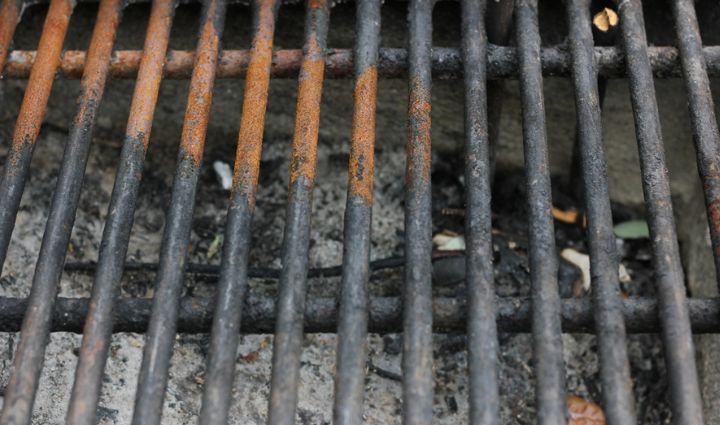
If your cast iron grill grates have started to rust, you might think they’re beyond saving. But before you toss them out or buy new ones, there’s good news: you can bring those grates back to life.
Imagine firing up your grill with perfectly restored cast iron, ready to cook your favorite meals with that unbeatable flavor and even heat. You’ll discover simple, step-by-step methods to remove rust and restore your grates to their former glory. Keep reading, and you’ll learn how easy it is to save your grill and enjoy backyard barbecues like never before.

Credit: www.youtube.com
Tools And Materials Needed
Restoring rusty cast iron grill grates requires a few simple tools and materials. Having the right items makes the job easier and ensures better results. This section covers all essentials needed to bring your grill grates back to life.
Prepare these tools and materials before starting the cleaning process. Each item plays a role in removing rust and protecting the metal.
Wire Brush Or Steel Wool
A wire brush or steel wool scrubs away rust and old debris. Choose a brush with stiff bristles for tough rust. Steel wool works well for finer, detailed cleaning.
White Vinegar Or Rust Remover
White vinegar helps dissolve rust naturally. You can also use a commercial rust remover for faster results. Both options break down rust particles effectively.
Dish Soap And Warm Water
Dish soap and warm water clean away dirt and grease after rust removal. This step prepares the surface for seasoning. Use a sponge or cloth for gentle washing.
Sandpaper
Sandpaper smooths rough spots after rust cleaning. Medium to fine grit works best. It helps create an even surface for seasoning.
Cooking Oil Or Cast Iron Conditioner
Cooking oil or a specialized cast iron conditioner protects the grates. It prevents new rust from forming. Apply thin, even layers for best results.
Protective Gloves And Safety Glasses
Wear gloves and safety glasses to protect your hands and eyes. Rust removal can cause small particles to fly. Safety gear keeps you safe during the process.
Credit: www.madelyncovey.com
Safety Precautions
Restoring rusty cast iron grill grates requires care to keep yourself safe. Rust removal often uses chemicals, scrubbing tools, and heat. Each step has risks that need attention to avoid injury or damage.
Before starting, prepare your workspace. Work in a well-ventilated area to avoid breathing in dust or fumes. Protect your hands and eyes from sharp edges and cleaning agents. These precautions help you restore your grill safely and effectively.
Wear Protective Gear
- Use gloves to protect skin from rust and chemicals.
- Wear safety goggles to shield eyes from debris and splashes.
- Consider a mask to avoid inhaling dust or chemical fumes.
Choose A Safe Workspace
- Work outdoors or in a well-ventilated garage.
- Keep the area clear of flammable materials.
- Ensure good lighting to see rust and damage clearly.
Handle Tools Carefully
- Use wire brushes and scrapers gently to avoid injury.
- Keep tools in good condition to prevent accidents.
- Follow manufacturer instructions for power tools or chemical cleaners.
Dispose Of Rust And Chemicals Properly
- Collect rust particles and used cleaning materials safely.
- Do not pour chemicals down drains or into soil.
- Follow local rules for hazardous waste disposal.
Initial Cleaning Process
The initial cleaning process is vital to restore rusty cast iron grill grates. It prepares the surface for deep cleaning and seasoning. Removing loose rust and washing the grates helps protect the metal and improve cooking safety. A clean surface also ensures the seasoning sticks better.
Removing Loose Rust
Start by scrubbing the grates with a wire brush or steel wool. This removes flaky and loose rust from the surface. Use firm pressure to clear all rusty spots. Avoid harsh tools that may scratch the metal deeply. Wipe away the dust and rust particles with a dry cloth or paper towel.
Washing With Soap And Water
Next, wash the grates with warm water and mild dish soap. Use a sponge or brush to clean every area thoroughly. Soap helps remove grease and dirt stuck under the rust. Rinse the grates well to remove all soap residue. Dry them completely with a towel to prevent new rust from forming.
Deep Rust Removal
Deep rust can make your cast iron grill grates look ruined, but it doesn’t have to stay that way. Removing heavy rust requires more than just scrubbing—it calls for techniques that break down the corrosion effectively without damaging the metal underneath. Let’s focus on practical ways to tackle stubborn rust and bring your grates back to life.
Using Vinegar And Baking Soda
Vinegar is acidic and great at loosening rust. To use it, soak your rusty grill grates in a mixture of equal parts white vinegar and water for a few hours. You’ll notice the rust starting to bubble and soften.
After soaking, sprinkle baking soda over the grates. This neutralizes the vinegar and acts as a gentle abrasive. Use a stiff brush or steel wool to scrub away the loosened rust. Rinse thoroughly with water and dry immediately to prevent new rust from forming.
Have you ever noticed how this simple kitchen combo can work wonders on metal? It’s a cost-effective, easy method that many overlook.
Applying A Rust Remover
For tougher rust, specialized rust removers offer a powerful alternative. These products contain chemicals designed specifically to dissolve rust quickly and safely.
Follow the instructions on the label carefully. Usually, you apply the remover to the rusty areas, wait the recommended time, then scrub and rinse. Always wear gloves and work in a ventilated space for safety.
Using a rust remover can save you time and effort. Have you considered how much easier it is to restore your grill grates with a product made for the job? It’s worth trying if the vinegar method doesn’t fully clear the rust.
Sanding And Smoothing
Sanding and smoothing are crucial steps in restoring rusty cast iron grill grates. Removing rust thoroughly ensures a clean surface that will hold seasoning better and prevent future rust. Proper sanding also smooths out rough patches, making your grill grates safer and more enjoyable to use.
Choosing The Right Sandpaper
Selecting the right sandpaper grit matters a lot. Start with a coarse grit like 80 or 100 to tackle heavy rust and rough spots quickly. Using sandpaper that’s too fine initially will waste your effort and time.
After the initial sanding, switch to a medium grit such as 150 or 220 to smooth the surface further. This step removes scratches left by the coarse paper and preps the metal for seasoning. Avoid skipping this; a smooth surface makes a big difference in the grill’s performance.
If you want an ultra-smooth finish, finish with fine grit sandpaper around 320. But be careful not to remove too much metal—cast iron is durable but not limitless. How smooth do you want your grill grates? That answer will guide your grit choices.
Techniques For Effective Sanding
Use a consistent, circular motion when sanding to avoid uneven patches. Press firmly but don’t overdo it; aggressive sanding can gouge the metal. Let the sandpaper do the work rather than your strength.
Keep checking your progress frequently by wiping away dust and inspecting the surface. Rust can hide in crevices, so don’t rush past corners and edges. A small wire brush or steel wool can help in tight spots before sanding.
If you have an electric sander, use it on a low speed to maintain control. Hand sanding gives better precision but is more tiring. Which method feels right for your level of patience and tools available?

Credit: www.reddit.com
Seasoning The Grates
Seasoning the grates is a key step in restoring rusty cast iron grill grates. This process creates a natural, non-stick coating that protects the metal from rust and enhances cooking. Proper seasoning helps maintain the grates and improves their performance over time.
Applying the right oil and heating the grates correctly are essential to achieve a strong, even seasoning layer.
Selecting The Right Oil
Choose an oil with a high smoke point for effective seasoning. Oils like vegetable oil, flaxseed oil, or canola oil work well. Avoid using butter or olive oil because they burn at lower temperatures and can leave sticky residue. Use just enough oil to coat the entire surface of the grates thinly. Too much oil can cause uneven seasoning and sticky patches.
Heating Process For Seasoning
Preheat your oven or grill to around 450-500°F (230-260°C). Place the oiled grates upside down on the oven rack. Put a baking sheet or foil on the lower rack to catch drips. Heat the grates for about one hour. This allows the oil to bond and form a hard, protective layer. After heating, turn off the heat and let the grates cool inside the oven. Repeat the process 2-3 times for a stronger seasoning coat.
Maintaining The Grates
Maintaining your cast iron grill grates keeps them in top shape for many seasons. Proper care prevents rust from coming back and preserves the natural non-stick surface. Regular attention saves time and effort later. Simple daily habits protect your investment and improve cooking results.
Regular Cleaning Tips
Clean the grates after every use while still warm. Use a grill brush with stiff bristles to remove food bits. Avoid soap; it can strip the seasoning layer. Instead, scrub with hot water and a nylon brush or a sponge. Dry the grates thoroughly with a towel to stop moisture buildup. Apply a thin layer of vegetable oil to keep the surface smooth and rust-free.
Preventing Future Rust
Store the grill in a dry place or cover it with a waterproof grill cover. Avoid leaving water or wet debris on the grates. Season the grates regularly by applying oil and heating them. This creates a protective barrier against moisture. Check for rust spots often and treat them right away. Quick care stops rust before it spreads and weakens the metal.
Common Mistakes To Avoid
Restoring rusty cast iron grill grates can be satisfying, but it’s easy to make mistakes that set you back. Avoiding common errors saves time and frustration while protecting your grill’s lifespan. Let’s look at some pitfalls you should watch out for during the restoration process.
Using Harsh Chemicals That Damage The Cast Iron
Some people reach for strong chemical rust removers expecting quick results. Harsh chemicals can strip away the seasoning layer and even pit the metal, causing long-term damage.
Instead, try gentle scrubbing with steel wool and natural solutions like vinegar or baking soda. Your grates will come clean without compromising their integrity.
Skipping The Drying Step Thoroughly
After cleaning, many overlook drying the grates completely. Any moisture left behind invites new rust to form almost immediately.
Make sure to dry your grates fully, using a towel and then heating them briefly on the grill to evaporate all residual water.
Not Reapplying Seasoning Properly
Restoring rust is only half the job. Failing to re-season your grates leaves them vulnerable to rust returning quickly.
After cleaning, apply a thin layer of cooking oil and heat the grates to create a protective coating. This step locks in durability and improves cooking performance.
Using Abrasive Tools That Scratch The Surface
It’s tempting to use wire brushes or metal scrapers aggressively, but these can scratch and damage the cast iron. Deep scratches become rust traps and weaken the metal.
Choose non-abrasive scrubbers or fine steel wool to gently remove rust without harming the surface.
Neglecting Regular Maintenance After Restoration
Restoration is not a one-time fix. Ignoring routine care like cleaning after each use and occasional seasoning invites rust back sooner than you expect.
Ask yourself: how often do you clean and oil your grill? Small, consistent habits protect your investment and keep grilling enjoyable.
Frequently Asked Questions
How Do I Remove Rust From Cast Iron Grill Grates?
Use a wire brush or steel wool to scrub off rust. Then soak grates in vinegar for a few hours. Rinse and dry thoroughly before seasoning to prevent further rusting.
Can I Restore Heavily Rusted Cast Iron Grates?
Yes, but it requires extra effort. Use vinegar soak, abrasive scrubbing, and possibly a rust remover. After cleaning, re-season the grates to restore their protective coating.
What Is The Best Seasoning Method For Grill Grates?
Apply a thin layer of vegetable oil or flaxseed oil. Heat the grates in an oven at 350°F (175°C) for one hour. Let them cool and repeat if needed to build a non-stick surface.
How Often Should I Clean And Season Cast Iron Grates?
Clean grates after every use to remove food and grease. Season them once a month or after deep cleaning to maintain rust protection and non-stick properties.
Conclusion
Restoring rusty cast iron grill grates takes time and care. Start with cleaning and scrubbing to remove all rust. Apply oil to protect the metal and keep it smooth. Regular maintenance stops rust from coming back. Grill often for better seasoning and flavor.
Your grill will last longer and cook food better. Simple steps can save your grill and improve your BBQ experience. Keep your grill ready for the next cookout. Rust doesn’t have to mean the end. Take action and enjoy great grilling again.
