
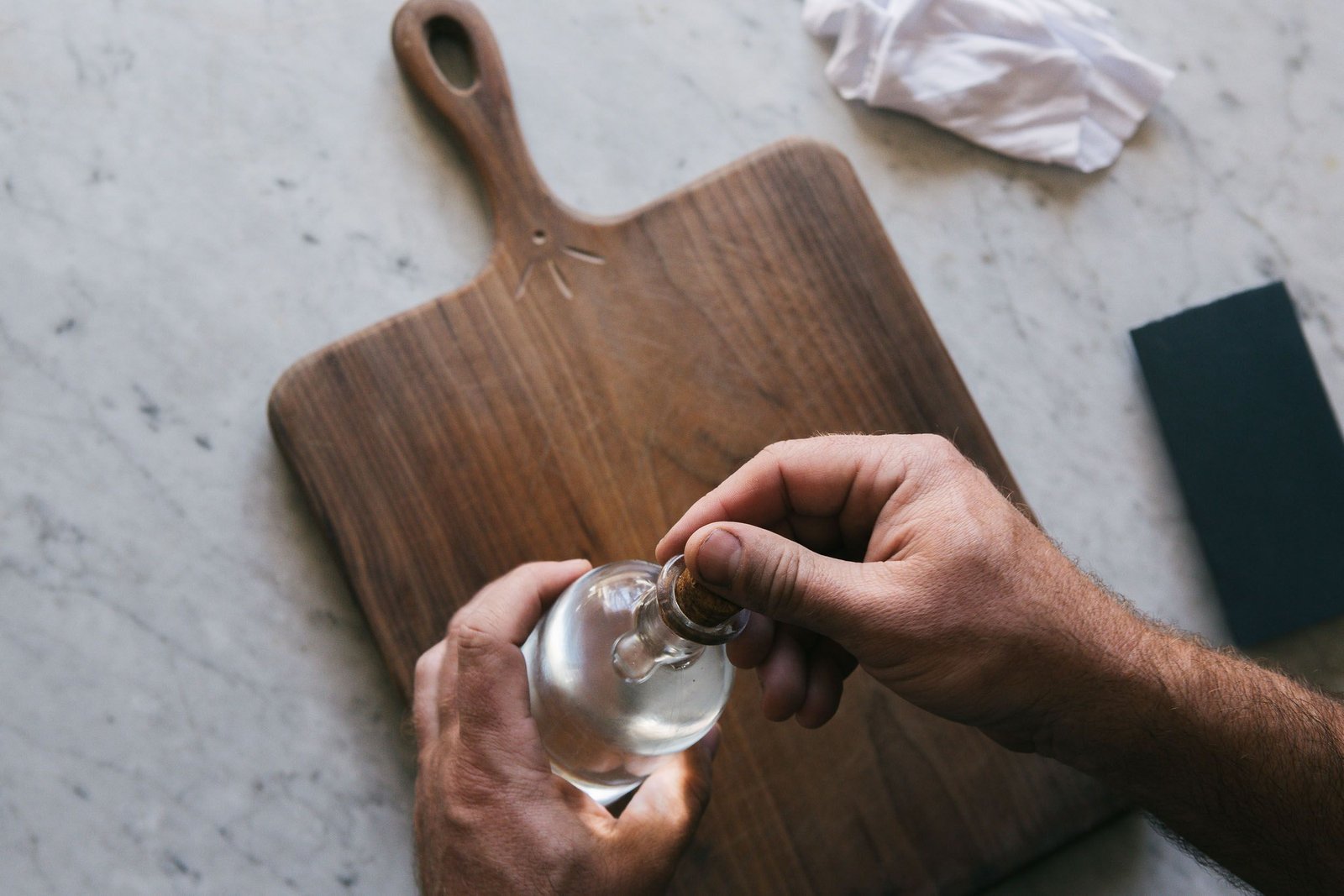
Your wooden prep table top is more than just a surface—it’s where you create meals, gather memories, and bring your kitchen to life. But over time, daily use can leave it dry, stained, or worn out.
Knowing how to oil your wooden prep table top properly can bring back its natural beauty and protect it for years to come. You’ll discover simple, effective steps that anyone can follow to keep your table looking fresh and strong.
Ready to give your kitchen the care it deserves? Let’s dive in.

Credit: www.reddit.com
Choosing The Right Oil
Choosing the right oil for your wooden prep table top is key to keeping it strong and looking great. The oil you pick protects the wood from stains, moisture, and wear. It also brings out the natural color and texture of the wood. Selecting an oil that suits your table and kitchen use ensures long-lasting care.
Types Of Oils For Wood
Several oils work well on wooden prep tables. Each type has unique features and uses.
- Mineral Oil:Food-safe and easy to apply. Dries quickly and is clear.
- Tung Oil:Penetrates deeply and hardens for strong protection.
- Linseed Oil:Natural and popular, but takes longer to dry.
- Walnut Oil:Safe for food surfaces and enhances wood grain.
- Teak Oil:Mix of oils and varnishes, good for outdoor use.
Benefits Of Natural Vs. Synthetic Oils
Natural oils come from plants or seeds. They soak into the wood and keep it healthy. These oils often smell nice and are safe for food prep surfaces.
Synthetic oils are man-made and designed for durability. They create a harder surface finish and resist water better. Some synthetic oils may contain chemicals not ideal for food contact.
Natural oils are easy to renew and maintain. Synthetic oils may last longer but can be harder to apply evenly. Choosing depends on how often you want to reapply and the level of protection you need.
Preparing The Table Surface
Preparing the table surface is essential for a smooth, long-lasting finish. This step makes sure the wood can absorb the oil evenly. It also removes dirt, old stains, and rough spots that can spoil the look. Taking time to prepare the surface helps protect the wood and improves the final result.
Cleaning And Sanding
Start by wiping the table with a damp cloth to remove dust and dirt. Use mild soap if the surface is greasy or sticky. Let the wood dry completely before sanding.
Sand the surface with fine-grit sandpaper. Sand along the wood grain to avoid scratches. Sanding smooths out rough patches and opens wood pores for better oil absorption. After sanding, wipe the dust off with a clean, dry cloth.
Removing Old Finishes
Old finishes like varnish or paint prevent oil from soaking into the wood. Use a chemical stripper or sandpaper to remove these layers. Follow product instructions carefully if using a chemical stripper.
Scrape off loosened finish gently with a plastic scraper. Avoid damaging the wood surface. After removing the old finish, sand the surface again to smooth any rough areas. Clean the table thoroughly before applying oil.
Applying The Oil
Applying oil to a wooden prep table top protects the wood and enhances its natural beauty. The oil seeps into the wood fibers, preventing dryness and cracking. This process also gives the surface a smooth, polished look that lasts longer. Proper application ensures even coverage and better absorption.
Tools And Materials Needed
- Food-safe mineral oil or butcher block oil
- Clean, lint-free cloths or soft rags
- Fine-grit sandpaper (optional, for rough surfaces)
- Disposable gloves (to protect your hands)
- Plastic or glass container for the oil
- Paper towels for cleanup
Step-by-step Application Process
Start with a clean and dry table top. If the surface feels rough, gently sand it with fine-grit sandpaper. Wipe off all dust with a dry cloth.
Pour a small amount of oil into the container. Dip a clean cloth into the oil and rub it into the wood using circular motions. Cover the entire surface evenly, paying close attention to edges and corners.
Let the oil soak into the wood for 15 to 20 minutes. If the wood absorbs the oil quickly, apply another thin layer. Avoid leaving excess oil on the surface to prevent stickiness.
After the oil has soaked in, wipe off any excess with a dry cloth. Allow the table top to dry completely before using it. For best results, repeat this process every few weeks or when the wood looks dry.

Credit: www.reddit.com
Drying And Curing
Drying and curing are crucial steps in oiling a wooden prep table top. Proper drying ensures the oil penetrates deeply. Curing strengthens the wood’s surface and protects it from damage. This process takes patience and attention to detail. Rushing can cause sticky or uneven finishes. Understanding the ideal conditions helps achieve a smooth, durable surface.
Optimal Drying Conditions
Choose a well-ventilated space with low humidity. Aim for a temperature between 65°F and 75°F (18°C to 24°C). Avoid direct sunlight to prevent uneven drying. Keep the table away from drafts or heaters. These can cause the oil to dry too fast, leading to cracks.
Ensure air flows gently around the table. This helps moisture escape and speeds up drying. Use a fan set on low if needed. Do not let dust settle on the surface during drying. Dust can stick to the oil and ruin the finish.
Timing Between Coats
Wait at least 8 to 12 hours before applying the next coat. This allows the first layer to dry enough for the next to adhere. For best results, test the surface by touching it lightly. If it feels tacky or soft, wait longer.
Apply multiple thin coats rather than one thick layer. Thin coats dry faster and cure more evenly. Usually, 2 to 3 coats provide good protection and appearance. Let the final coat cure for 24 to 48 hours before heavy use.
Maintaining The Shine
Maintaining the shine of your wooden prep table top is key to preserving its natural beauty and durability. A well-oiled surface not only looks inviting but also resists stains and scratches better. Taking a little time regularly to care for your table keeps it looking fresh and extends its lifespan.
Regular Cleaning Tips
Keep your prep table free from dust and grime by wiping it down daily with a soft, damp cloth. Avoid harsh chemicals that can strip the oil and dull the surface. Instead, use mild soap mixed with water for deeper cleaning, then dry immediately.
Have you noticed how small crumbs or spills can sneak into the wood grain? Cleaning these promptly prevents buildup that dulls the shine. A gentle scrub with a soft brush can remove stubborn spots without damaging the wood.
When To Reapply Oil
Watch for signs that your table needs more oil: the surface looks dry, feels rough, or water no longer beads up. These are clear indicators that the protective layer is wearing thin. Usually, reapplying oil every 3 to 6 months works well, but your environment and usage might require adjustments.
Don’t wait for cracks or stains to appear before acting. A quick oil application restores moisture and shine, keeping the wood healthy. If you’re unsure, test a small area—if the oil absorbs quickly, it’s time to treat the whole surface again.
Common Mistakes To Avoid
Oiling a wooden prep table top seems simple, but many people make mistakes that can damage the wood or reduce its lifespan. Avoiding these common pitfalls helps keep your table looking great and performing well. Let’s look at the key errors you should watch out for to protect your investment.
Over-oiling Issues
Applying too much oil can cause sticky, uneven surfaces. Excess oil doesn’t soak in properly and leaves a tacky film that attracts dirt and dust.
One time, I left my prep table oily for days, thinking it would absorb more. Instead, it stayed sticky and required sanding to fix. You don’t want to repeat that.
- Apply a thin, even coat of oil and wipe off excess immediately.
- Let the oil soak in fully before deciding to add more.
- Check the table after a few hours—if it still feels sticky, you’ve overdone it.
Using The Wrong Products
Not all oils are safe or effective for wooden prep tables. Some oils can leave harmful residues or fail to protect the wood properly.
Choosing the wrong product can ruin your table’s finish or even affect food safety if you use it for cooking prep. Avoid oils with synthetic additives or harsh chemicals.
- Use food-safe mineral oil or specialized cutting board oils.
- Steer clear of vegetable oils like olive or coconut oil—they can go rancid and smell bad.
- Always read product labels to ensure compatibility with food surfaces.
Have you checked the oil you’re using lately? A quick label scan can save you from costly mistakes and keep your prep table in top shape.

Credit: food52.com
Frequently Asked Questions
How Often Should I Oil A Wooden Prep Table Top?
Oiling your wooden prep table top every 1 to 3 months keeps it protected and hydrated. Frequency depends on usage and environment. Regular oiling prevents drying, cracking, and extends the wood’s lifespan.
What Type Of Oil Is Best For Wooden Prep Tables?
Food-safe mineral oil is ideal for wooden prep tables. It’s non-toxic, odorless, and easy to apply. Avoid vegetable or cooking oils as they can turn rancid and damage the wood.
Can I Use Any Oil To Treat My Wooden Table Top?
No, only use oils safe for food contact like mineral or specialized cutting board oils. Avoid vegetable, olive, or coconut oils as they spoil and cause sticky residue.
How Do I Prepare The Wooden Table Before Oiling?
Clean the surface with mild soap and warm water, then dry completely. Sand lightly if the wood feels rough or stained. This ensures better oil absorption and a smooth finish.
Conclusion
Oiling your wooden prep table top is essential. It keeps the surface smooth and durable. Regular oiling enhances the wood’s natural beauty. Use food-safe oil for the best results. Apply the oil evenly with a clean cloth. Let it absorb, then wipe off excess.
This routine protects against stains and scratches. A well-oiled table top lasts longer and looks great. Maintain this practice to enjoy a beautiful kitchen space. Your table will thank you. Keep it simple, and enjoy the benefits of a well-cared-for wooden surface.
