
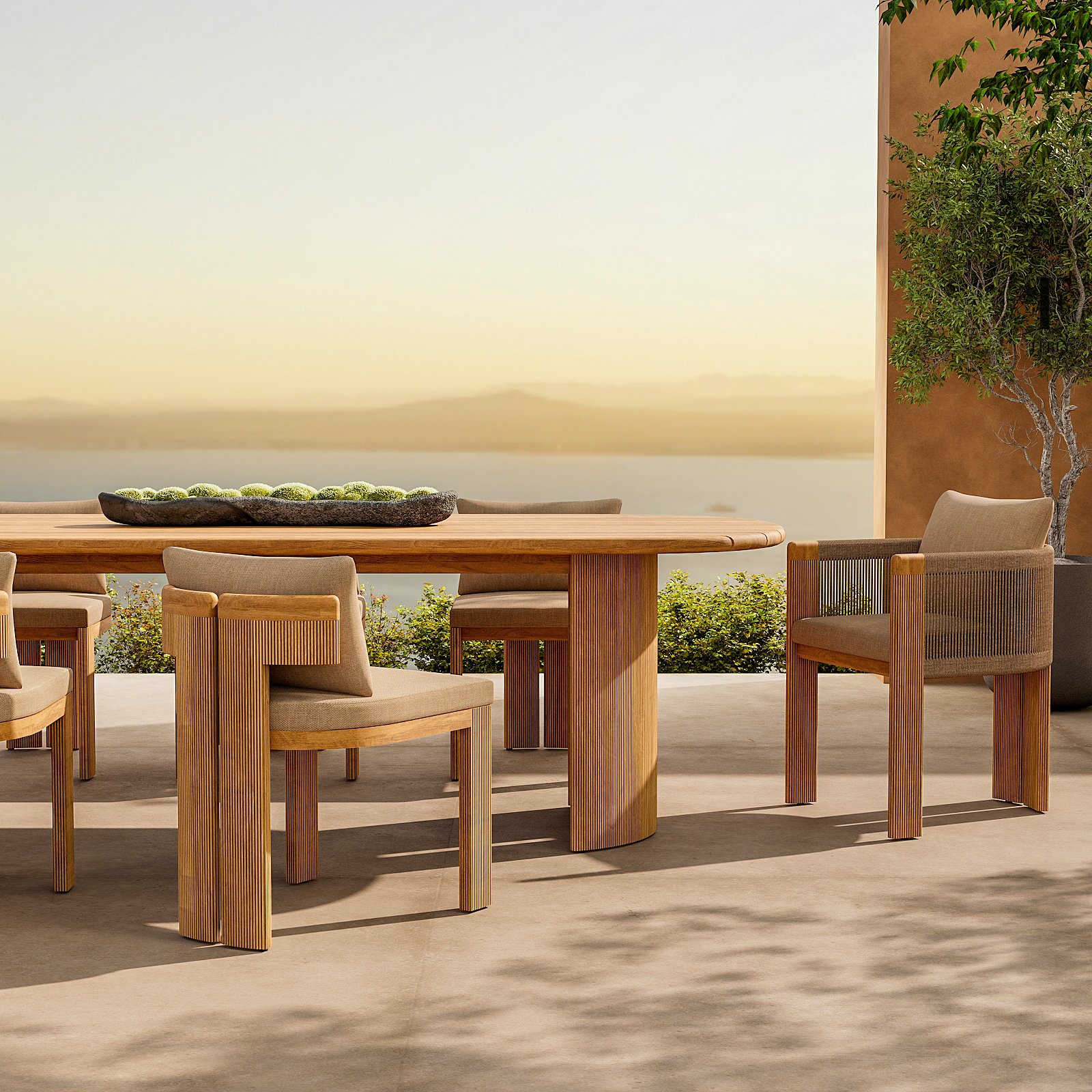
Your outdoor dining table is the heart of countless gatherings, meals, and memories. But dirt, dust, and weather can quickly take away its shine and comfort.
If you want your table to look fresh and inviting every time you use it, knowing how to clean it properly is key. You’ll discover simple, effective steps to restore your outdoor dining table’s beauty—making your next meal outside more enjoyable than ever.
Keep reading to learn how easy it is to bring your table back to life.

Credit: www.schots.com.au
Choose The Right Cleaning Supplies
Choosing the right cleaning supplies is key to keeping your outdoor dining table in top shape. Different materials need different cleaners to avoid damage and maintain beauty. Using the wrong product can cause discoloration or wear. Proper tools make the cleaning easier and more effective. Preparing the right supplies saves time and effort.
Best Cleaners For Different Materials
- Wood:Use mild soap and water or a wood cleaner. Avoid harsh chemicals.
- Metal:A mixture of water and vinegar works well. Use a metal cleaner for tough stains.
- Glass:Use a glass cleaner or a mix of water and vinegar for a streak-free shine.
- Plastic:Mild dish soap and warm water clean plastic without damage.
- Stone:Use pH-neutral cleaners to protect the surface from etching.
Essential Tools To Have
- Soft-bristle brush for scrubbing without scratching
- Microfiber cloths for wiping and drying
- Bucket for mixing cleaning solutions
- Sponge for gentle cleaning on delicate surfaces
- Garden hose or spray bottle to rinse off dirt
- Protective gloves to keep hands safe from chemicals
Prepare The Table For Cleaning
Preparing your outdoor dining table for cleaning sets the stage for a thorough and effective wash. This step ensures no dirt or damage goes unnoticed. Taking time here saves effort later and keeps your table in great shape.
Remove Loose Debris
Start by clearing the table of loose dirt, leaves, and crumbs. Use a soft brush or a cloth to sweep away these particles. This prevents scratching the surface during cleaning. Check under the table and between slats too. Removing debris makes the cleaning process smoother and more efficient.
Check For Damage
Look over the table carefully for cracks, chips, or rust spots. Notice any loose screws or wobbly legs. These issues can get worse if left untreated. Fix small problems before cleaning to avoid further damage. This step helps protect your table and extends its life.
Step-by-step Cleaning Process
Cleaning your outdoor dining table doesn’t have to be a daunting task. With the right approach, you can bring back its sparkle and keep it looking fresh for every meal outside. Here’s a straightforward process to follow that covers all the bases, from basic washing to tackling those tough spots.
Washing With Soap And Water
Start by clearing the table of any debris like leaves or crumbs. Mix a mild dish soap with warm water in a bucket to create a gentle cleaning solution. Use a soft cloth or sponge to scrub the surface, working in circular motions to lift dirt without damaging the finish.
Pay attention to crevices and corners where grime tends to build up. If your table is made of wood, avoid soaking it—excess water can cause damage. Instead, wring out your cloth well before wiping.
Dealing With Stubborn Stains
Not all stains come off with soap and water alone. For tougher marks like grease, wine, or food spills, try a paste made from baking soda and water. Apply it gently with a soft brush, and let it sit for a few minutes to break down the stain.
If the stain persists, white vinegar can be an effective natural cleaner. Spray it lightly on the area and wipe with a clean cloth. Always test any stain remover on a small hidden spot first to avoid discoloration.
Rinsing And Drying Properly
After cleaning, rinse the table thoroughly with clean water to remove any soap or cleaning residues. Leftover soap can attract dirt quickly, making your efforts less effective. Use a hose with a gentle spray or a bucket of water and a clean cloth for rinsing.
Dry the table completely using a soft towel or let it air dry in the shade to prevent water spots. Avoid placing anything on the table until it’s fully dry to maintain its clean look. How often do you check your outdoor table for hidden grime that might dull its appearance?

Credit: liveouter.com
Special Care For Common Table Materials
Outdoor dining tables come in many materials. Each one needs special care to keep it looking great. Cleaning methods vary by material type. Proper care extends your table’s life.
Below are tips for the most common table materials.
Wooden Tables
Wood needs gentle cleaning to avoid damage. Use a soft cloth and mild soap mixed with water. Avoid soaking the wood. Wipe the table dry with a clean cloth after washing.
Apply wood oil or sealant once a year. This protects against weather and keeps wood smooth. Avoid harsh chemicals that strip natural oils.
Metal Tables
Metal tables resist stains but can rust. Use warm water and mild soap for cleaning. Rinse thoroughly and dry to prevent water spots.
Check for rust spots regularly. Use a rust remover or fine sandpaper to treat affected areas. Apply a rust-resistant spray or paint to protect the metal.
Glass Tables
Glass tables need streak-free cleaning. Use a glass cleaner or a mix of vinegar and water. Spray lightly and wipe with a soft cloth or paper towel.
Avoid abrasive pads or harsh cleaners that can scratch glass. Clean spills quickly to prevent stains or marks.
Plastic And Resin Tables
Plastic and resin tables are low maintenance. Clean with mild soap and water using a soft sponge. Rinse well and dry with a towel.
For stubborn stains, use a paste of baking soda and water. Scrub gently to avoid surface damage. Avoid abrasive cleaners that can dull the finish.
Preventive Tips To Maintain Sparkle
Keeping your outdoor dining table sparkling needs simple care. Regular upkeep stops dirt buildup and damage. Small efforts save time and money later.
Regular Cleaning Schedule
Set a cleaning routine for your table. Wipe down the surface with a soft cloth weekly. Use mild soap and water to remove dirt gently.
Clear debris like leaves and dust daily. Prevent stains by cleaning spills immediately. Rinse the table well after washing to avoid soap marks.
Protective Covers And Treatments
Use protective covers to shield your table from weather. Covers keep rain, sun, and dust off your furniture. Choose covers that fit well and are waterproof.
Apply treatments suitable for your table’s material. Wood needs sealants or oils to prevent drying and cracking. Metal tables benefit from rust-resistant sprays.
Reapply treatments every few months for lasting protection. Store covers in a dry place when not in use.
Troubleshooting Common Issues
Outdoor dining tables face common issues like mold, mildew, scratches, and discoloration. These problems can make your table look old and worn out. Quick care can keep your table fresh and inviting for every meal. Understanding how to handle these issues helps maintain your table’s beauty and extends its life.
Removing Mold And Mildew
Mold and mildew grow in damp, shaded areas on your table. They appear as dark spots or fuzzy patches. Clean these areas gently to avoid damage.
- Mix equal parts of water and white vinegar in a spray bottle.
- Spray the affected area and let it sit for 10 minutes.
- Use a soft brush or cloth to scrub away the mold.
- Rinse with clean water and dry thoroughly with a towel.
Repeat if needed. Avoid harsh chemicals that can harm the table surface.
Fixing Scratches And Discoloration
Scratches and discoloration happen from sun, weather, and use. Small scratches can be less visible with simple fixes.
- For wooden tables, apply a mixture of olive oil and lemon juice. Rub it gently into scratches using a soft cloth.
- Plastic or metal tables may need a touch-up with a matching paint or marker.
- Discolored spots can be cleaned with a baking soda paste (baking soda and water). Apply, let sit for a few minutes, then wipe off.
Regular cleaning and covering your table help prevent these issues.

Credit: www.vonhaus.com
Frequently Asked Questions
How Often Should I Clean My Outdoor Dining Table?
Clean your outdoor dining table weekly to prevent dirt buildup. Regular cleaning extends the table’s life and maintains its appearance. Use gentle soap and water for routine cleaning. For tougher stains, use appropriate cleaners based on the table material.
What Is The Best Cleaner For Outdoor Tables?
Mild dish soap mixed with warm water is ideal for most outdoor tables. Avoid harsh chemicals that may damage finishes. For wooden tables, use wood-specific cleaners. For metal or glass, use non-abrasive cleaners to preserve the surface.
Can I Use A Pressure Washer To Clean My Table?
Yes, but use a low-pressure setting to avoid damage. Keep the nozzle at least 12 inches away. Pressure washers work well on plastic and metal tables but can harm wood surfaces. Always test on a small area first.
How Do I Remove Stubborn Stains From Outdoor Tables?
Use a paste of baking soda and water for gentle scrubbing. For mildew, apply a mixture of vinegar and water. Avoid abrasive tools that can scratch surfaces. Rinse thoroughly after cleaning to remove residue.
Conclusion
Keeping your outdoor dining table clean enhances its look and lifespan. Regular maintenance prevents dirt buildup and extends its use. Use mild soap and water for gentle cleaning. Avoid harsh chemicals that might damage the surface. Always dry your table after cleaning to prevent moisture damage.
Covering the table when not in use helps protect it from weather elements. With these simple steps, your table will remain inviting for meals and gatherings. A clean table creates a welcoming outdoor space. Enjoy more pleasant moments outside with a fresh and tidy setup.
