
Are you wondering how to keep your wine fresh and tasty when storing it outside? Storing wine in an outdoor fridge might seem tricky, but with the right tips, you can protect your bottles from heat, sunlight, and temperature swings.
Imagine opening a perfectly chilled bottle every time you want to unwind or impress your guests. You’ll discover simple, effective ways to store your wine outdoors without risking its flavor or quality. Keep reading, and you’ll learn how to turn your outdoor fridge into the ideal wine keeper.
Credit: www.amazon.nl
Choosing The Right Outdoor Fridge
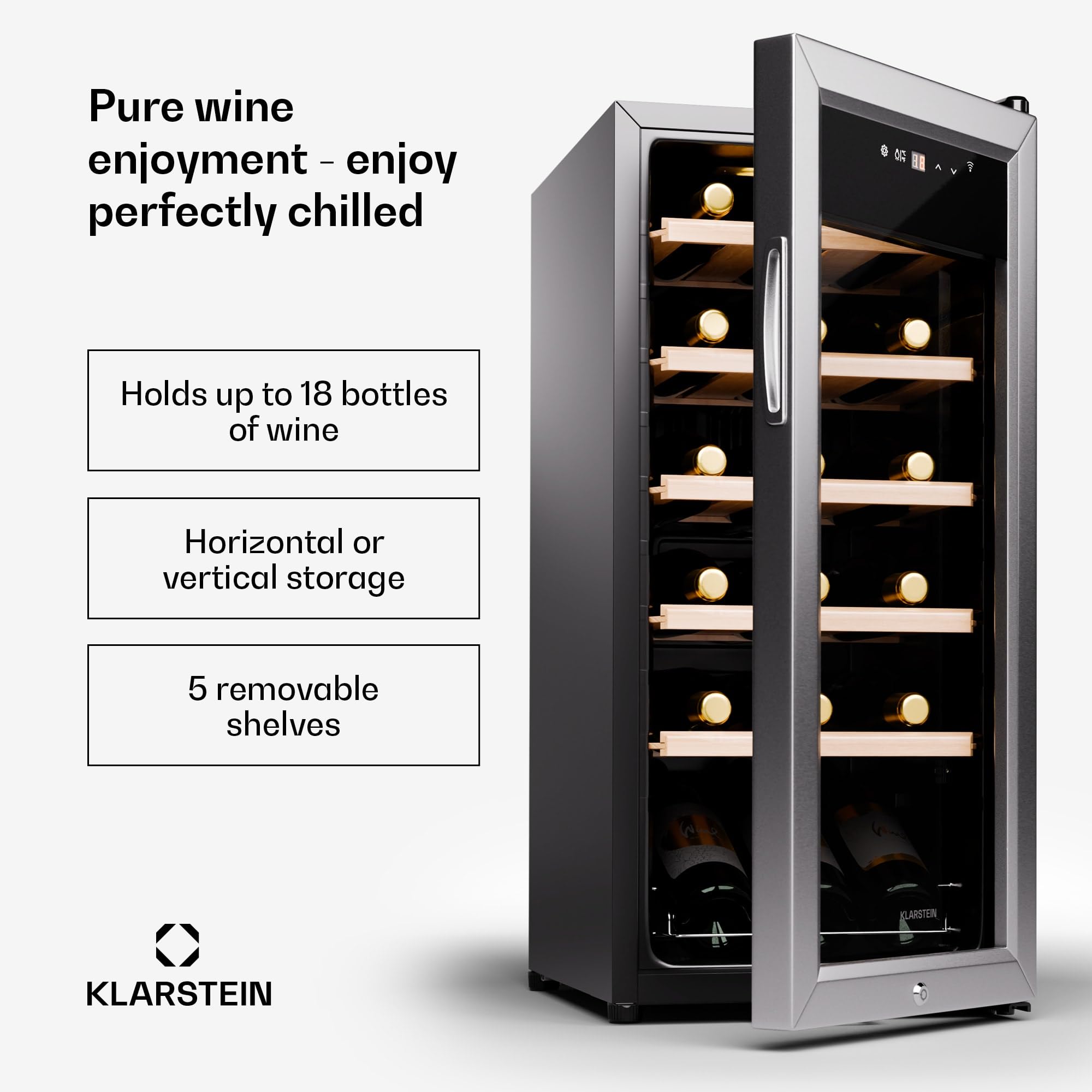
Choosing the right outdoor fridge is essential for proper wine storage. The right fridge keeps wine at the right temperature and humidity. It also fits your space and bottle collection. Picking a fridge with the right features protects your wine and enhances flavor over time.
Temperature Control Features
Temperature control is key for storing wine outdoors. Look for fridges with adjustable thermostats. A stable temperature between 45°F and 65°F suits most wines. Some models have dual zones for red and white wines. Cooling systems should maintain temperature even in hot weather. Digital displays make it easy to monitor settings.
Humidity Management
Humidity helps keep corks moist and wine fresh. Ideal humidity ranges from 50% to 70%. Check if the fridge has built-in humidifiers or moisture control. Too dry air can dry corks and spoil wine. Too much humidity can cause mold inside the fridge. Ventilation features help balance moisture levels.
Size And Capacity Considerations
Choose a fridge size based on your wine collection size. Count how many bottles you want to store comfortably. Consider the fridge’s shelf design and flexibility. Adjustable shelves help fit bottles of different shapes and sizes. Also, think about the fridge’s footprint in your outdoor space. A compact fridge saves space but may hold fewer bottles.
Preparing Your Wine For Storage
Preparing your wine for storage in an outdoor fridge takes careful steps. Proper preparation helps maintain flavor and quality over time. Pay attention to the type of wine, sealing, and labeling. Avoid mistakes that might spoil your bottles.
Selecting Bottles For Aging
Choose wines that improve with age. Red wines like Cabernet Sauvignon or Merlot often age well. Some white wines, such as Chardonnay, also benefit from aging. Avoid delicate wines meant to be drunk young. Check for a cork seal, as screw caps usually don’t age well.
Sealing And Labeling Tips
Ensure each bottle is sealed tightly. A damaged cork can let air in and spoil the wine. Use wax seals or shrink capsules for extra protection. Label each bottle clearly with the vintage year and type. Write storage start dates to track aging progress.
Avoiding Common Storage Mistakes
- Do not store wine in direct sunlight or near heat sources.
- Avoid frequent temperature changes inside the fridge.
- Keep bottles lying on their side to keep corks moist.
- Never stack bottles too tightly; allow air circulation.
- Do not store open bottles in the outdoor fridge.
Optimal Placement In The Fridge
Placing your wine bottles correctly inside an outdoor fridge can make a big difference in how well they age and taste. The right spot protects your wine from damage and keeps it at the best temperature. Let’s look at how to position your bottles for optimal storage.
Arranging Bottles Horizontally
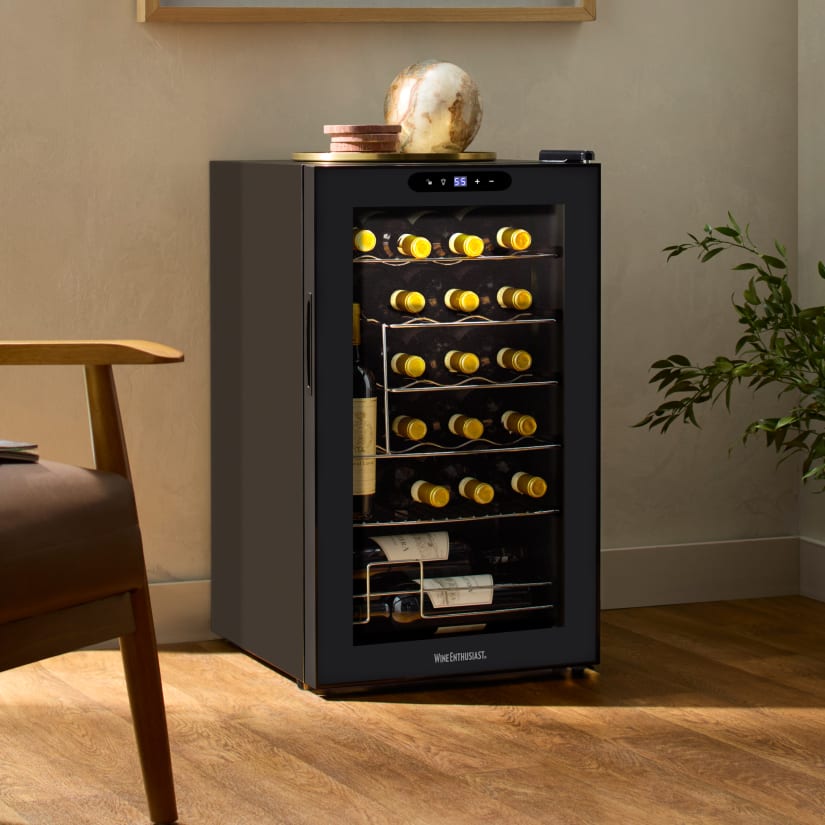
Keeping wine bottles on their sides is key. This keeps the cork moist, preventing it from drying out and letting air in. If air sneaks in, the wine can spoil quickly.
Lay your bottles horizontally, especially if they have natural corks. This simple step can extend the life of your wine and improve its flavor. Have you checked if your fridge shelves support this position comfortably?
Avoiding Vibration And Light Exposure
Vibrations disturb the sediment in wine, affecting its taste and aging process. Outdoor fridges near compressors or busy areas may cause shaking. Try placing your fridge on a stable surface away from heavy foot traffic.
Light, especially sunlight or fluorescent bulbs, can damage wine by speeding up chemical reactions inside the bottle. Position your fridge in a shaded spot or use curtains to block direct sunlight. Does your fridge have a tinted glass door or internal lighting you can control?
Using Shelves And Dividers Effectively
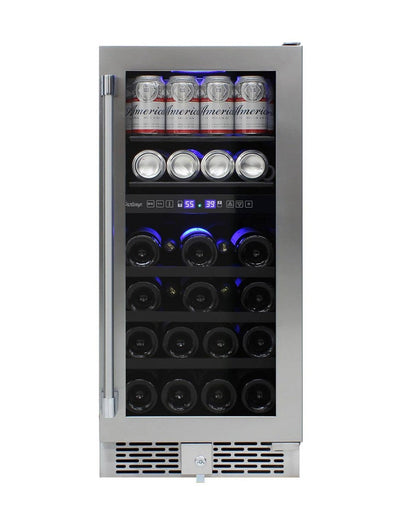
Organizing shelves and dividers inside your fridge helps prevent bottles from rolling or bumping into each other. Use adjustable shelves to fit bottles of different sizes snugly. This avoids unnecessary movement and damage.
Adding dividers or racks creates individual spots for each bottle, making it easier to find what you want. It also improves airflow around the bottles, keeping the temperature consistent. How could better organization reduce the chance of accidental spills or broken bottles in your fridge?
Credit: vinotemp.com
Maintaining Ideal Conditions
Maintaining ideal conditions in your outdoor wine fridge is essential to preserve the quality and flavor of your wine. Small changes in temperature or humidity can affect how your wine ages and tastes. Paying close attention to these factors ensures your collection stays in top shape.
Monitoring Temperature Consistently
Keep a reliable thermometer inside your outdoor fridge to track temperature changes. Wine likes a steady environment, ideally between 45°F and 65°F (7°C to 18°C). Sudden spikes or drops can spoil the wine, so check the readings daily or use a digital monitor with alerts.
Think about how often you open the fridge door. Each time you do, warm air enters and shifts the temperature. Minimizing door openings helps keep the internal climate stable and protects your bottles.
Controlling Humidity Levels
Humidity plays a key role in keeping corks moist and preventing them from drying out. Aim for a humidity range of 50% to 70%. Too low, and corks shrink, letting air in; too high, and mold can develop.
Using a small hygrometer inside the fridge lets you watch humidity levels. If it’s too dry, place a shallow container of water to add moisture. If too damp, consider a moisture absorber designed for wine storage.
Regular Cleaning And Maintenance
Keep your outdoor fridge clean to avoid odors or mold that could taint your wine. Wipe shelves and walls with a mild soap solution every few months. Make sure to dry thoroughly to prevent moisture buildup.
Check door seals regularly to ensure they close tightly and keep the cold air in. Faulty seals cause temperature fluctuations and energy waste. Have you noticed any unusual smells or condensation inside your fridge? These signs mean it’s time to clean or service your unit.
Troubleshooting Storage Issues
Storing wine in an outdoor fridge comes with challenges. These issues can affect wine quality and fridge performance. Recognizing and fixing problems quickly helps keep your wine safe and tasty. Troubleshooting common storage issues ensures a smooth experience.
Handling Temperature Fluctuations
Wine needs stable temperatures to stay fresh. Outdoor fridges face temperature swings from weather changes. Sudden heat or cold shocks can damage wine.
- Check the fridge thermostat regularly to keep it steady.
- Use a fridge with good insulation to reduce external temperature impact.
- Place the fridge away from direct sunlight or strong winds.
- Consider a temperature monitor for alerts on big changes.
Small, frequent temperature shifts harm wine more than steady cold. Keep the fridge running smoothly to avoid this.
Dealing With Odors And Contaminants
Odors from outside can enter an outdoor fridge. This affects wine aroma and taste. Contaminants like dust or insects also pose risks.
- Keep the fridge door closed tightly to block smells and bugs.
- Clean the fridge interior often with mild soap and water.
- Store wine bottles in sealed bags or containers for extra protection.
- Use activated charcoal or baking soda inside to absorb bad smells.
Good hygiene and sealing help preserve wine’s natural flavors.
Addressing Mechanical Failures
Outdoor fridges can face mechanical problems due to weather and use. These include compressor issues, fan failures, or leaks.
- Inspect the fridge parts regularly for wear or damage.
- Keep the fridge clean to avoid dirt blocking vents or fans.
- Listen for unusual noises that indicate mechanical trouble.
- Contact a professional if repairs are needed to prevent further damage.
Early maintenance reduces the risk of costly breakdowns and wine spoilage.
Additional Tips For Perfect Aging
Storing wine in an outdoor fridge can help it age nicely with proper care. Perfect aging requires more than just the right temperature. It involves careful attention and some extra steps. These tips can help your wine develop rich flavors over time.
Tracking Aging Progress
Keep a simple record of your wine’s taste and smell every few months. Use a notebook or app to note changes. This helps you know when the wine reaches its best flavor. Look for smoothness in taste and balanced aromas. Avoid letting it age too long, which can dull the wine.
Pairing With Proper Serving Techniques
Serve aged wine at the right temperature. Reds taste best slightly below room temperature. Whites and rosés are better chilled. Use the right glass to enhance flavors. Swirl the wine gently to release aromas. Let it breathe for a few minutes before drinking.
When To Move Wine Indoors
Move wine inside during extreme weather changes. Protect it from heat spikes or freezing cold. Indoor storage keeps temperature steady and safe. Check your fridge’s insulation and weather conditions often. Timely moving prevents damage and preserves wine quality.
Credit: www.wineenthusiast.com
Frequently Asked Questions
How To Maintain Ideal Temperature In An Outdoor Wine Fridge?
Keep the fridge between 45°F and 65°F for optimal wine storage. Use a reliable thermostat and avoid temperature fluctuations to preserve wine quality.
Can Outdoor Fridges Protect Wine From Humidity Damage?
Yes, outdoor wine fridges control humidity levels, preventing corks from drying. Maintain humidity around 60-70% to keep wine fresh longer.
What Type Of Wine Fridge Is Best For Outdoor Use?
Choose a weatherproof, insulated fridge with UV-resistant glass. These features protect wine from temperature swings and sunlight outdoors.
How Should Wine Bottles Be Stored In An Outdoor Fridge?
Store bottles horizontally to keep corks moist. This prevents air from entering and spoiling the wine.
Conclusion
Storing wine in an outdoor fridge requires attention. Keep the temperature steady. Protect bottles from sunlight. Use proper racks for stability. Label wines for easy access. Make sure the fridge is clean. Check humidity levels regularly. A balanced approach ensures wine stays fresh.
Enjoy every sip with confidence. Cheers to perfect storage!
