
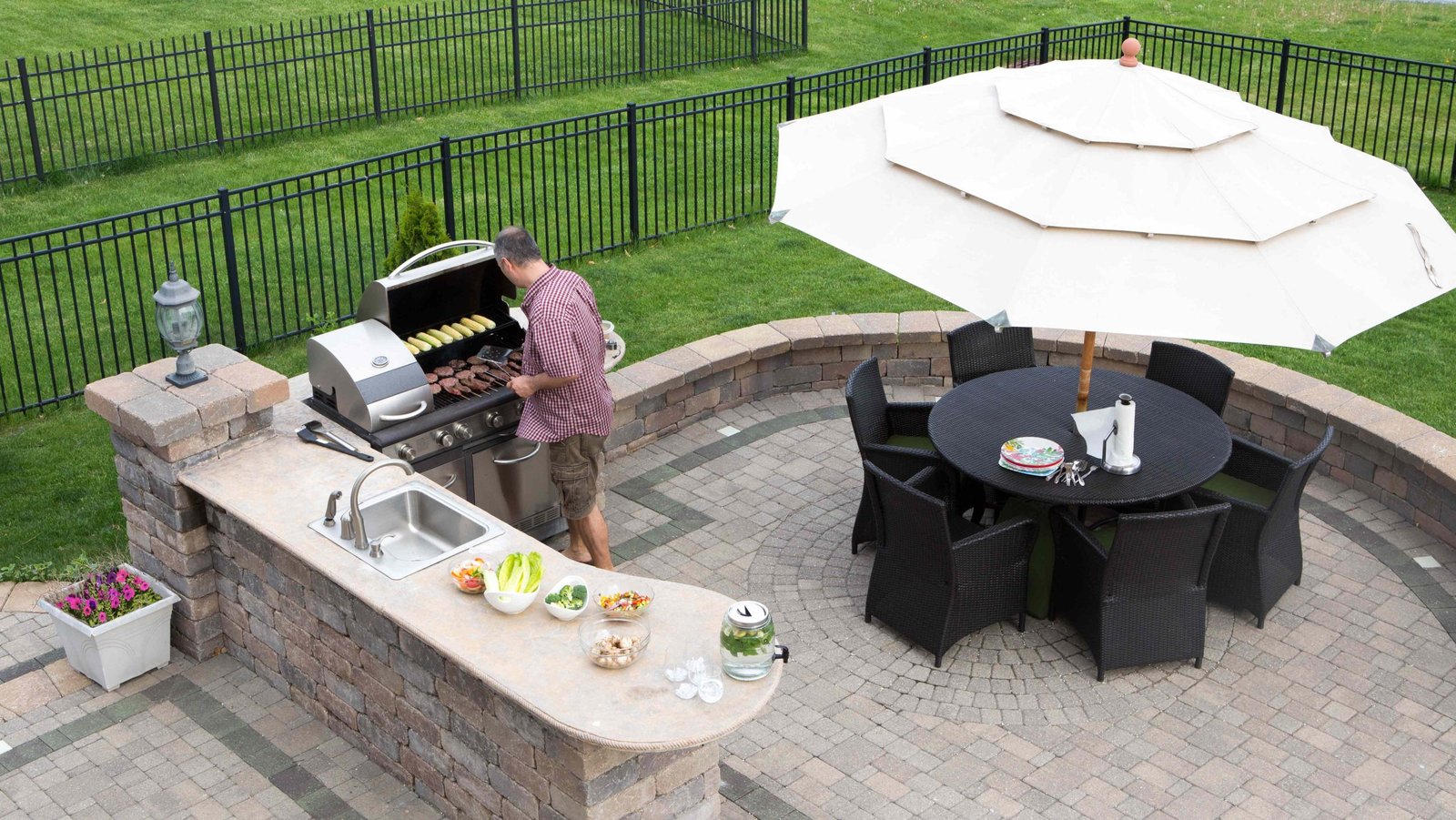
Your outdoor kitchen island is the heart of your backyard gatherings. But when stains appear, they can ruin its look and make you hesitate to use it.
You don’t have to live with those stubborn marks. Imagine having your island looking fresh and clean again, ready for your next BBQ or party. You’ll discover simple, effective ways to remove stains from your outdoor kitchen island—without harsh chemicals or expensive tools.
Keep reading, and you’ll learn how to bring back that spotless shine quickly and easily.

Credit: www.homedepot.com
Common Outdoor Kitchen Stains
Outdoor kitchen islands are fantastic for entertaining and cooking, but they often face tough challenges from various stains. Knowing what types of stains are common helps you tackle them quickly and effectively. Let’s look at some typical offenders that can dull your outdoor space and how to identify them.
Grease And Oil Spots
Grease and oil are the most frequent stains on outdoor kitchen islands. These spots come from cooking oils, marinades, or even salad dressings. They can soak into porous surfaces, making them tricky to remove if left too long.
Have you ever noticed how a small oil drip can spread and leave a larger mark than expected? Acting fast with warm soapy water usually helps break down the grease before it sets.
Wine And Beverage Marks
Spilled wine or other beverages can leave colorful stains on your countertop. Red wine, in particular, is notorious for staining surfaces if not wiped promptly. Sugary drinks also leave sticky residues that attract dirt.
Do you keep a stash of napkins nearby when hosting? Quick cleanup is your best defense against these stubborn marks.
Food Residue
Bits of food left behind after cooking or eating can dry and harden on your island. This residue may look harmless but can cause discoloration or attract pests. Crumbs, sauces, and even fruit juices contribute to these spots.
Have you considered a daily wipe-down routine to prevent buildup? It’s surprising how small efforts make a big difference.
Rust And Mineral Deposits
Metal utensils and water exposure often cause rust and mineral deposits on outdoor kitchen surfaces. Rust stains show as reddish-brown spots, while mineral deposits appear as white or chalky patches. Both can damage finishes if ignored.
Notice any streaks after rain or watering your garden? Using a gentle cleaner suited for your material helps keep these stains at bay without harming the surface.
Mold And Mildew
Outdoor environments can promote mold and mildew growth, especially in shaded or damp areas around your kitchen island. These stains are usually black, green, or gray and have a musty smell. They not only look unpleasant but can also affect health.
Have you spotted any dark patches in corners or under covers? Regular cleaning and good ventilation reduce moisture and prevent mold from settling in.
Credit: www.luxurytravelmagazine.com
Choosing The Right Cleaning Products
Choosing the right cleaning products is key to keeping your outdoor kitchen island spotless. The wrong product can damage surfaces or leave stubborn stains. Understanding different cleaners helps protect your investment and maintain beauty.
Some products work better on certain materials than others. Knowing what to use on stone, stainless steel, or other surfaces ensures safe and effective cleaning. This guide helps you pick the best options for your outdoor space.
Natural Vs Chemical Cleaners
Natural cleaners use ingredients like vinegar, baking soda, or lemon juice. They are gentle and less likely to harm surfaces. Natural options are safe for kids and pets and reduce chemical exposure.
Chemical cleaners contain strong agents to break tough stains fast. They work well on grease and grime but may damage delicate materials. Use chemical products carefully and follow instructions strictly.
Safe Cleaners For Stone Surfaces
Stone surfaces like granite or marble require mild, pH-neutral cleaners. Avoid acidic or abrasive products that cause etching or dullness. A mixture of warm water and gentle soap often works well.
Special stone cleaners are available for deeper cleaning without damage. Always test cleaners on a small area first to check for adverse effects.
Cleaners Suitable For Stainless Steel
Stainless steel resists rust but needs proper care to avoid scratches. Use non-abrasive cleaners and soft cloths for cleaning. Products with ammonia or bleach can harm the finish and should be avoided.
Polish stainless steel with dedicated cleaners to maintain shine and prevent fingerprints. Wipe along the grain for best results.
Eco-friendly Options
Eco-friendly cleaners reduce environmental impact and avoid harsh chemicals. They use biodegradable ingredients and safe packaging. These products clean effectively and protect outdoor plants and wildlife.
Look for labels like “biodegradable,” “non-toxic,” or “plant-based” to find eco-friendly choices. These options keep your outdoor kitchen clean and green.
Step-by-step Stain Removal Techniques
Removing stains from your outdoor kitchen island keeps it looking fresh and inviting. Different stains need different care to avoid damage and restore the surface’s beauty. Follow clear, easy steps to tackle common stains effectively.
Preparing The Surface
Start by clearing the area of any loose dirt or debris. Use a soft brush or cloth to wipe the surface gently. Rinse the island with clean water to remove dust. Dry the surface with a clean towel. This preparation helps cleaning agents work better on the stains.
Treating Grease And Oil
Grease and oil stains need a strong but safe cleaner. Mix warm water with a few drops of dish soap. Apply the solution with a soft sponge. Let it sit for 10 minutes to break down the grease. Scrub gently in circular motions. Rinse with clean water and dry thoroughly.
Removing Wine And Beverage Stains
Blot fresh spills immediately to prevent setting. For older stains, mix equal parts white vinegar and water. Apply the mix on the stain using a cloth. Let it sit for 5 minutes to lift the color. Rinse with water and wipe dry. Repeat if the stain persists.
Handling Rust And Mineral Deposits
Use lemon juice or a mild acid cleaner for rust spots. Apply the juice directly on the stain. Let it work for 10 minutes. Scrub gently with a soft brush. Rinse with water to remove residue. For mineral deposits, a vinegar soak can dissolve buildup. Wipe clean and dry the area.
Dealing With Mold And Mildew
Mix one part bleach with three parts water in a spray bottle. Spray the moldy area lightly. Let it sit for 10 minutes. Scrub with a soft brush to remove growth. Rinse thoroughly with water. Dry the surface completely to prevent return.
Preventing Future Stains
Preventing stains on your outdoor kitchen island saves you time and hassle later. A few simple habits and protective measures can keep your surfaces looking fresh and new. Let’s explore practical ways to stop stains before they start.
Regular Cleaning Habits
Clean your outdoor kitchen island regularly to stop stains from setting in. Wipe down surfaces after each use with a mild soap and water solution. This quick step removes food particles and spills before they cause damage.
Don’t forget to clean under appliances and around edges where debris can hide. Using a soft brush or cloth helps avoid scratching delicate surfaces. You’ll notice how consistent cleaning keeps your island stain-free and inviting.
Sealing And Protecting Surfaces
Applying a sealant to stone or concrete surfaces creates a barrier against stains. Choose a sealant suitable for your material, like granite or tile. Reseal every 6 to 12 months depending on exposure to weather and usage.
Sealing not only prevents stains but also makes cleaning easier. Imagine how much less effort you’ll spend scrubbing if spills bead up and wipe away quickly. This small investment in protection pays off in the long run.
Using Covers And Protective Mats
Cover your outdoor kitchen island when not in use, especially during bad weather. Waterproof covers shield surfaces from rain, dirt, and bird droppings. You can also use heat-resistant mats under grills and cutting boards to prevent burns and stains.
Think about how a simple cover saved my island from a tough grease stain last summer. Protective mats work great for catching spills, making cleanup faster. Are you using covers and mats to their full potential?
Proper Maintenance Tips
Check your outdoor kitchen island regularly for any signs of wear or damage. Fix small cracks or chips quickly to avoid bigger problems that can trap stains. Keep hardware tight and replace worn seals on drawers and doors.
Inspecting your island each season helps you catch issues early. Maintenance keeps your space functional and looking its best. What maintenance habit could you add today to protect your investment?
Tools And Equipment For Cleaning
Keeping your outdoor kitchen island spotless requires the right tools and equipment. Choosing proper cleaning gear makes stain removal easier and protects your surfaces from damage. Let’s look at the essential items you need to tackle those stubborn stains effectively.
Scrub Brushes And Sponges
Scrub brushes with stiff bristles help lift dirt and grime from textured surfaces like stone or brick. Use a brush with soft bristles for delicate materials such as tile or granite to avoid scratches. Sponges come in handy for applying cleaning solutions and wiping away residue without damaging your island.
Have you noticed how a simple change from a rough brush to a softer sponge can save your countertop from tiny scratches? It’s all about matching the tool to the surface.
Pressure Washers
Pressure washers deliver a powerful stream of water to blast away tough stains and accumulated grime. They work best on durable materials like concrete or natural stone but can be too harsh for delicate finishes. Adjust the pressure settings carefully to avoid chipping or discoloration.
Using a pressure washer once helped me remove years of built-up grease in minutes—something scrubbing by hand couldn’t achieve.
Microfiber Cloths
Microfiber cloths are excellent for wiping down surfaces after cleaning. They trap dirt and moisture efficiently without leaving lint behind. Use them to polish and dry your island, ensuring a streak-free shine.
Next time you clean, try swapping regular towels for microfiber cloths—you’ll see the difference in how clean and bright your outdoor kitchen looks.
Safety Gear
Protect yourself by wearing gloves, goggles, and a mask, especially when using strong cleaners or pressure washers. Gloves prevent skin irritation, goggles shield your eyes from splashes, and masks help avoid inhaling fumes or dust. Safety gear keeps your cleaning experience safe and comfortable.
Have you ever underestimated the need for gloves and ended up with irritated skin? Don’t make that mistake—gear up before you start.

Credit: woodlarkgardenluxury.co.uk
Frequently Asked Questions
How Do I Remove Grease Stains From Outdoor Kitchen Islands?
Use a mild detergent mixed with warm water to scrub grease stains. Avoid harsh chemicals that damage surfaces. For stubborn stains, a baking soda paste works well. Rinse thoroughly and dry to prevent residue.
What Natural Cleaners Work On Outdoor Kitchen Stains?
Vinegar and baking soda are effective natural cleaners. Vinegar cuts through grime, while baking soda acts as a gentle abrasive. Mix them to form a paste for tough stains. These options are safe for most outdoor kitchen materials.
Can I Use Bleach On My Outdoor Kitchen Island?
Bleach is not recommended as it can discolor and damage surfaces. Instead, opt for gentle cleaners or specialized outdoor kitchen cleaning products. Always test cleaners on a small area before full application.
How Often Should I Clean My Outdoor Kitchen Island?
Clean your outdoor kitchen island after every use to prevent stains. Regular maintenance keeps surfaces looking new and extends their lifespan. A deep clean every few weeks helps manage tougher grime and buildup.
Conclusion
Keeping your outdoor kitchen island clean is important. Stains can spoil its appearance. Regular cleaning helps maintain its beauty. Use simple cleaning solutions. A mix of vinegar and water works well. For tough stains, try baking soda paste. Scrub gently to avoid damage.
Remember to rinse thoroughly. Dry with a clean cloth to prevent watermarks. Consistent care makes a big difference. Your kitchen island will always look inviting. Enjoy cooking in a clean, fresh space. Happy grilling and entertaining!
