
Your prep table is the heart of your kitchen. But insects can turn it into a nightmare fast.
Imagine spending hours preparing food, only to find tiny pests crawling around your workspace. That’s not just frustrating—it’s unsafe. You need simple, effective ways to keep your prep table clean and insect-free. You’ll discover easy tips that protect your space and give you peace of mind every time you cook.
Keep reading to learn how to take control and say goodbye to unwanted guests for good.
Credit: timesofindia.indiatimes.com
Common Insect Problems On Prep Tables
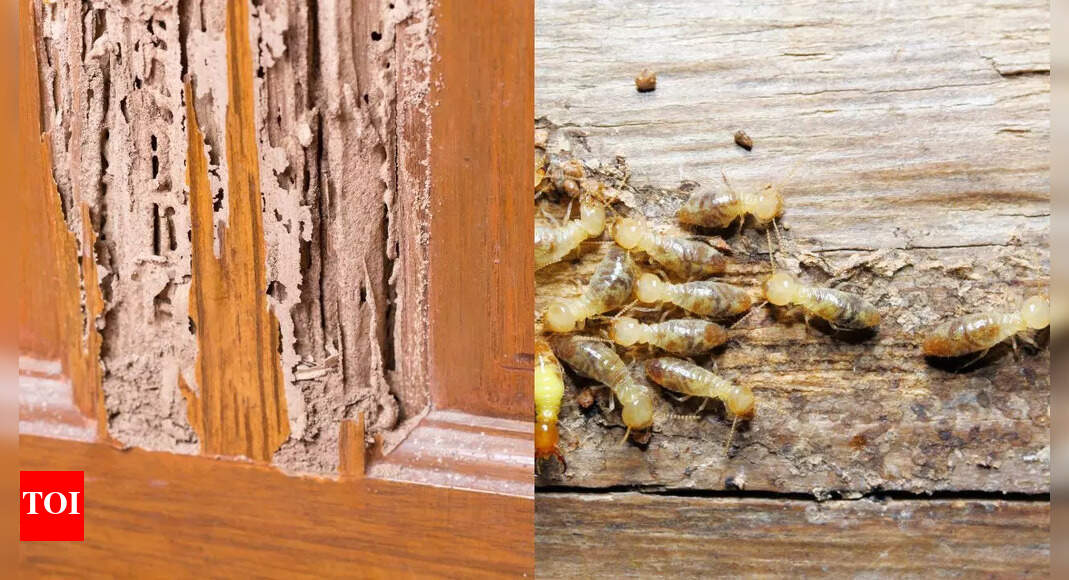
Insects on prep tables are more than just a nuisance—they pose a serious risk to food safety. These unwelcome guests can quickly turn a clean workspace into a breeding ground for contamination. Understanding the common insect problems on prep tables is your first step toward keeping your kitchen safe and hygienic.
Types Of Insects To Watch For
Several types of insects commonly invade prep tables. Fliesare the most frequent offenders, attracted by food odors and moisture. They can land and leave behind bacteria in seconds.
Antsoften invade in search of crumbs or spills, moving quickly and in large numbers. Their presence can be a sign of hidden food debris.
Cockroachesare a bigger problem; they thrive in dark, damp corners and can spread harmful pathogens. Seeing one cockroach is often a sign of many more hiding nearby.
How Insects Contaminate Food Prep Areas
Insects contaminate prep tables in multiple ways. They carry bacteria and viruses on their legs and bodies, transferring these germs wherever they land. This contamination can spoil food and cause illnesses.
Some insects, like cockroaches, also leave droppings, which contain allergens and bacteria. These droppings can contaminate surfaces and food items, creating health risks.
Have you ever noticed flies buzzing around your food prep area? Each fly can carry thousands of bacteria, including salmonella and E. coli. Ignoring this can lead to serious foodborne illnesses.

Credit: cen.acs.org
Choosing The Right Materials
Choosing the right materials for your prep table plays a big role in keeping insects away. Some materials attract bugs less and are easier to keep clean. This helps maintain a safe and hygienic work area.
Pick materials that do not hold moisture or food residue. These surfaces make it harder for insects to live and breed. The right choice also helps you clean faster and more effectively.
Insect-resistant Surfaces
Surfaces that resist insect buildup reduce the risk of contamination. Stainless steel is a top choice. It does not absorb liquids or smells. This stops bugs from hiding or feeding on your prep table.
Other options include sealed hardwood and certain plastics. These materials have smooth finishes that insects cannot easily cling to. Avoid rough or porous surfaces that trap dirt and crumbs.
Easy-to-clean Prep Table Options
Tables with simple designs and smooth edges help speed up cleaning. Rounded corners prevent food bits from collecting. Flat surfaces with no cracks or seams stop insects from hiding.
Materials like stainless steel and laminated surfaces wipe down quickly. Use tables that resist stains and corrosion. This keeps your workspace fresh and bug-free every day.
Cleaning And Maintenance Tips
Keeping your prep table free from insects starts with effective cleaning and maintenance. A clean surface discourages pests and creates a safe space for food preparation. Small, consistent efforts can make a big difference in preventing infestations.
Daily Cleaning Routines
Wipe down your prep table after every use with warm, soapy water. Pay special attention to corners and seams where crumbs and spills often hide. Make it a habit to dry the surface thoroughly—moisture attracts insects.
Empty nearby trash bins daily and clean up any food debris immediately. Do you notice any sticky spots or spills that stay unnoticed? Tackling these quickly stops insects from finding a reason to hang around.
Deep Cleaning Techniques
Once a week, give your prep table a thorough scrub using a mild disinfectant safe for food surfaces. Remove any detachable parts to clean underneath and behind the table. This helps eliminate hidden food particles that could attract pests.
Consider using a toothbrush or small brush for stubborn grime in tight spaces. Have you checked the underside of your table lately? This area often gets overlooked but is a common place for insects to gather.
Using Natural Repellents
Natural repellents can complement cleaning efforts without harsh chemicals. Sprinkling a bit of cinnamon or placing bay leaves near your prep table can keep insects away. These items smell pleasant and discourage pests simultaneously.
Essential oils like peppermint or eucalyptus work well too. Dab a few drops on a cloth and wipe your table edges. Can you imagine adding a fresh scent to your kitchen while keeping bugs out?
Physical Barriers And Covers
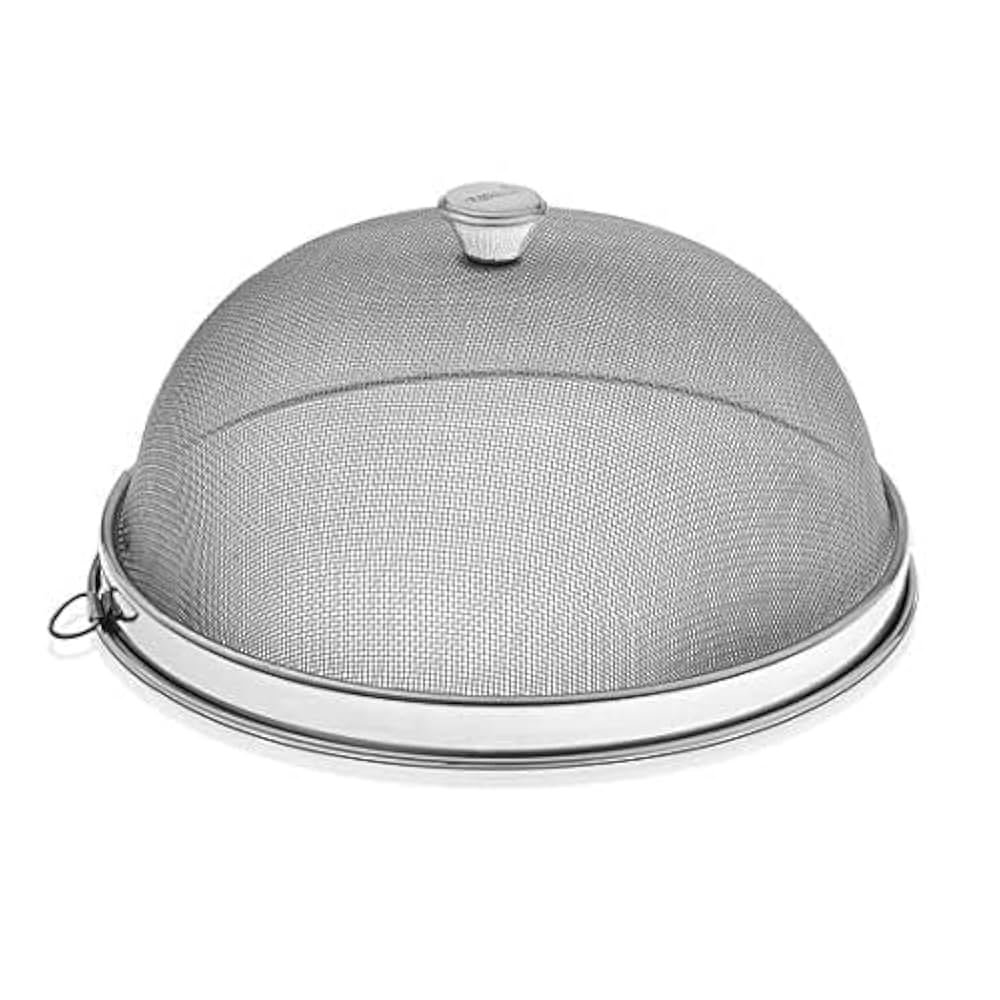
Protecting your prep table from insects is crucial for maintaining hygiene and food safety. Physical barriers and covers provide a straightforward way to keep bugs away without chemicals. These solutions create a shield that blocks insects from landing on your work surface, helping you maintain a clean environment.
Screen Guards And Nets
Screen guards and nets act like a fine mesh wall around your prep table. They allow air to flow through while stopping even the smallest insects from getting in. You can attach these screens to the sides or build a frame around your table to hold them in place.
Think about how a friend of mine struggled with flies in her outdoor kitchen. She added a simple screen guard and instantly saw fewer bugs landing on her food. Would you consider setting up a similar barrier if you work outdoors or in a place prone to insects?
- Choose screens with small mesh sizes to block tiny insects.
- Make sure the screens are easy to remove for cleaning.
- Use durable materials that won’t tear easily under daily use.
Table Covers And Shields
Table covers and shields provide a direct layer of protection on top of your prep surface. These can be clear plastic covers, silicone mats, or even custom-fit shields that wrap around the edges. They stop bugs from touching your food or utensils while still allowing you to work comfortably.
Once, I used a transparent cover during a summer picnic, and it made a huge difference. Not only did it keep ants away, but it also prevented dust and debris from settling on the table. Have you tried using a cover to protect your workspace during meal prep?
- Look for covers that are easy to clean and dishwasher safe.
- Consider covers that fit snugly to prevent insects from sneaking underneath.
- Use lightweight materials that won’t slow you down during prep.
Environmental Controls
Environmental controls play a key role in keeping insects away from prep tables. Managing the area around your workspace can reduce insect entry points. Maintaining cleanliness and controlling factors like moisture helps create a less inviting environment for pests.
Managing Surrounding Areas
Keep the area around your prep table clean and free of clutter. Remove weeds, tall grass, and debris that can hide insects. Trim plants and bushes near doors and windows to limit insect access. Ensure vents and openings have screens to block pests.
Proper Waste Disposal
Dispose of trash regularly to avoid attracting insects. Use bins with tight-fitting lids. Clean bins often to remove food residues. Place waste containers away from the prep table to reduce insect presence. Avoid leaving food scraps or spills on surfaces.
Controlling Moisture And Humidity
Fix leaks and drips near the prep area. Dry wet surfaces quickly to prevent insect breeding. Use fans or dehumidifiers to lower humidity levels. Ensure good air circulation around the prep table. Insects thrive in damp conditions, so keep the area dry.

Credit: www.nytimes.com
Insect Traps And Deterrents
Insect traps and deterrents help keep your prep table free from bugs. They stop insects from landing or nesting on surfaces. Using traps and safe deterrents improves kitchen hygiene. These tools reduce the risk of contamination and protect your food.
Types Of Traps For Kitchens
Different traps catch various insects. Sticky traps attract flies and small bugs with glue surfaces. Light traps use UV light to draw moths and flies inside. Bait traps lure ants and roaches with food-based attractants. Each trap works best for specific insects found in kitchens.
- Sticky Traps:Easy to place around prep tables and corners.
- Light Traps:Effective in dark or dim areas.
- Bait Traps:Target ants and roaches near food crumbs.
Choose traps that suit your kitchen’s insect problem. Replace traps regularly for best results. Keep traps away from direct food contact.
Safe Chemical Alternatives
Some chemicals deter insects without harmful effects. Natural repellents include essential oils like peppermint and eucalyptus. These oils can be sprayed near prep tables to repel bugs. Vinegar solutions also work well to discourage ants.
- Essential Oil Sprays:Mix with water and spray around surfaces.
- Vinegar Wipes:Clean counters to deter insects.
- Herbal Sachets:Place near prep areas for long-lasting effect.
Avoid harsh chemicals near food preparation zones. Use only food-safe alternatives to protect health. Regular cleaning combined with safe repellents keeps insects away effectively.
Staff Training And Best Practices
Staff training is vital to keep prep tables free from insects. Proper education helps workers understand risks and act correctly. Trained staff follow rules that reduce insect problems in food areas. Clear instructions and regular reminders build good habits. These habits protect food quality and customer health.
Hygiene Protocols
Teach staff to wash hands before and after handling food. Clean prep tables with approved sanitizers after each use. Store food in sealed containers to stop insect access. Dispose of waste quickly and properly. Avoid leaving food scraps on tables or floors. Use clean cloths and replace them often. Encourage wearing hairnets and gloves to reduce contamination.
Regular Inspection Schedules
Train staff to check prep tables daily for signs of insects. Look for droppings, webs, or small holes in food packages. Report any findings immediately to management. Schedule deep cleaning at least once a week. Use a checklist to ensure no area is missed. Teach workers how to spot early insect activity. Quick action stops infestations before they grow.
Frequently Asked Questions
How Can I Prevent Insects On Prep Tables?
To prevent insects, keep your prep table clean and dry. Regularly sanitize surfaces and remove food residues promptly. Use insect-repellent sprays and traps around the area. Ensure proper sealing of windows and doors to block entry points. Regular inspections can help identify and address potential infestations early.
What Materials Repel Insects From Prep Tables?
Stainless steel and sealed wood are excellent choices for repelling insects. These materials are non-porous and easy to clean. Their smooth surfaces deter insects from nesting or hiding. Additionally, using insect-repellent coatings or natural repellents like essential oils can enhance protection.
How Often Should I Clean My Prep Table?
Clean your prep table at least once daily to prevent insect attraction. After each use, wipe down surfaces to remove food particles. For commercial kitchens, consider cleaning multiple times daily. Regular deep cleaning ensures thorough sanitation and minimizes the risk of insect infestations.
Are Natural Repellents Effective For Prep Tables?
Yes, natural repellents like peppermint or eucalyptus oil are effective. These oils have strong scents that deter insects. Apply them around your prep table area for added protection. Reapply regularly to maintain effectiveness, especially after cleaning or wiping down surfaces.
Conclusion
Keeping your prep table free from insects protects food safety and quality. Clean the surface often to stop bugs from settling. Use tight covers and store food properly. Seal any cracks or gaps near the prep area. Simple habits keep insects away and your workspace healthy.
A pest-free table means safer meals every day. Small actions make a big difference in your kitchen. Stay consistent and watch the insects disappear. Your food deserves a clean, bug-free prep space.
