
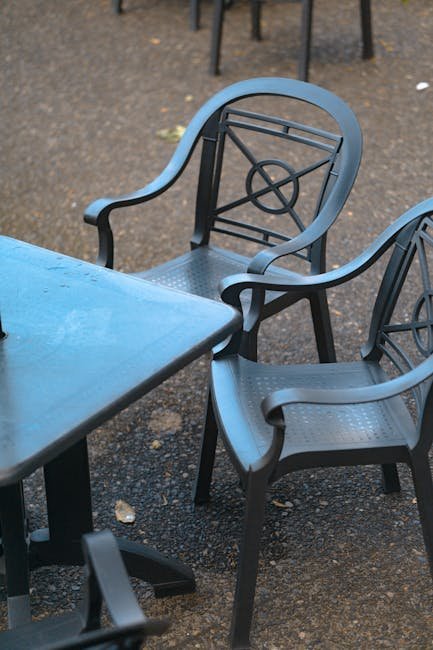
Your patio furniture legs are the unsung heroes of your outdoor space. They support every moment you spend relaxing, dining, or entertaining outside.
But have you ever stopped to think about how to keep them in good shape? If you want your furniture to last longer and stay sturdy, taking care of those legs is key. You’ll discover simple and effective ways to maintain your patio furniture legs so they look great and hold strong through every season.
Keep reading—you’ll learn easy tips that save you money and hassle down the road.

Credit: armadillosun.com
Choosing Durable Materials
Choosing durable materials for patio furniture legs is essential. These materials must withstand weather changes and daily use. Strong, weather-resistant legs keep furniture stable and looking good for years. Picking the right material reduces maintenance needs and prevents damage.
Best Metals For Patio Legs
Metals offer excellent strength and durability. Aluminum is lightweight and rust-resistant, perfect for outdoor use. Steel is strong but needs a protective coating to avoid rust. Wrought iron looks classic and is very sturdy. Powder-coated metals resist scratches and fading.
Wood Types That Resist Weather
Some woods naturally resist moisture and insects. Teak is a popular choice for its oily texture that repels water. Cedar and redwood contain natural oils that protect against rot. Regular sealing extends wood life and maintains appearance. Avoid softwoods that absorb water easily.
Weatherproof Plastic Options
Plastic legs resist moisture and do not rust. High-density polyethylene (HDPE) is tough and UV resistant. Resin blends mimic wood or metal while lasting longer. Plastic is light, easy to clean, and low maintenance. Choose thick, sturdy plastic to avoid cracking or warping.
Credit: www.extraspace.com
Regular Cleaning Tips
Keeping your patio furniture legs clean is essential for their durability and appearance. Regular cleaning removes dirt and prevents damage that can shorten their lifespan. A consistent routine not only protects your investment but also keeps your outdoor space looking inviting.
Removing Dirt And Debris
Dirt and debris can build up quickly, especially after windy or rainy days. Use a soft brush or cloth to gently sweep away loose dirt before it settles into scratches or crevices. Don’t forget to check under the legs where dirt often hides—neglecting these spots can lead to faster wear.
Have you noticed how small bits of mud can harden around the leg bases? Removing these promptly prevents moisture retention, which can cause rust or rot depending on the material.
Safe Cleaning Solutions
Choose mild soap mixed with warm water for most patio furniture legs. This solution cleans effectively without stripping protective coatings or causing discoloration. Test the cleaner on a small hidden area first to avoid surprises.
For stubborn stains, a mixture of vinegar and water works well on metal legs but avoid using it on wood or painted surfaces. Always rinse thoroughly and dry the legs completely to prevent moisture damage.
Avoiding Corrosive Substances
Steer clear of harsh chemicals like bleach or ammonia, which can eat away finishes and weaken materials. Salt and acidic cleaners are also risky, especially for metal legs, as they accelerate corrosion.
If you live near the coast, salt buildup can be a silent enemy. Regular rinsing with fresh water helps protect your furniture legs from this hidden threat. What corrosive substances might be lurking in your cleaning supplies?
Preventing Rust And Corrosion
Rust and corrosion can quickly damage patio furniture legs. These problems weaken metal and spoil the look of your outdoor space. Regular care helps your furniture stay strong and attractive for years. Simple steps prevent rust and protect the material from harsh weather.
Applying Protective Coatings
Protective coatings create a barrier between metal and moisture. Use paint or clear sealants made for outdoor use. Apply the coating evenly on all legs. Let it dry completely before placing the furniture outside. Reapply coatings every year or after cleaning. This keeps the metal safe from rain and humidity.
Using Rust Inhibitors
Rust inhibitors stop rust from forming on metal surfaces. Spray or brush these products onto clean, dry legs. They slow down the chemical reaction that causes rust. Choose inhibitors that match your furniture’s metal type. Use them regularly, especially before wet seasons. This extra layer protects the legs from corrosion.
Storage During Wet Seasons
Store patio furniture indoors during heavy rain or snow. Keep legs dry to prevent rust buildup. Use waterproof covers if indoor storage is not possible. Elevate furniture off the ground to avoid standing water. Good storage habits reduce corrosion risk and extend furniture life.
Credit: www.extraspace.com
Repairing Minor Damages
Repairing minor damages on your patio furniture legs can extend their life and keep your outdoor space looking fresh. Small issues like scratches, loose legs, or worn parts might seem trivial, but addressing them early prevents bigger problems later. Let’s look at practical ways you can fix these common problems yourself.
Fixing Scratches And Chips
Scratches and chips on wooden or metal legs are common but easy to fix. For wooden legs, gently sand the damaged area with fine-grit sandpaper until smooth. Then, apply a matching wood stain or paint to blend the repair seamlessly with the rest of the leg.
Metal legs can be touched up with rust-resistant paint or a metal repair marker available at hardware stores. If you spot rust around the scratch, remove it first with a wire brush to stop it from spreading. Have you noticed how a small scratch ignored can turn into rust within weeks?
Tightening Loose Legs
Loose legs make your furniture unstable and unsafe. Check the joints and screws holding the legs in place regularly. Use a screwdriver or wrench to tighten any loose screws or bolts you find.
If the screws keep loosening, try adding a drop of wood glue or a thread-locking adhesive before tightening. This small trick helped me keep an old patio chair sturdy for years. Are you overlooking these small movements that could lead to a bigger wobble?
Replacing Worn Out Parts
Sometimes, parts like leg caps, glides, or entire legs get too worn to repair. These parts are often replaceable and can be found online or at local hardware stores. Before buying, measure the part carefully and match the material and color for a uniform look.
Replacing worn parts isn’t just about appearance; it also protects your patio floor from scratches and prevents further damage to the furniture. Have you checked if your furniture’s feet still protect your patio surface effectively?
Seasonal Maintenance Routine
Keeping your patio furniture legs in good shape requires attention throughout the year. A seasonal maintenance routine helps prevent damage and extends the life of your outdoor pieces. Let’s break down what you can do each season to protect and care for those crucial legs.
Preparing For Winter
Before the cold months hit, clean the furniture legs thoroughly to remove dirt and debris. This stops grime from freezing and causing cracks or corrosion. Apply a protective sealant or a layer of wax, especially if your furniture is wood or metal, to shield against moisture.
Consider lifting the legs off the ground or using furniture risers. This prevents direct contact with wet surfaces and reduces the chance of rust or rot. If possible, store your furniture indoors or cover it with waterproof covers that allow ventilation to avoid mold buildup.
Springtime Checks
After winter, inspect the legs carefully for any signs of damage like cracks, rust, or loose joints. Tighten screws and bolts to ensure stability before you start using the furniture again. If you spot rust, sand it down gently and touch up with paint or sealant.
Look for signs of insect damage if your furniture is wooden. Treat any affected areas promptly to stop further decay. Spring is also a good time to apply a fresh coat of protective finish to keep the legs strong and looking good.
Summer Care Tips
Summer brings sun and occasional rain, both of which can harm patio furniture legs. Wipe down the legs regularly to remove dust and prevent buildup that can wear down finishes. Use UV-protective sprays to guard against sun damage and fading.
If your area experiences heavy rain, check for standing water around the legs and move furniture to drier spots. Adding rubber or plastic caps to the bottom of legs can help prevent direct contact with wet ground. These small steps keep your furniture sturdy and ready for outdoor fun.
Using Furniture Leg Caps And Pads
Using furniture leg caps and pads helps protect both your patio furniture and floors. These small accessories prevent scratches and damage caused by moving furniture. They also add stability and reduce noise on hard surfaces. Proper use of caps and pads extends the life of your outdoor furniture legs.
Protecting Floors And Legs
Furniture leg caps create a barrier between the furniture and floor. They stop dirt and moisture from reaching the legs. This prevents rust and wear on metal legs. Pads soften the contact with floors, avoiding scratches on wood or tile. Both keep floors clean and legs in good shape.
Choosing The Right Pads
Select pads based on your floor type and furniture leg shape. Felt pads work well on hardwood and tile floors. Rubber or silicone pads suit concrete or rough surfaces. Measure your furniture legs to find the right size. Pads should fit snugly to stay in place during use.
Replacing Worn Caps
Caps and pads wear out over time from use and weather. Check them regularly for cracks or thinning. Replace worn parts to keep protection strong. Remove old caps gently to avoid damage. Clean the leg surface before fitting new caps or pads for better adhesion.
Proper Storage Solutions
Proper storage is key to keeping patio furniture legs strong and damage-free. Storing furniture correctly prevents rust, warping, and wear. It also makes your patio look tidy and ready for use anytime. Choosing the right storage method depends on space, climate, and furniture type.
Indoor Vs Outdoor Storage
Indoor storage offers the best protection against weather. It keeps furniture safe from rain, sun, and frost. A garage, shed, or basement works well for storing patio furniture legs. Keep items off the floor to avoid moisture damage. Use shelves or pallets for better air circulation.
Outdoor storage is good if indoor space is limited. Choose a dry, shaded spot for your furniture. Avoid placing items directly on soil or grass. Use raised platforms or outdoor storage boxes. This helps protect legs from dirt and moisture.
Covering And Sheltering Furniture
Covers shield furniture from dust, rain, and sun damage. Use breathable covers to stop mold and mildew. Plastic covers trap moisture and harm furniture legs. Secure covers tightly to prevent wind damage. Consider a patio shelter or awning for extra protection. Shelters reduce exposure to harsh weather.
Avoiding Moisture Build-up
Moisture causes rust and wood rot on furniture legs. Ensure good airflow around stored items to keep them dry. Use moisture absorbers or silica gel packs inside covers. Check furniture regularly for damp spots. Dry wet furniture immediately to prevent damage. Raising legs off the ground also reduces moisture contact.
Frequently Asked Questions
How Often Should I Clean Patio Furniture Legs?
Clean patio furniture legs every few weeks to prevent dirt buildup. Use mild soap, water, and a soft brush. Regular cleaning stops damage and keeps legs looking new.
What Materials Protect Patio Furniture Legs Best?
Rubber or plastic caps protect patio furniture legs from moisture and scratches. They also prevent floor damage and improve stability. Choose caps suited to your furniture leg material.
How Do I Prevent Rust On Metal Furniture Legs?
Apply a rust-resistant spray or paint to metal legs. Keep legs dry and clean to avoid rust formation. Regular maintenance extends furniture life and preserves appearance.
Can I Repair Scratched Wooden Furniture Legs?
Yes, lightly sand scratches and apply wood filler if needed. Finish with matching stain or sealant for protection. This restores wood legs and prevents further damage.
Conclusion
Caring for patio furniture legs keeps them strong and long-lasting. Clean them regularly to prevent dirt build-up. Use protective covers during harsh weather. Check for any signs of rust or damage. Fix issues immediately to avoid bigger problems. Consider using furniture pads to prevent scratches.
Maintain a routine, and your furniture will look great for years. This simple care ensures your outdoor space stays inviting. Remember, a little effort goes a long way. Enjoy your beautiful patio!
