
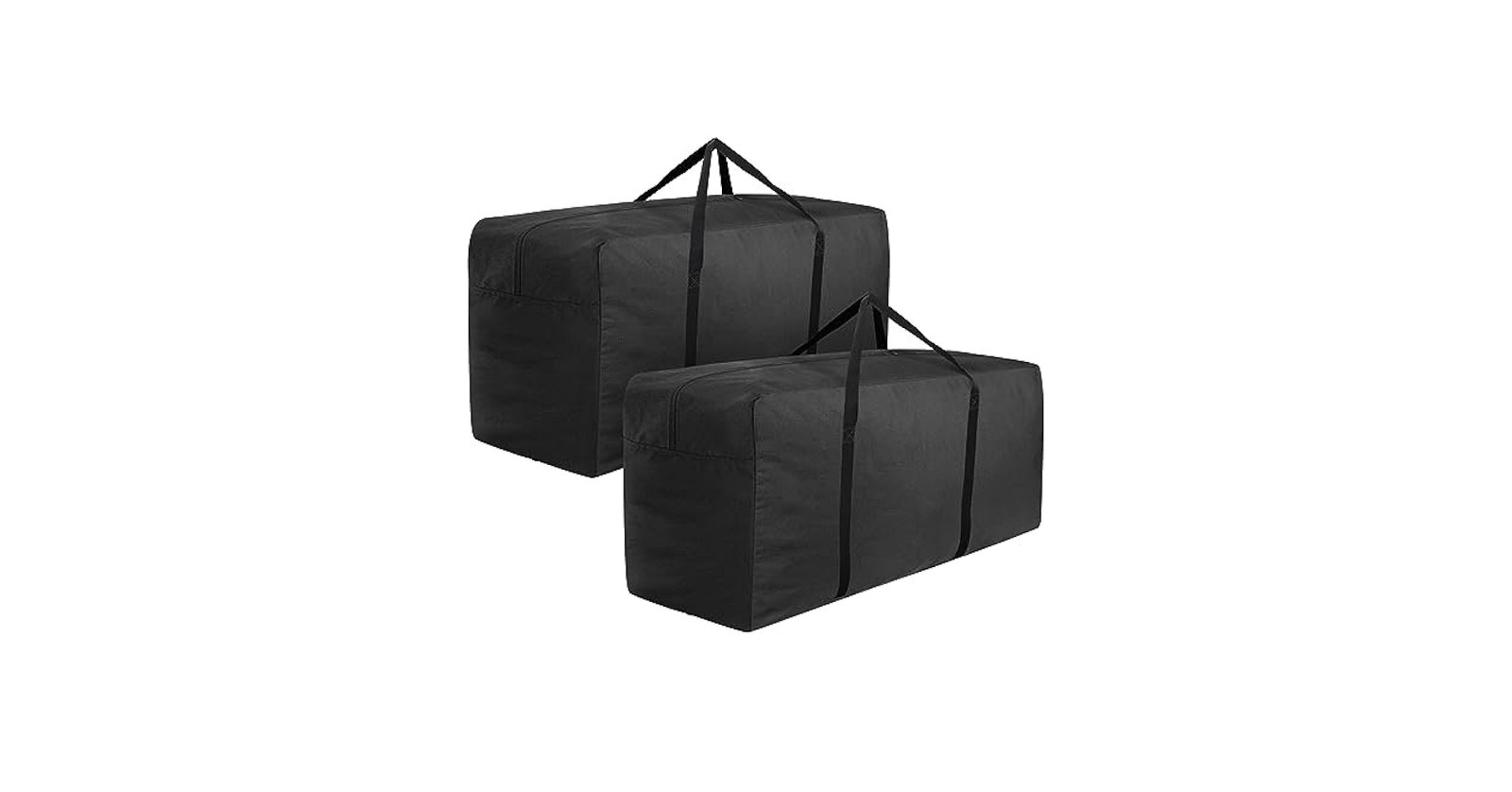
You love your outdoor cushions, but rain can quickly turn them soggy and ruined. Knowing how to store cushions during rain isn’t just about keeping them dry—it’s about saving you time, money, and frustration.
Imagine coming inside after a storm, only to find your cushions moldy or smelly. That’s a problem you don’t want to face. You’ll discover simple, effective ways to protect your cushions from rain damage. Keep reading to learn the easy steps that will keep your cushions fresh and ready for your next outdoor moment.

Credit: www.fishpools.co.uk
Choosing The Right Storage Spot
Choosing the right storage spot for your cushions during rain is essential to keep them dry and in good condition. Picking a place that protects from moisture while allowing proper air circulation can save you from mildew and unpleasant odors. Your storage choice impacts the lifespan of your cushions more than you might think.
Indoor Vs Outdoor Options
Storing cushions indoors is usually the safest bet. Spaces like closets, basements, or spare rooms offer shelter from rain and humidity. However, some indoor spots might be prone to dampness, which leads us to the next point.
If you prefer outdoor storage, look for covered areas such as a garage, shed, or porch with a roof. Avoid leaving cushions exposed to the open air, even if it’s just drizzling. Outdoor storage works only if the spot is well-protected from direct rainfall and has good ventilation.
Avoiding Damp Areas
Dampness is the enemy of cushion fabric and filling. Avoid basements or corners where water tends to collect or where humidity is high. A quick test: place your hand on the wall or floor—if it feels cold and clammy, it’s likely too damp for cushions.
Try to find a spot that stays dry throughout the day. If you notice mold or mildew smells in your storage area, it’s a clear sign to move your cushions elsewhere. Your cushions deserve a dry, fresh environment to stay cozy and clean.
Using Elevated Surfaces
Placing cushions directly on the floor is risky, especially in rainy weather. Floors can absorb moisture or flood unexpectedly. Instead, use shelves, pallets, or tables to keep cushions off the ground.
This simple habit prevents water damage and improves air circulation around the cushions. Even a small elevation of a few inches can make a huge difference in keeping your cushions dry and fresh. Have you checked if your storage spot offers this little but crucial feature?
Credit: www.coversandall.com
Preparing Cushions For Storage
Preparing cushions for storage during rain protects them from moisture and damage. Proper preparation keeps cushions fresh and extends their life. Follow simple steps to get cushions ready for safe storage.
Cleaning And Drying
Remove dirt and dust from cushions before storing. Use a soft brush or vacuum cleaner to clean surface debris. Spot clean stains with mild soap and water. Make sure cushions are completely dry before storage. Damp cushions can grow mold and mildew quickly.
Removing Covers
Take off cushion covers if possible. Wash covers separately according to care instructions. Dry covers thoroughly to prevent mold. Store covers in a dry, clean place. This helps keep cushion fillings safe and dry.
Using Protective Wraps
Wrap cushions in plastic or waterproof covers. Use breathable fabric bags if plastic is not available. Avoid tight wrapping to allow air circulation. Label wrapped cushions for easy identification later. Protective wraps keep moisture and dirt away during rainy days.
Waterproof Storage Solutions
Keeping your cushions dry during rain is essential to prevent mold, mildew, and unpleasant odors. Waterproof storage solutions offer a reliable way to protect your cushions without sacrificing convenience. These options keep moisture out and make it easy for you to store cushions safely until the weather clears up.
Plastic Storage Bins
Plastic storage bins are sturdy and provide excellent protection against water. Look for bins with tight-fitting lids to ensure no rainwater seeps inside. Clear bins also help you quickly spot which cushions are stored without opening every container.
Stacking these bins saves space, and they’re easy to carry to a dry spot. You can even add silica gel packets inside to absorb any residual moisture. Have you checked if your bins have any cracks or gaps before storing your cushions?
Waterproof Bags And Covers
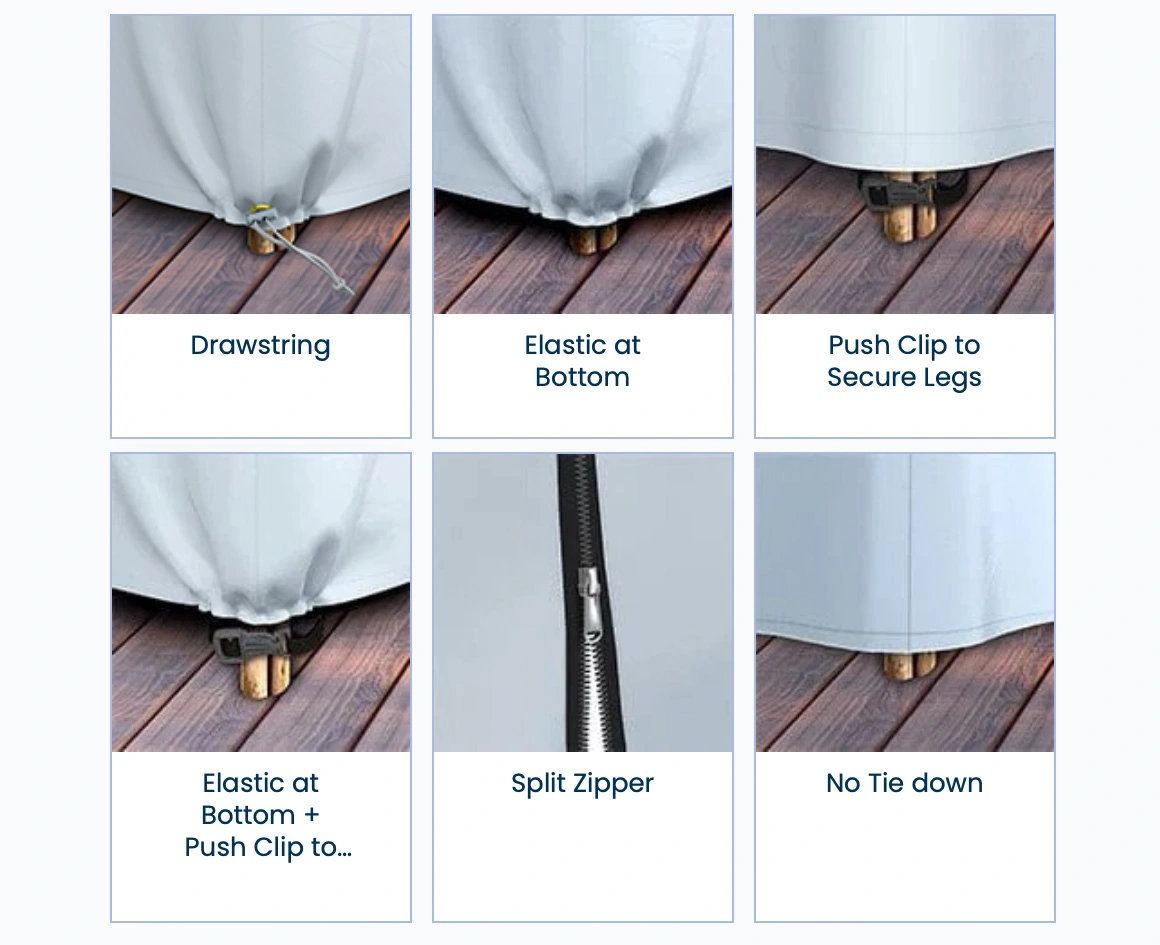
Waterproof bags and covers are flexible and great for quick storage. They wrap around cushions snugly, keeping water out while allowing for easy transport. Many come with zippers or drawstrings to seal the cushions completely.
These are perfect if you have limited storage space or need to move cushions frequently. Some covers are even UV-resistant, protecting cushions from sun damage when stored outdoors. Could a waterproof bag fit your storage needs better than bulky bins?
Vacuum-sealed Bags
Vacuum-sealed bags reduce the size of your cushions and lock out moisture effectively. By removing air, these bags prevent dampness and mold growth. They also make storing cushions in tight spaces much easier.
This option works especially well for seasonal cushions you don’t use often. Just be careful with cushions that have delicate stuffing, as compression might damage them. Have you tried vacuum-sealing cushions before, and how did they hold up?
Preventing Mold And Mildew
Mold and mildew thrive in damp, stagnant environments, making cushions especially vulnerable during rainy seasons. Preventing their growth isn’t just about avoiding unpleasant smells; it protects your cushions’ fabric and filling, keeping them fresh and extending their life. Taking a few simple steps can make a big difference in keeping your cushions mold-free.
Using Silica Gel Packs
Silica gel packs are small but powerful moisture absorbers. Placing these packs inside your cushion storage bag or container helps soak up excess humidity. You can often find these packs in shoe boxes or buy them in bulk; just make sure to replace them periodically to keep their effectiveness.
Think about the last time you stored something damp without moisture control—did you notice a musty smell? Silica gel packs prevent that by keeping the air around your cushions dry. They’re a simple, low-cost tool that works silently to protect your cushions.
Ensuring Air Circulation
Storing cushions in airtight containers might seem like a good idea, but it can trap moisture inside. Instead, choose breathable storage options like mesh bags or containers with ventilation holes. This encourages air to flow, reducing the chance of mold spores settling and multiplying.
If you store cushions indoors, try to keep them in a space with good airflow. A fan or a slightly open window can help air move around, preventing damp pockets where mold loves to grow. Have you noticed how a well-ventilated room smells fresher? That’s the same principle working for your cushions.
Regular Inspection
Even with the best precautions, cushions need a quick check now and then. Set a reminder to inspect stored cushions every couple of weeks during rainy spells. Look for any signs of dampness, discoloration, or unusual odors.
If you catch mold early, you can clean or dry cushions before the problem worsens. Ask yourself: have you ever ignored a small damp spot only to find the whole cushion ruined later? Regular checks save you from that frustration.
Extra Tips For Long-term Storage
Storing cushions properly during rain extends their life and keeps them fresh. Long-term storage needs careful planning to avoid damage. Follow these extra tips to protect your cushions for months or even years.
Avoiding Direct Sunlight
Keep cushions out of direct sunlight to prevent fading and fabric damage. Sunlight breaks down fabric fibers and causes colors to fade quickly. Store cushions in shaded or dark areas for the best protection.
Storing Away From Pests
Choose a storage spot free from pests like mice and insects. Use airtight containers or heavy-duty plastic bags to block pests. Adding natural repellents like cedar blocks helps keep bugs and rodents away.
Labeling And Organizing
Label each cushion clearly before storing. Use waterproof markers or tags for easy identification. Organize cushions by size or use, so you find them quickly later. Keep labels visible on boxes or bags for convenience.

Credit: classicaccessories.com
Frequently Asked Questions
How To Protect Cushions From Rain Damage?
Store cushions in waterproof containers or plastic bags to keep moisture out. Use sealed bins or dedicated storage bags to prevent mold and mildew during rain.
Can Cushions Be Stored Outside During Rain?
Avoid storing cushions outdoors when it rains. If necessary, use waterproof covers and elevate cushions off the ground to prevent water absorption.
How To Dry Cushions After Rain Exposure?
Air dry cushions in direct sunlight to eliminate moisture. Use fans or dehumidifiers indoors to speed up drying and prevent mildew growth.
What Materials Are Best For Rain-resistant Cushions?
Choose cushions made from water-resistant fabrics like polyester or acrylic. These materials repel water and dry quickly, ensuring durability in wet conditions.
Conclusion
Storing cushions during rain keeps them safe and dry. Choose a waterproof cover or a storage box. These protect against moisture and mildew. Always clean cushions before storing. Dirt can cause damage over time. Consider storing them indoors if space allows.
A garage or shed works well. This prevents exposure to harsh weather. Remember, good storage extends cushion life. It’s a simple step for long-lasting comfort. Enjoy fresh, dry cushions every season. Protect your investment with proper care. Your outdoor space will thank you!
