
If you’ve ever struggled with your outdoor fridge working harder than it should, you’re not alone. Keeping your fridge insulated properly can save you money, reduce energy use, and keep your food fresher for longer.
But how exactly do you insulate an outdoor fridge the right way? In this guide, you’ll discover simple and effective steps to boost your fridge’s performance, no matter the weather. Stick with me, and you’ll learn practical tips that anyone can apply—making your outdoor fridge work smarter, not harder.
Ready to protect your fridge and your wallet? Let’s dive in.
Choosing The Right Insulation Material
Choosing the right insulation material for your outdoor fridge can make a huge difference in maintaining its efficiency and keeping your items cool. Not all insulation types work well in outdoor conditions, so it’s important to pick one that offers durability, moisture resistance, and good thermal performance. Think about how often you use your fridge and the climate where you live—these factors will guide your choice.
Foam Boards
Foam boards are a popular choice because they provide strong insulation and are easy to cut and fit around your fridge. They are rigid panels made from materials like polystyrene or polyisocyanurate, which trap air and slow heat transfer. If you want a neat, tidy look with solid protection, foam boards are a reliable option.
One thing to keep in mind is sealing the edges well to prevent moisture from sneaking in. Have you ever noticed how a small gap can let cold air escape or warm air enter? Foam boards help you avoid that with a tight fit.
Spray Foam
Spray foam expands to fill every nook and cranny, creating a seamless insulation barrier. This is great if your fridge has irregular shapes or gaps that are hard to cover with boards. Plus, it provides excellent resistance against moisture and pests.
However, spray foam requires careful application—you’ll want to wear protective gear and work in a well-ventilated area. It’s a bit more involved but pays off in long-term insulation performance.
Reflective Insulation
Reflective insulation uses a shiny surface to reflect heat away from your fridge. This type works well in hot, sunny environments where radiant heat is the main problem. It’s usually combined with other insulation materials for best results.
If your outdoor fridge sits in direct sunlight, reflective insulation might be the missing piece in your setup. Have you thought about how much heat bounces off your patio walls?
Fiberglass Options
Fiberglass insulation is affordable and widely available, but it needs to be protected from moisture to work well outdoors. Without a proper vapor barrier, it can absorb water and lose its insulating power. If you choose fiberglass, wrap it carefully and ensure it stays dry.
Many people shy away from fiberglass outdoors, but with the right precautions, it can still be effective. What’s your plan for keeping the insulation dry and intact?

Credit: www.amazon.com
Preparing The Fridge For Insulation
Getting your outdoor fridge ready for insulation is a crucial step that sets the foundation for effective temperature control. You want to make sure every surface is clean and dry, external parts are managed, and no gaps allow cold air to escape or warm air to sneak in. This preparation not only improves insulation efficiency but also extends the life of your fridge.
Cleaning And Drying
Start by unplugging your fridge and removing all items inside. Wipe down the interior and exterior with a mild detergent to remove dirt, dust, and any sticky residue. Make sure to dry every surface completely—moisture trapped under insulation can cause mold and damage the fridge over time.
Have you noticed how even a tiny bit of moisture can ruin insulation efforts? That’s why drying thoroughly is non-negotiable. Use a soft cloth or let the fridge air dry in a warm spot before moving on.
Removing External Components
Check for any removable parts like handles, drip trays, or vents. Taking these off makes it easier to apply insulation evenly and prevents damage to sensitive components. Keep the screws and parts organized so you can reassemble everything smoothly later.
Sometimes, these external features can trap heat or cold, reducing insulation effectiveness. Removing them gives you a clean slate to work with and ensures your insulation fits snugly against the fridge body.
Sealing Gaps And Cracks
Inspect your fridge closely for any visible gaps, cracks, or holes, especially around doors and seams. Use weatherproof silicone sealant or foam tape to fill these spaces. Sealing prevents air leaks that make your fridge work harder and waste energy.
Think about how a tiny crack can turn a well-insulated fridge into a poor performer. Closing these leaks not only saves energy but also keeps your food fresher longer. Take your time here—good sealing pays off.
Step-by-step Insulation Process
Insulating an outdoor fridge helps keep it cool and saves energy. A good insulation process blocks heat from entering and cold from escaping. Follow these steps to add insulation correctly. This guide uses simple actions anyone can do.
Measuring And Cutting Materials
Start by measuring the fridge’s outer walls and doors. Use a tape measure for accuracy. Write down each measurement clearly. Choose insulation panels or foam boards that fit these sizes.
Cut the insulation material with a utility knife or scissors. Make clean, straight cuts to avoid gaps. Keep pieces slightly smaller than the fridge panels. This helps fit the insulation tightly without bending or breaking.
Applying Insulation Layers
Apply a thin layer of adhesive or spray glue on the fridge’s surface. Press the insulation panel firmly against the glued area. Smooth out any air bubbles or wrinkles. For better results, add a second layer if needed. Overlap seams to block cold air leaks.
Cover all sides, including doors and back panel. Avoid covering vents or electrical parts. Use foam tape to seal edges and corners. This keeps the insulation secure and effective.
Securing Insulation Properly
Use weatherproof tape or plastic sheeting to cover the insulation. This protects it from moisture and dirt. Attach tape along all edges and seams tightly. Check for loose spots and fix them immediately.
Use clamps or straps to hold insulation in place while drying. Let adhesive cure fully before moving the fridge. Regularly inspect insulation for damage or gaps. Replace or repair insulation to maintain fridge efficiency.

Credit: www.searshomeservices.com
Protecting Insulation From Weather
Insulating an outdoor fridge is only half the battle; protecting that insulation from harsh weather ensures it lasts and performs well. Moisture, sunlight, and poor airflow can all damage the insulation over time. Taking steps to shield your insulation means your fridge stays efficient and you avoid costly repairs down the road.
Waterproof Coatings
Water is one of the biggest threats to insulation. If insulation gets wet, it loses its effectiveness quickly. Applying a waterproof coating creates a barrier that keeps rain, snow, and humidity from seeping in.
Look for coatings specifically designed for outdoor use, like silicone or elastomeric paints. These materials are flexible and durable, so they won’t crack with temperature changes. If you’ve ever seen a leaky fridge panel, you know how much a simple waterproof layer could have prevented that issue.
Uv Protection
Sunlight can degrade insulation materials, making them brittle and less effective. UV rays break down many common insulation types, especially foam. Adding a UV-resistant layer or paint helps maintain the insulation’s integrity.
Consider using reflective paints or UV-stabilized wraps. These not only protect but can also reduce heat absorption, keeping your fridge cooler. Ask yourself: how often does your fridge face direct sunlight? Adjust your protection accordingly to avoid costly replacements.
Ventilation Considerations
Good ventilation around your insulated fridge prevents moisture buildup and heat accumulation. Without airflow, condensation can form inside the insulation, ruining its insulating power.
Ensure there are vents or gaps that allow air to circulate but keep pests out. You might add small screened openings or install a fan if your fridge is in an enclosed space. Have you noticed dampness or mold near your fridge? Improving ventilation could be the simple fix you need.
Energy Efficiency Tips
Saving energy while keeping your outdoor fridge efficient is more than just adding insulation. It’s about fine-tuning every detail that affects how your fridge uses power. Small changes can lead to noticeable savings on your energy bill and extend the life of your fridge.
Optimizing Door Seals
Check your fridge’s door seals regularly. Even a tiny gap can let cold air escape and warm air enter, making your fridge work harder. You can test the seal by closing the door on a piece of paper; if it slides out easily, the seal needs attention.
Replace worn-out seals promptly. Adding weather stripping can also enhance the seal, keeping your fridge airtight. This simple fix reduces energy waste and keeps your food fresher for longer.
Temperature Settings
Set your outdoor fridge temperature between 37°F and 40°F (3°C to 4°C). Colder settings don’t preserve food better but do increase energy use. If you store mainly beverages, lean towards the higher end of this range to save power.
Adjust settings seasonally. During cooler months, slightly raising the temperature can cut energy use without risking spoilage. Have you checked your fridge’s temperature setting recently?
Regular Maintenance
Clean the condenser coils every few months. Dust and debris build-up makes the compressor work harder, wasting energy. Use a coil brush or vacuum cleaner to keep them clear.
Also, defrost the fridge if you notice frost buildup. Excess ice acts like insulation but reduces cooling efficiency. Keeping your fridge well-maintained ensures it runs smoothly and uses less electricity.
Common Mistakes To Avoid
Insulating an outdoor fridge can seem straightforward, but there are common mistakes that many make which reduce efficiency and even damage the appliance. Avoiding these pitfalls can save you time, money, and frustration. Let’s look at what to watch out for so your fridge stays cool and lasts longer.
Over-insulating
Adding too much insulation sounds like a good idea, but it can actually trap heat inside the fridge. Your fridge needs to release some heat to function properly. I once helped a friend who piled on thick foam panels, only to find the compressor overheating and the fridge struggling to keep cool.
Keep insulation balanced—enough to keep cold in, but not so much that it blocks heat escape. Ask yourself: Is your insulation blocking airflow or access to vents? That’s a sign you’ve gone too far.
Ignoring Ventilation
Many forget that ventilation is key when insulating an outdoor fridge. Without proper airflow, heat builds up around the compressor and coils, making the fridge work harder. It’s like wrapping yourself in a heavy blanket on a hot day—uncomfortable and inefficient.
Make sure you leave space or install vents where heat can escape. Think about where the fridge will sit—can air move freely around it? If not, your insulation efforts will backfire.
Using Incompatible Materials
Not all insulation materials work well outdoors or with fridges. Some absorb moisture, leading to mold or rust, while others may emit harmful chemicals when heated. I once saw someone use regular fiberglass insulation that quickly became soggy and ruined the fridge’s exterior.
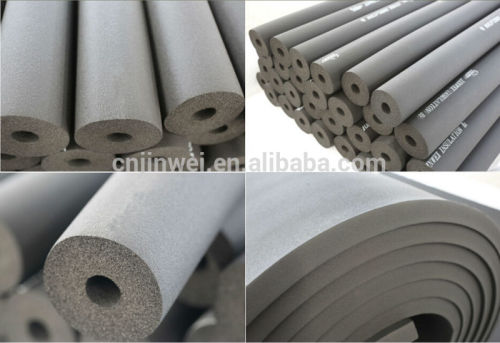
Choose materials designed for outdoor use and refrigeration, like closed-cell foam boards or reflective insulation. Check product specs carefully and avoid anything that feels cheap or flimsy. What materials are you considering for your fridge? Make sure they won’t cause more problems down the line.
Credit: collegeofems.com
Frequently Asked Questions
How Do I Insulate An Outdoor Fridge Effectively?
Use rigid foam insulation panels around the fridge. Seal gaps with spray foam. Cover with weatherproof materials to protect from moisture and UV damage. This reduces heat exchange and keeps the fridge energy-efficient outdoors.
What Materials Are Best For Outdoor Fridge Insulation?
Closed-cell spray foam, rigid foam boards, and reflective insulation are ideal. These materials resist moisture, provide strong thermal barriers, and withstand outdoor conditions well. Choose weather-resistant options to ensure durability and performance.
Can Insulation Improve My Outdoor Fridge’s Energy Efficiency?
Yes, proper insulation minimizes heat transfer and reduces compressor workload. This saves energy and prolongs the fridge’s lifespan. Insulating your outdoor fridge helps maintain consistent internal temperatures efficiently.
Should I Insulate The Fridge Door Separately?
Yes, insulating the door with foam or weatherstripping improves the seal. It prevents cold air leakage and reduces condensation. A well-insulated door enhances overall fridge efficiency outdoors.
Conclusion
Insulating your outdoor fridge is essential for efficiency. It keeps your fridge running smoothly. You save on energy bills. Plus, it extends the fridge’s lifespan. Easy steps make a big difference. Use proper materials for best results. It’s worth the effort.
Your food stays fresh longer. Enjoy cold drinks anytime. No more worries about heat. Protect your investment today. Follow these simple tips and enjoy peace of mind. Your fridge will thank you.
