
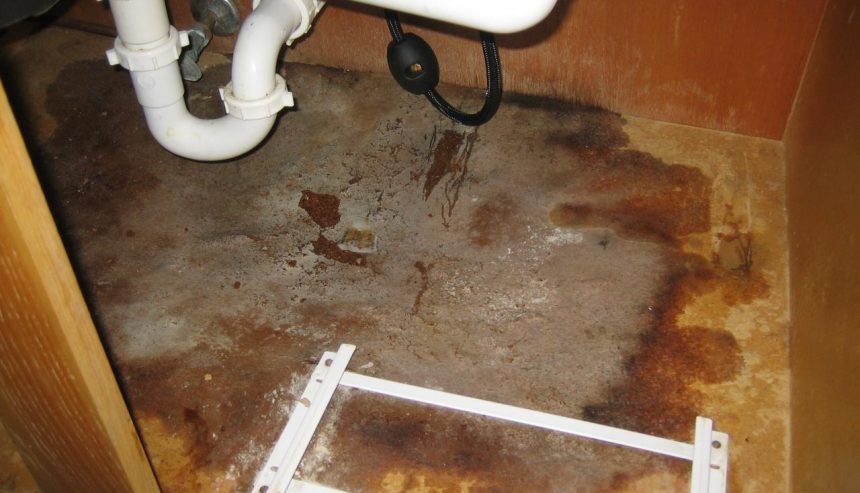
Are you tired of seeing your cabinets warp, swell, or develop mold because of moisture? Protecting your cabinets from water damage is easier than you think, and it can save you money and frustration down the road.
You’ll discover simple, practical steps you can take right now to keep your cabinets dry and looking great for years to come. Keep reading to learn how to shield your cabinets from moisture before it’s too late.

Credit: www.amazon.com
Causes Of Cabinet Moisture Damage
Understanding what causes moisture damage in cabinets is key to protecting your investment. Moisture can sneak in from many places, often unnoticed until the damage is visible. Identifying these causes helps you take targeted steps to keep your cabinets dry and durable.
Common Moisture Sources
Water leaks are the usual suspects behind cabinet moisture problems. Pipes under sinks or nearby appliances like dishwashers can drip or burst, letting water reach your cabinets.
Humidity in kitchens and bathrooms also plays a big role. Steam from cooking or hot showers increases moisture levels, which can settle on cabinet surfaces over time.
Condensation forms when warm air hits cooler cabinet surfaces, especially in poorly ventilated areas. This subtle source often goes unnoticed but causes steady moisture buildup.
Spills and splashes during daily use add up too. Even small amounts of water left on or around cabinets can soak in and cause damage if not wiped promptly.
Effects On Cabinet Materials
Wood cabinets absorb moisture quickly, causing them to swell, warp, or crack. This not only ruins their appearance but can make doors hard to open or close.
Laminated surfaces may bubble or peel when exposed to moisture repeatedly. The glue holding layers together weakens, leading to unsightly damage.
Metal components like hinges and handles can rust, reducing their lifespan and functionality. Rust stains can also transfer to the cabinet surface, creating more visible problems.
Even paint and finishes degrade with constant moisture exposure, leading to discoloration and a rough texture. This breaks down the protective layer, making cabinets more vulnerable.
Have you checked your cabinets lately for these subtle signs of moisture damage? Catching issues early can save you time and money on repairs.
Credit: gesealants.com
Choosing Moisture-resistant Materials
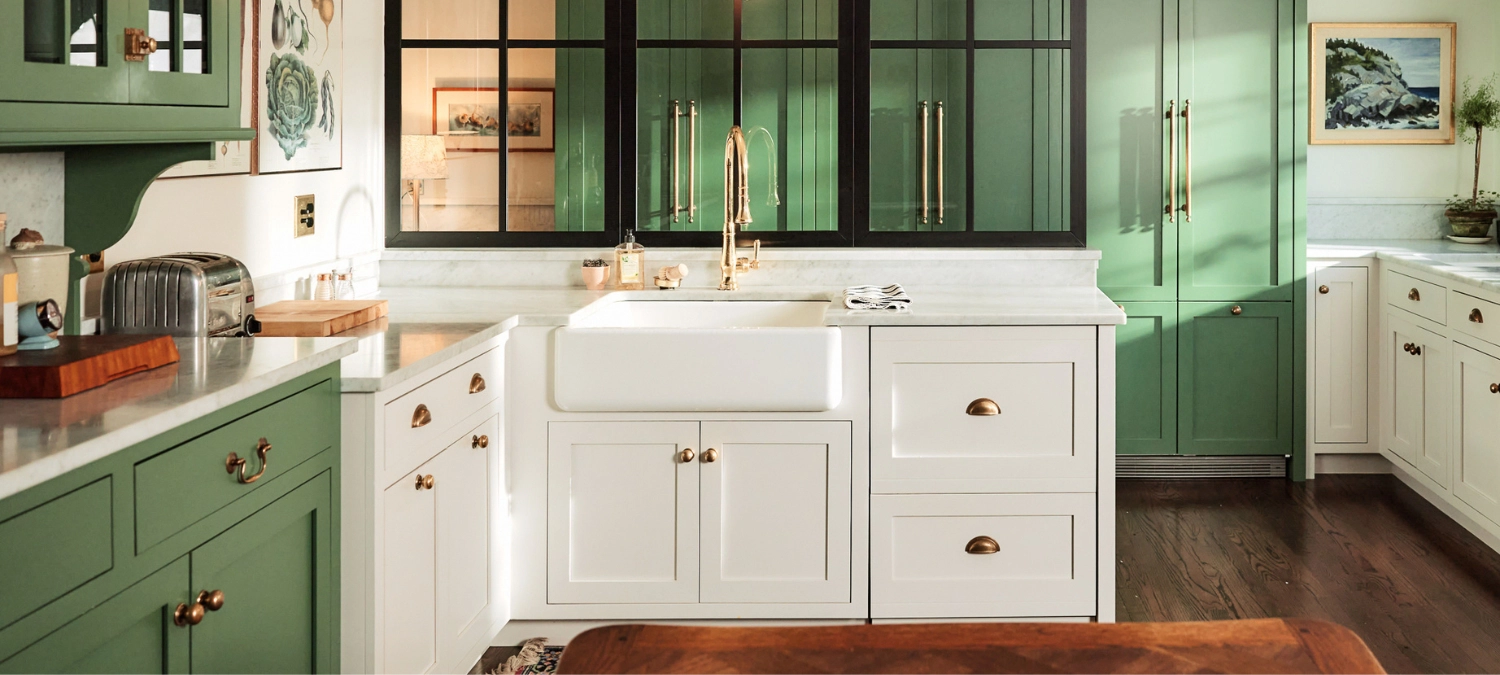
Choosing moisture-resistant materials is key to protecting cabinets from water damage. These materials prevent warping, swelling, and mold growth. They keep cabinets durable and looking good over time. Picking the right material saves money on repairs and replacements.
Best Wood Types
Some wood types resist moisture better than others. These woods naturally handle damp conditions and last longer.
- Teak:Dense and oily, teak resists water and decay well.
- Cedar:Contains natural oils that repel moisture and insects.
- Redwood:Has tight grain that limits water absorption.
- Mahogany:Durable wood with good moisture resistance.
Using these woods reduces the risk of water damage in kitchens and bathrooms.
Alternative Materials
Non-wood materials also protect cabinets from moisture. These often require less maintenance and offer strong durability.
- PVC:Plastic-based, waterproof, and easy to clean.
- Laminate:A plastic coating over particleboard, resists water effectively.
- Metal:Stainless steel cabinets resist rust and water damage.
- Thermofoil:Vinyl film over MDF, moisture-resistant and smooth.
These alternatives suit areas with high humidity or frequent water exposure.
Proper Cabinet Sealing Techniques
Proper cabinet sealing techniques are essential to keep moisture at bay and extend the life of your cabinets. Moisture can cause warping, swelling, and even mold growth, which damages the wood and affects your home’s air quality. Sealing creates a protective barrier that prevents water from penetrating the surfaces, especially in kitchens and bathrooms where humidity levels are high.
Applying the right sealant and following the correct process ensures your cabinets stay dry and durable. Have you ever noticed how a small leak under the sink can ruin a cabinet? That’s exactly what sealing helps you avoid.
Types Of Sealants
Choosing the right sealant depends on your cabinet material and where it is located. Here are common types to consider:
- Polyurethane:Offers a strong, clear finish that resists water and scratches. Ideal for wooden cabinets exposed to moisture.
- Silicone Caulk:Flexible and waterproof, perfect for sealing gaps around cabinet edges and joints.
- Shellac:A natural sealant good for light moisture protection but less durable in wet areas.
- Lacquer:Dries quickly and provides a hard, glossy finish but can be less moisture-resistant than polyurethane.
Think about where moisture is most likely to hit your cabinets before picking a sealant. Do you need a waterproof barrier or just protection against humidity?
Step-by-step Sealing Process
Sealing cabinets doesn’t have to be complicated if you follow a clear process.
- Clean the Surface:Remove dust, grease, and old finishes with a damp cloth and mild cleaner. A clean surface helps the sealant stick better.
- Sand the Cabinet:Lightly sand with fine-grit sandpaper to smooth the surface and open wood pores. Wipe away sanding dust afterward.
- Apply Primer (if needed):Some sealants work better with a primer, especially on bare wood. This step improves adhesion and durability.
- Seal the Cabinet:Use a brush or roller to apply the sealant evenly. Avoid thick layers to prevent drips and uneven drying.
- Let It Dry:Allow the sealant to dry as per manufacturer instructions before adding a second coat if necessary.
- Seal Gaps and Joints:Use silicone caulk around edges and seams to stop moisture from sneaking in.
Have you ever skipped a drying step only to find bubbles or peeling later? Patience pays off when sealing cabinets.

Credit: www.rasmussencc.com
Ventilation Strategies For Cabinets
Moisture can cause serious damage to your cabinets, leading to warping, mold, and unpleasant odors. Ventilation plays a crucial role in keeping your cabinets dry and extending their lifespan. Let’s look at practical ways you can improve ventilation to protect your cabinets effectively.
Improving Airflow
Good airflow helps reduce moisture buildup inside cabinets. You can create airflow by slightly spacing cabinet doors or installing small vents on the cabinet walls.
Another simple trick is to leave cabinet doors open occasionally, especially after cooking or cleaning, to let fresh air circulate. Adding moisture-absorbing materials like silica gel packs inside can also help maintain dry air.
Have you noticed a difference in your kitchen cabinets when you keep them slightly ajar after washing dishes? That small habit can prevent dampness and keep your cabinets smelling fresh.
Installing Ventilation Systems
For areas prone to high humidity, installing dedicated ventilation systems can be a game-changer. Exhaust fans or vent hoods that connect to the outside remove excess moisture quickly.
Consider adding passive vents at the back or bottom of cabinets to allow constant air exchange without needing electricity. These vents work quietly and efficiently to keep moisture at bay.
Think about your bathroom or laundry room cabinets—do you have an exhaust fan nearby? If not, adding one can prevent moisture buildup and protect your cabinetry from damage over time.
Regular Maintenance Practices
Regular maintenance keeps cabinets safe from moisture damage. It stops small problems before they grow. Simple care routines extend the life of your cabinets. Checking and cleaning often keeps wood dry and strong.
Cleaning Tips
Use a soft cloth to wipe cabinet surfaces. Avoid soaking wood with water. Choose mild soap mixed with water for cleaning. Dry surfaces immediately after wiping to prevent moisture buildup.
Clean spills right away to avoid stains and swelling. Use a vacuum or brush to remove dust from corners. Clean cabinet handles and hinges regularly to stop rust.
Inspecting For Damage
Look for signs of water stains or discoloration. Check for swelling, peeling, or warping of wood. Inspect edges and corners closely for cracks or gaps.
Examine cabinet bottoms and inside shelves for mold or mildew. Tighten loose screws and hinges to keep doors secure. Early detection of damage makes repairs easier and cheaper.
Preventive Measures For High-humidity Areas
High humidity can quickly damage your cabinets if you don’t take steps to control moisture levels. Preventive measures are essential to keep wood from warping, swelling, or developing mold. Simple tools and habits can make a big difference in protecting your cabinets in damp environments.
Using Dehumidifiers
Dehumidifiers are a powerful way to reduce moisture in the air around your cabinets. They pull excess water vapor from the environment, creating a drier atmosphere that prevents wood from absorbing moisture.
Choose a dehumidifier based on the size of your room or closet. For small spaces like bathroom cabinets, compact units work well. Larger rooms may require models with higher capacity to maintain consistent dryness.
I once installed a dehumidifier in my kitchen pantry where humidity was high. It stopped the musty smell and kept the cabinet doors from swelling. Would your cabinets benefit from less moisture sitting in the air?
Humidity Monitoring
Keeping an eye on humidity levels can help you act before damage occurs. Humidity monitors or hygrometers are affordable and easy to use tools that measure moisture in the air.
Place these devices near your cabinets to track changes daily. Aim to keep humidity below 60% to protect your wood surfaces.
Checking humidity regularly helped me catch a hidden leak early. The monitor showed rising moisture before any visible signs appeared on my cabinets. Could monitoring humidity save your cabinets from unseen damage?
Repairing Moisture Damage
Repairing moisture damage in cabinets is essential to maintain their strength and look. Moisture weakens wood, causing warping and mold. Fixing damage early saves money and prevents bigger problems.
Identifying Early Signs
Look for soft spots on cabinet surfaces. Check for discoloration or dark stains. Notice any swelling or warping of the wood. Smell for musty odors inside and around cabinets. Peeling paint or bubbled finishes also indicate moisture. Catching these signs early helps prevent further damage.
Diy Repair Methods
Start by drying the cabinet thoroughly. Use a fan or dehumidifier to remove moisture. Lightly sand damaged areas to remove soft or peeling wood. Apply wood filler to cracks or holes. Let the filler dry and sand it smooth.
Seal repaired areas with a waterproof primer. Finish with paint or varnish designed for moisture protection. Replace any hardware that shows rust or corrosion. Keep cabinet doors open during repairs for air flow. These steps restore the cabinet and reduce future moisture damage.
Frequently Asked Questions
How Can I Prevent Moisture Damage In Cabinets?
Use sealants or waterproof paints on cabinet surfaces. Maintain proper ventilation and control indoor humidity levels to reduce moisture buildup.
What Materials Resist Moisture Best For Cabinets?
Materials like marine plywood, PVC, and stainless steel resist moisture well. These materials prevent warping and mold growth in damp areas.
How Does Ventilation Protect Cabinets From Moisture?
Ventilation allows air circulation, reducing condensation inside cabinets. Installing vents or exhaust fans helps keep cabinets dry and prevents mold.
Can Moisture Absorbers Help Protect Cabinets?
Yes, moisture absorbers like silica gel or charcoal reduce humidity inside cabinets. They prevent dampness and keep contents dry and safe.
Conclusion
Protecting cabinets from moisture is essential for their longevity. Simple steps can prevent damage. Use dehumidifiers to control humidity levels. Ensure proper ventilation in the kitchen and bathroom. Regularly check for leaks or water stains. Choose water-resistant materials for new cabinets.
Seal the edges to block moisture entry. Regular maintenance keeps cabinets looking new. By following these tips, your cabinets will remain in great condition. Moisture damage can be costly. Prevention is always better than repair. Keep your cabinets safe and dry.
A little care goes a long way. Protect your investment wisely.
