
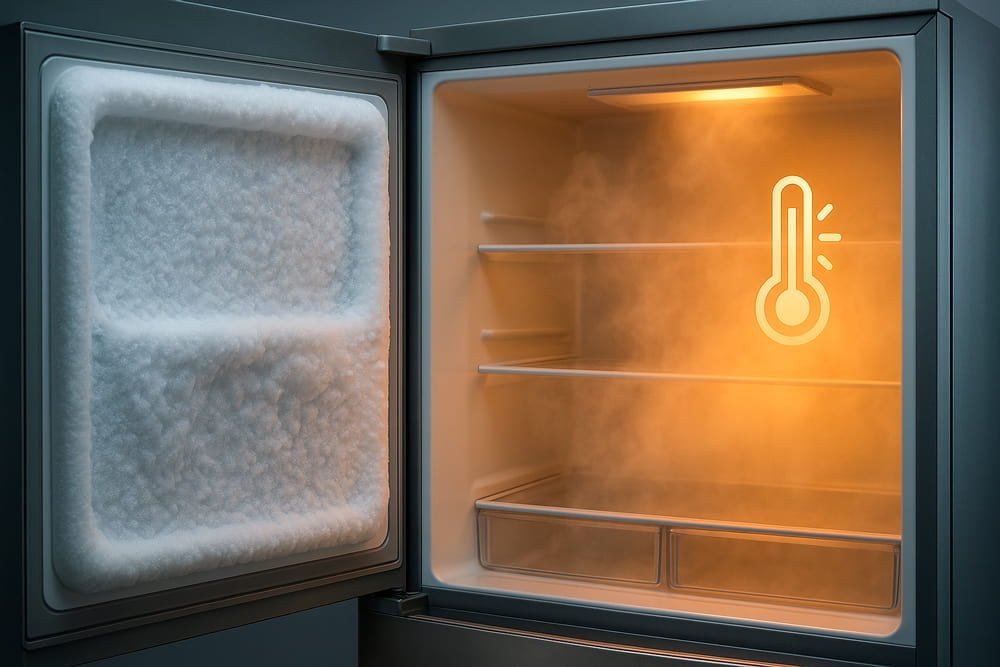
Is your outdoor fridge not cooling like it should? You rely on it to keep your drinks and food fresh during those warm days, but when it stops working properly, it can be frustrating.
Don’t worry—you’re not alone, and fixing it might be easier than you think. You’ll discover simple, effective steps to get your outdoor fridge back to its cool, refreshing best. Keep reading, because the solution could be just a few easy fixes away.

Credit: www.doityourself.com
Common Causes Of Cooling Issues
Outdoor fridges sometimes stop cooling properly. Several common problems cause this. Knowing these issues helps fix the fridge faster. Each cause affects the cooling in different ways. Understanding them makes troubleshooting easier and more effective.
Power Supply Problems
The fridge needs a steady power source to work. Loose plugs or damaged cords can stop the fridge. Faulty outlets or tripped breakers also cut power. Check the power connection first when cooling fails.
Dirty Condenser Coils
Condenser coils release heat from the fridge. Dirt and dust block these coils. Blocked coils make the fridge work harder and cool less. Cleaning the coils regularly keeps the fridge efficient.
Faulty Thermostat
The thermostat controls the fridge temperature. A broken thermostat sends wrong signals. The fridge may not cool or cool too much. Testing or replacing the thermostat can restore proper cooling.
Blocked Vents
Vents help air flow inside the fridge. Blocked vents stop cold air circulation. Food items or frost can block vents. Clearing vents allows cold air to spread evenly.
Refrigerant Leaks
Refrigerant moves heat out of the fridge. Leaks lower refrigerant levels, reducing cooling. Signs include warm spots or frost build-up. A professional can find and fix leaks safely.

Credit: www.angi.com
Basic Troubleshooting Steps
When an outdoor fridge stops cooling, simple checks can often fix the issue. Basic troubleshooting helps find the cause fast. Start by examining common problems that affect cooling. These steps help avoid costly repairs or replacements.
Follow these easy actions to spot and solve the problem. They keep your fridge running well and your food fresh.
Check Power Connection
Verify the fridge is plugged in properly. Look for loose or damaged cords. Make sure the outlet works by testing it with another device. A steady power supply is vital for cooling.
Clean Condenser Coils
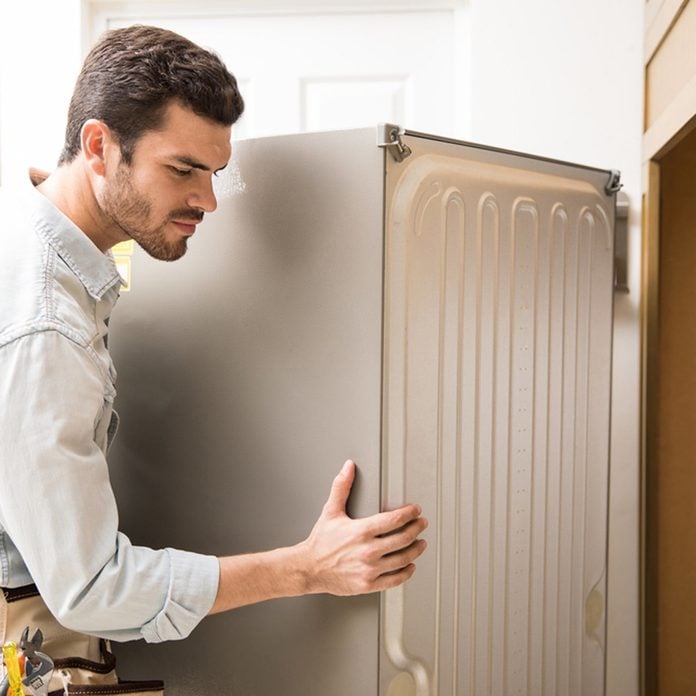
Dirty coils reduce cooling ability. Use a brush or vacuum to remove dust and debris. Clean coils improve airflow and fridge performance. Check coils at least twice a year for best results.
Inspect Door Seals
Door seals keep cold air inside. Look for cracks, gaps, or worn-out areas. Replace damaged seals to stop cold air from escaping. Proper seals save energy and maintain temperature.
Ensure Proper Ventilation
Good airflow around the fridge helps it cool efficiently. Avoid placing the fridge too close to walls or other objects. Keep vents clear of dirt and obstructions. Adequate ventilation prevents overheating.
Advanced Fixes For Cooling Problems
When your outdoor fridge stops cooling effectively, simple fixes might not be enough. Advanced troubleshooting can get your fridge back to the right temperature and keep your food fresh. These solutions require a bit more technical skill but can save you from costly replacements.
Reset Or Replace Thermostat
The thermostat controls the fridge’s temperature. If it’s faulty, your fridge won’t cool properly. Try resetting it first by unplugging your fridge for a few minutes, then plugging it back in. This can clear any glitches causing incorrect readings.
If resetting doesn’t help, consider replacing the thermostat. A new thermostat ensures accurate temperature control. You can find compatible models online or at appliance stores. Always double-check the model number before buying to avoid mismatches.
Recharge Refrigerant
Low refrigerant levels can stop your fridge from cooling. Refrigerant leaks are common in outdoor units due to weather exposure. You’ll notice the fridge running constantly but not getting cold enough.
Recharging refrigerant is a precise task. It involves locating leaks, repairing them, and refilling the gas to proper levels. This usually requires special equipment and certifications, so hiring a professional is often the safest choice.
Repair Or Replace Compressor
The compressor is the heart of your fridge’s cooling system. If it’s damaged, your fridge won’t maintain cold temperatures. Signs of a bad compressor include loud noises or the fridge not starting at all.
Minor compressor issues might be fixable by a technician, but often replacement is necessary. Replacing a compressor can be costly but extends the life of your fridge significantly. Before committing, ask yourself if repair or replacement makes more financial sense based on your fridge’s age and condition.
Credit: www.familyhandyman.com
Maintenance Tips To Prevent Future Issues
Maintaining your outdoor fridge regularly helps it run smoothly for years. Simple care steps stop many cooling problems before they start. Small efforts save money and time on repairs later.
Regular Cleaning Schedule
Keep the fridge clean inside and out to improve cooling. Dirt and dust block airflow and reduce efficiency. Wipe shelves and walls with mild soap and water weekly. Clean condenser coils every few months using a soft brush. Clear debris around vents to allow proper air circulation. A clean fridge uses less energy and cools better.
Avoid Overloading
Do not pack the fridge too full. Overloading blocks air vents inside the fridge. This stops cool air from spreading evenly. Leave space between items for air to flow freely. Organize food so the fridge door opens quickly. Overloading causes the compressor to work harder and wear out faster.
Protect From Weather Elements
Outdoor fridges face rain, sun, and dust. Protect it with a weatherproof cover when not in use. Place the fridge in a shaded area to avoid direct sunlight. Avoid placing it near heat sources like grills or heaters. Check seals and doors regularly to keep moisture out. Proper protection prevents damage and keeps the fridge cooling well.
When To Call A Professional
Knowing when to call a professional for your outdoor fridge saves time and avoids bigger problems. Some issues need expert tools and skills beyond simple fixes. Early action by a technician can prevent costly repairs later.
Trusting a pro ensures safety and proper handling of fridge parts. It helps protect your appliance and your home environment. Recognize these signs and take the right step without delay.
Signs Of Major Mechanical Failure
- Fridge runs constantly without cooling properly
- Unusual loud noises like grinding or buzzing
- Ice buildup inside or around the fridge
- Water leaks under or around the unit
- Fridge door won’t seal tightly
- Electrical issues such as frequent tripping of breakers
Safety Precautions
- Unplug the fridge before inspecting or cleaning
- Avoid touching electrical parts with wet hands
- Do not try to fix sealed refrigerant leaks
- Use gloves when handling sharp or cold components
- Keep children and pets away during repairs
- Call a qualified technician for complex mechanical problems
Frequently Asked Questions
Why Is My Outdoor Fridge Not Cooling?
An outdoor fridge may not cool due to power issues, thermostat problems, or blocked vents. Check the power supply and ensure the thermostat is set correctly. Clean any dust or debris blocking the vents. Regular maintenance and cleaning can prevent cooling issues and extend the fridge’s lifespan.
How Do I Reset My Outdoor Fridge?
To reset your outdoor fridge, unplug it for a few minutes. Plug it back in and adjust the thermostat settings to the desired temperature. This simple reset can resolve minor issues and restore optimal cooling performance. Regularly resetting your fridge can help prevent potential problems.
What Can Cause Compressor Failure In Outdoor Fridges?
Compressor failure in outdoor fridges can result from overheating, electrical issues, or wear and tear. Ensure adequate ventilation and check for electrical faults. Routine maintenance and avoiding overloading can prolong the compressor’s life. A professional assessment may be needed if the problem persists.
How Often Should I Clean My Outdoor Fridge?
Cleaning your outdoor fridge every three months is recommended. This prevents dust buildup and ensures efficient cooling. Regular cleaning helps maintain optimal performance and reduces energy consumption. Pay special attention to coils, fans, and vents. Keeping the fridge clean can prevent many common cooling issues.
Conclusion
Fixing an outdoor fridge that won’t cool can save time and money. Start by checking the power supply and thermostat settings. Clean the coils and ensure proper ventilation around the fridge. Clear any blockages in the drain or vents. Sometimes, a simple reset or defrosting helps.
Regular maintenance prevents future problems. Stay patient and follow each step carefully. A cool fridge means fresh food and drinks outdoors. Keep your fridge working well for many seasons. Easy fixes can make a big difference.
