

Have you ever looked at your kitchen apron and wondered if bleach could bring it back to life? Your apron works hard, catching spills and stains that regular washing just can’t erase.
But before you grab that bottle of bleach, it’s important to know if it’s safe for your apron’s fabric and how to use it without causing damage. You’ll discover everything you need to know about bleaching kitchen aprons—so you can keep yours fresh, clean, and ready for your next cooking adventure.
Keep reading to find out the simple steps that will save your apron and make it look like new again.

Credit: seedsprout.com.au
Types Of Kitchen Aprons
Kitchen aprons come in different fabric types. Cotton is soft and easy to clean. Polyester lasts longer and resists stains. Denim is tough and good for heavy work. Linen feels light but wrinkles fast.
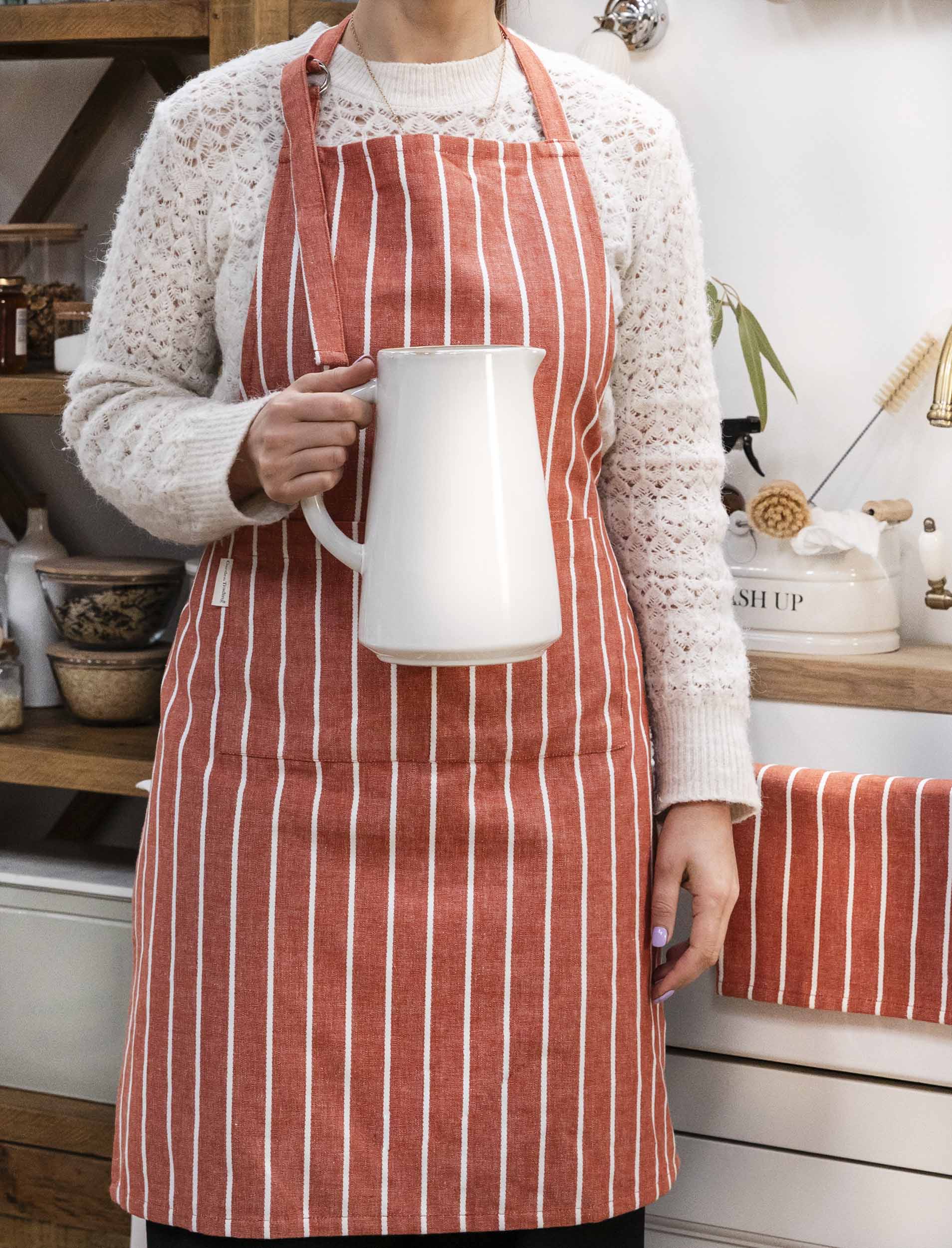
Color choice affects how aprons look after bleaching. White aprons bleach well and stay bright. Dark colors may fade or get spots. Bright colors can change to lighter shades. Always check the fabric label before bleaching.
Credit: www.gardentrading.co.uk
When To Use Bleach
Bleach works well for white or colorfast kitchen aprons stained with tough spots. Avoid bleach on aprons with bright colors or delicate fabrics to prevent damage. Always test a small area first before using bleach widely.
Stain Severity
Bleach is best for tough stainslike wine, coffee, or grease. Light stains may not need bleach. Use bleach only if stains do not wash out with regular detergent. Too much bleach can damage aprons.
Fabric Durability
Strong fabrics like cotton can handle bleach better. Delicate fabrics like polyester or silk may get damaged or lose color. Always check the apron’s label before bleaching. Test a small area first to avoid damage.
Choosing The Right Bleach
Chlorine bleachis very strong and can whiten aprons quickly. It works well on white fabrics but can damage colors and some materials. Use it carefully and never mix it with other cleaners.
Oxygen bleachis gentler and safer for colored aprons. It removes stains without harming fabric fibers. It is also better for the environment.
| Type of Bleach | Best For | Effect on Fabric | Environmental Impact |
|---|---|---|---|
| Chlorine Bleach | White cotton aprons | Strong, may damage colors | Harsh, less eco-friendly |
| Oxygen Bleach | Colored and delicate fabrics | Gentle, preserves colors | Eco-friendly, biodegradable |
- Eco-friendly optionsinclude oxygen bleach and natural stain removers.
- These options protect fabric and reduce chemical waste.
- They work well for regular cleaning and light stains.
Bleaching Safety Tips
Wear glovesand eye protectionto avoid bleach contact. Bleach can hurt your skin and eyes. Use old clothes or an apron to protect your body. Avoid touching your face while using bleach. Keep a bottle of water nearby in case of spills.
Good ventilationis very important. Open windows and doors to let fresh air in. Use a fan if you have one. Bleach fumes can cause coughing or headaches. Fresh air helps keep the room safe and comfortable.
Step-by-step Bleaching Process
Start by checking the apron’s fabric care label. Use gloves to protect your hands. Spot clean tough stains with a mild detergent before bleaching. Avoid bleach on aprons with colors that might fade.
Mix bleach with water carefully. A common ratio is one part bleach to four parts water. Soak the apron in the diluted solution. Let it sit for about 5-10 minutes. Do not leave it too long to prevent damage.
Rinse the apron well with cold water until all bleach is gone. Wash the apron separately in warm water with detergent. Dry it in the sun if possible to brighten white fabrics.

Credit: dinnerwithbarkley.com
Alternatives To Bleach
Bleach can damage kitchen aprons, especially those with colors or delicate fabrics. Gentle alternatives like baking soda, vinegar, or lemon juice brighten aprons safely without harsh chemicals. These options keep aprons clean and fresh without weakening the fabric.
Natural Whitening Agents
Natural options can brighten kitchen aprons safely. Lemon juice acts as a mild bleach and freshener. Baking soda removes stains and odor. White vinegar softens fabric and helps brighten colors. Sunlight naturally whitens fabrics by breaking down stains. These agents are gentle and eco-friendly choices.
Commercial Brighteners
Many stores sell safe laundry brighteners. Oxygen-based bleach is less harsh than chlorine bleach. It removes stains without damaging fabric. Color-safe bleach keeps colors bright without fading. Fabric whiteners and boosters enhance cleaning power. Always follow label instructions for best results.
Maintaining Apron Brightness
Kitchen aprons can get dirty fast. Regular cleaninghelps keep them bright. Use mild detergent and warm water. Avoid bleach on colored aprons to stop fading. For white aprons, a small amount of bleach may help but test on a small spot first.
- Wash aprons after each use to avoid stains setting.
- Use gentle stain removers for tough spots.
- Air dry aprons to keep fabric strong.
Store aprons in a dry, clean place. Folding them neatly prevents wrinkles. Avoid storing aprons in damp areas to stop mold. Hanging aprons on hooks can keep them ready to use.
Frequently Asked Questions
Can You Bleach All Types Of Kitchen Aprons?
No, not all aprons can be bleached. Cotton aprons usually tolerate bleach well, but synthetic fabrics may get damaged or discolor. Always check the care label before bleaching your kitchen apron to avoid ruining it.
How To Safely Bleach A Kitchen Apron?
Dilute bleach with water before use, usually one part bleach to five parts water. Soak the apron for a few minutes, then rinse thoroughly. Always wear gloves and work in a well-ventilated area to ensure safety.
Will Bleach Remove Tough Stains From Aprons?
Yes, bleach effectively removes tough stains like food and wine on white cotton aprons. However, it may not work well on colored or delicate fabrics, which can fade or weaken with bleach.
Can Bleach Damage My Kitchen Apron?
Yes, bleach can weaken or discolor fabric if used improperly. Overuse or high concentration may cause holes and fading. Always follow care instructions and test on a small area first.
Conclusion
Bleaching kitchen aprons can be tricky. Always check the fabric type first. Cotton aprons handle bleach well. Synthetic ones might not. Test a small area before bleaching. This prevents unwanted damage. Use gloves to protect your hands. Rinse thoroughly to remove bleach residue.
Air dry for best results. Clean aprons enhance kitchen hygiene. Bright, fresh aprons boost your mood too. Follow care instructions for longevity. With these tips, keep your aprons looking new. Enjoy a clean, bright kitchen experience.
