
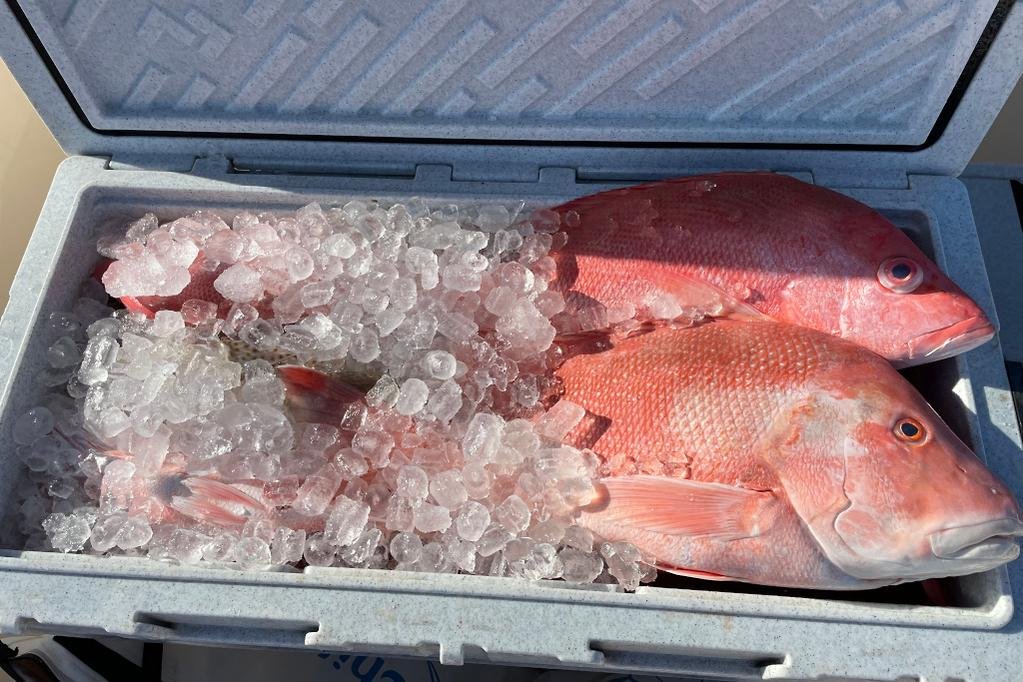
If you love fresh seafood, you know how quickly it can spoil if not stored properly. But did you know that the way you store seafood in your cooler can make all the difference between a delicious meal and a waste of money?
You want your catch or purchase to stay fresh, safe, and tasty for as long as possible. This guide will show you simple, effective steps to keep your seafood perfectly chilled every time. Keep reading, and you’ll never worry about spoiled seafood again.
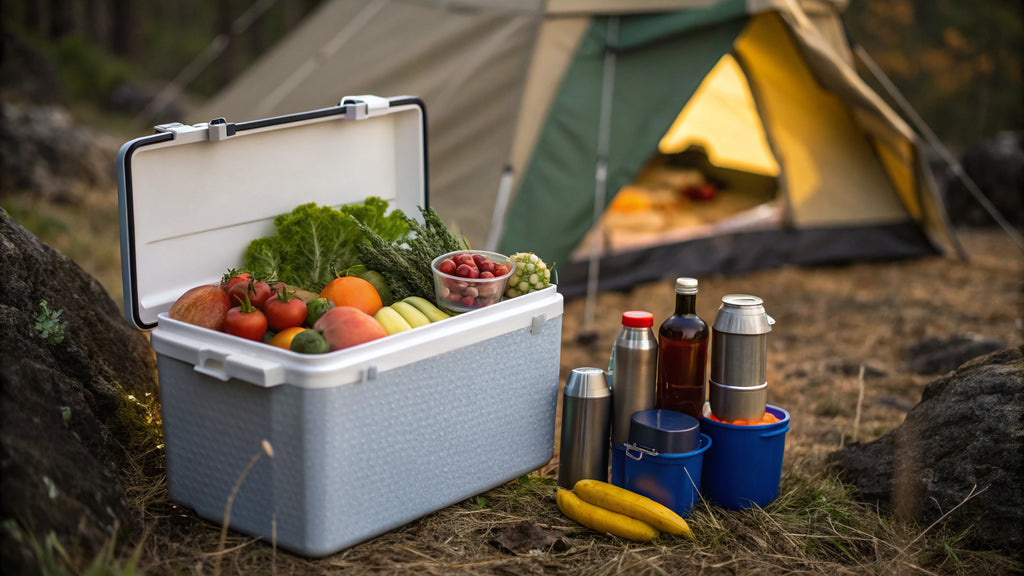
Credit: www.battlbox.com
Choosing The Right Cooler
Choosing the right cooler is key to keeping your seafood fresh and safe during transport or storage. The cooler you pick affects how long your catch stays cold and how easy it is to carry. You want a cooler that fits your specific needs, whether you’re going on a fishing trip or just storing seafood at home.
Insulation Types
Not all coolers keep ice frozen the same way. Look for coolers with thick, high-quality insulation like polyurethane foam. These coolers hold cold temperatures longer, which means your seafood stays fresh for hours or even days.
Some coolers use vacuum insulation panels, which are more expensive but offer superior cooling performance. Think about how long you need to keep your seafood cold and choose insulation that matches that time frame.
Size Matters
Pick a cooler size based on how much seafood you usually store or carry. A cooler too small will force you to cram your seafood, which can damage it and reduce airflow. Too large, and you’re carrying unnecessary weight and taking up extra space.
Think about your typical haul. Do you bring back a few fillets or a whole day’s catch? Choosing the right size means less wasted space and better temperature control.
Portability Features
Seafood storage often means moving the cooler around. Check for features like sturdy handles, wheels, or even backpack straps if you need to hike with your catch. These details can make a big difference in comfort and convenience.
Ask yourself: Will you be carrying this cooler long distances or just loading it into a car? The right portability features help you avoid strain and keep your seafood safe from bouncing around too much.

Credit: www.wildfish.nz
Preparing Seafood For Storage
Preparing seafood for storage in a cooler is key to keeping it fresh and safe to eat. Proper preparation slows down spoilage and protects the seafood’s natural flavor. Clean, dry, and cool seafood lasts longer and tastes better.
Follow simple steps before placing seafood in the cooler. These steps include cleaning, drying, wrapping, and using ice packs correctly. Each step helps maintain the best quality during storage.
Cleaning And Gutting
Rinse seafood thoroughly under cold water. Remove any dirt, scales, or debris carefully. For fish, gut it by making a small cut along the belly. Take out the internal organs and rinse the cavity well. Cleaning reduces bacteria and keeps the seafood fresh longer.
Drying And Wrapping
Pat seafood dry with paper towels to remove excess moisture. Wrap each piece tightly in plastic wrap or aluminum foil. Use airtight bags or containers to prevent air exposure. Drying and wrapping stop freezer burn and keep flavors intact.
Using Ice Packs
Place ice packs at the bottom of the cooler. Add a layer of seafood on top, then cover with more ice packs. Use crushed ice or gel packs for even cooling. Keep the cooler closed to maintain low temperature. Ice packs help keep seafood cold and safe during storage.
Optimal Temperature Settings
Keeping seafood fresh in a cooler depends largely on maintaining the right temperature. Too warm, and bacteria multiply rapidly, ruining your catch. Too cold, and you risk freezing delicate seafood, which can affect texture and flavor.
Ideal Cooling Range
Your cooler should be set between 32°F and 38°F (0°C to 3°C) to keep seafood safe and fresh. This range slows bacterial growth without freezing your catch. If your cooler has a built-in thermostat, adjust it carefully to stay within this window.
Have you ever noticed how fish stored just above freezing lasts longer? That’s because the cold temperature keeps enzymes in check while preserving moisture.
Monitoring Temperature
Using a reliable thermometer is key to tracking the cooler’s temperature. Place it near the seafood, not just at the top. You want an accurate reading where the seafood sits.
- Check the temperature regularly, especially if you open the cooler often.
- Consider digital thermometers with alerts to notify you of temperature changes.
- Keep a log to notice trends and adjust settings before problems arise.
Preventing Temperature Fluctuations
Every time you open the cooler, cold air escapes and warm air rushes in. This causes temperature swings that can spoil seafood faster. Limit opening the cooler to only when necessary.
Use ice packs or crushed ice evenly distributed around the seafood to maintain a consistent temperature. Adding a layer of insulation inside the cooler can also help keep the cold in and the heat out.
Have you tried pre-chilling your cooler before adding seafood? It makes a noticeable difference by reducing initial temperature spikes.
Arranging Seafood In The Cooler
Properly arranging seafood in your cooler is key to keeping it fresh and safe to eat. How you place each item affects how well the cooler maintains cold temperatures and prevents spoilage. A neat and thoughtful layout not only saves space but also protects your catch from damage and contamination.
Layering Techniques
Start by placing a thick bed of ice at the bottom of the cooler. Arrange heavier and sturdier seafood, like lobsters or crabs, directly on the ice to keep them chilled without squishing delicate items.
Next, add a layer of softer seafood, such as fillets or shrimp, on top. Use ice packs or crushed ice between layers to maintain consistent coldness throughout the cooler.
Keep a small gap between layers for air circulation. This simple step helps your seafood stay fresh longer by preventing warm spots inside the cooler.
Separating Different Types
Separate fish from shellfish to avoid flavor transfer. You don’t want your flaky white fish tasting like clams or mussels.
Use sealed containers or plastic bags to hold different seafood types. This keeps juices from mixing and makes it easier to find what you need without disturbing the entire cooler.
Think about the order you’ll use your seafood. Place items you’ll cook first near the top for quick access, reducing the time the cooler stays open.
Avoiding Cross-contamination
Cross-contamination can spoil your seafood and cause foodborne illness. Always keep raw seafood separate from cooked or ready-to-eat items.
Use clean, waterproof containers and avoid placing seafood directly on cooler surfaces. This prevents bacteria from spreading and keeps your cooler hygienic.
Wash your hands and utensils before handling seafood. It’s a small step that makes a big difference in keeping your seafood safe and delicious.
Maintaining Cooler Conditions
Maintaining the right cooler conditions is vital for keeping seafood fresh. A well-kept cooler slows spoilage and prevents bacteria growth. It also keeps seafood firm and tasty. Paying attention to cooler care helps extend the freshness of your catch.
Draining Melted Ice
Water from melted ice can make seafood soggy. Drain the water often to keep seafood dry. Use the cooler’s drain plug or carefully tilt it to pour out water. Keeping seafood above water helps maintain its texture and flavor.
Regularly Checking Ice Levels
Ice melts over time, lowering cooler temperature. Check ice levels every few hours, especially in warm weather. Add fresh ice to keep the cooler cold. Maintaining steady ice keeps seafood safe and fresh longer.
Keeping The Cooler Closed
Open cooler doors let warm air inside. Keep the cooler closed as much as possible. Only open it briefly to get seafood or ice. This keeps the cold air trapped and slows ice melting.
Transporting Seafood Safely
Transporting seafood safely is key to keeping it fresh and tasty. Seafood spoils quickly when exposed to heat or rough handling. Proper transport helps maintain its quality and prevents foodborne illnesses. Use these simple tips to protect your seafood during travel.
Minimizing Movement
Keep seafood steady inside the cooler to avoid damage. Place it in sealed containers or bags to prevent spills. Use towels or foam to fill empty spaces. This stops seafood from shifting and bruising during transport.
Using Additional Insulation
Extra insulation keeps seafood cold longer. Add ice packs or gel packs around the seafood. Wrap seafood in plastic or foil to block moisture. Use thick towels or bubble wrap for added protection. This helps maintain a safe temperature throughout the trip.
Timing Your Travel
Plan your trip to reduce time outside refrigeration. Start early in the day when temperatures are cooler. Avoid long stops that let the cooler warm up. Unload seafood quickly and put it in cold storage as soon as possible.
Signs Of Spoilage To Watch
Knowing the signs of spoilage is crucial when storing seafood in a cooler. Spoiled seafood not only tastes bad but can also cause serious health issues. Keep an eye out for subtle changes that signal your seafood is no longer fresh.
Changes In Smell
Fresh seafood should have a mild, ocean-like scent. If you notice a strong, ammonia-like or sour smell, it’s a clear sign the seafood has gone bad.
I once ignored a faint off-putting odor from shrimp, thinking it was normal. Within hours, it caused stomach discomfort for everyone at dinner. Don’t let a slight change in smell fool you.
Texture Differences
Seafood should feel firm and slightly springy to the touch. If it feels slimy, mushy, or sticky, it’s likely spoiled.
Touch your seafood gently; if it leaves an indentation or feels unusually soft, that’s a red flag. Texture changes happen as bacteria break down the flesh, so trust your fingers as much as your eyes.
Color Variations
Look for vibrant, natural colors in your seafood—bright pinks, whites, or translucent flesh. Dull, grayish, or brownish hues indicate spoilage.
For example, fresh salmon has a rich orange-pink color. When it starts turning pale or has dark spots, it’s time to toss it out. Have you ever noticed how subtle color shifts can warn you before the smell does?

Credit: www.boatsales.com.au
Frequently Asked Questions
How Do You Keep Seafood Fresh In A Cooler?
To keep seafood fresh, place it on ice inside a sealed container. Ensure the cooler is well-insulated and keep the temperature below 40°F. Drain melted ice regularly to avoid water contact, which can spoil the seafood quickly.
What Is The Best Ice Type For Storing Seafood?
Crushed ice is ideal because it surrounds seafood evenly, keeping it colder longer. It also drains easily, preventing seafood from sitting in water, which can cause spoilage and affect the texture and taste.
How Long Can Seafood Stay Fresh In A Cooler?
Seafood can stay fresh for up to 48 hours in a properly iced cooler. Keep the temperature consistently below 40°F and avoid opening the cooler frequently to maintain cold conditions.
Should Seafood Be Wrapped Before Placing In Cooler?
Yes, wrap seafood in airtight plastic or vacuum-sealed bags to prevent contamination. Wrapping also helps retain moisture and prevents the seafood from absorbing other odors inside the cooler.
Conclusion
Storing seafood properly in a cooler is essential for freshness. Always use plenty of ice. Keep the seafood cold and at a consistent temperature. A tightly sealed cooler prevents contamination. Remember to drain excess water regularly. This keeps the seafood from getting soggy.
Organize the cooler efficiently. This helps maintain the cold chain. A well-packed cooler ensures seafood stays fresh and tasty. Follow these steps. Enjoy safe and delicious seafood on your next trip. Happy travels!
