
Are you tired of your cooler losing its chill too fast? Keeping your drinks and food cold for hours isn’t just about buying an expensive cooler—it’s about how well you insulate it.
Imagine opening your cooler and finding ice still solid after a long day outdoors. Sounds great, right? You’ll discover simple, effective ways to insulate your cooler like a pro. These tips will help you save money, keep your items fresh, and enjoy every adventure without worrying about warm drinks or melted ice.
Ready to learn how to make your cooler work harder for you? Keep reading!

Credit: www.reddit.com
Types Of Cooler Insulation
Choosing the right insulation for your cooler can make a huge difference in how long it keeps your items cold. Different types of insulation offer unique benefits and challenges. Understanding these types helps you decide what fits your needs and budget.
Foam Insulation Varieties
Foam insulation is one of the most common types used in coolers. It comes in several forms like polyurethane foam, polystyrene foam, and polyethylene foam.
Polyurethane foam is dense and offers excellent thermal resistance. Many high-end coolers use this because it keeps ice frozen for days. Polystyrene foam is lighter and cheaper but less effective at insulation.
Think about how long you need your cooler to stay cold. If you want something lightweight for short trips, polystyrene might work well. For longer outings, polyurethane foam is often worth the extra cost.
Vacuum Insulation Panels
Vacuum insulation panels (VIPs) are a newer, high-tech option. They work by removing air between two layers, creating a vacuum that greatly reduces heat transfer.
VIPs are thinner and more efficient than foam, making your cooler slimmer without sacrificing performance. However, they are more expensive and can be fragile if not handled carefully.
Have you ever noticed how some portable coolers seem bulky? VIPs can solve that by offering powerful insulation in a compact form. If space and weight matter to you, VIPs might be worth considering.
Reflective Barriers
Reflective barriers use shiny surfaces to reflect heat away from the cooler. These are often thin layers of aluminum foil or metallized films inside the cooler walls.
While reflective barriers don’t provide much insulation by themselves, they work great when combined with foam or other insulators. They reflect radiant heat, which helps keep the cooler’s interior temperature down.
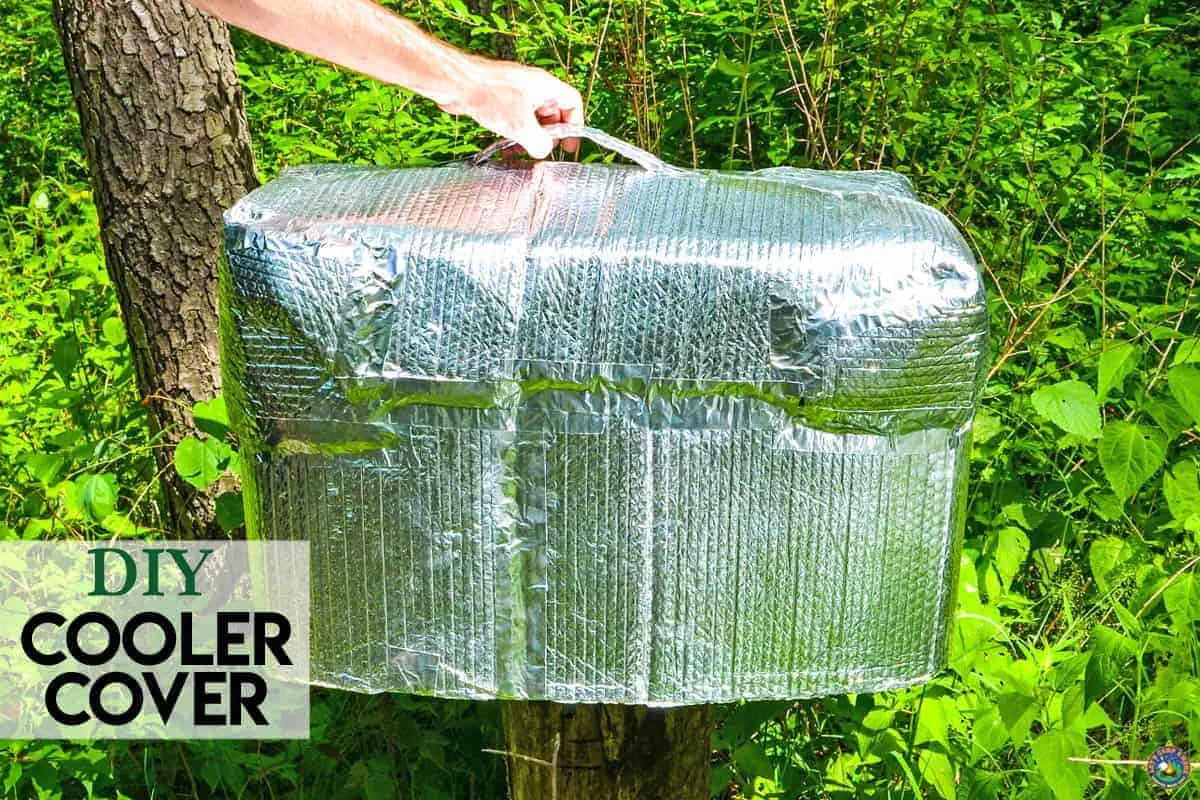
Have you tried wrapping your cooler in a reflective emergency blanket? This simple trick shows how reflective barriers can add an extra layer of protection. Combining different insulation types often gives the best results.
Choosing The Right Insulation Material
Choosing the right insulation material for your cooler can make a huge difference in keeping your items cold longer and saving energy. You want something that balances cost, durability, and environmental friendliness without compromising performance. Let’s break down these factors so you can make the best decision for your needs.
Performance Vs Cost
Not all insulation materials offer the same level of thermal protection. Materials like polyurethane foam provide excellent insulation but tend to be pricier. On the other hand, expanded polystyrene (EPS) is cheaper but may not keep things cold as long.
Ask yourself: how long do you need your cooler to maintain temperature? If you’re going on a short trip, a budget-friendly material might work. For longer outings or heavy use, investing more upfront can save you hassle and money in the long run.
Durability Considerations
Think about how often and where you’ll use your cooler. Some insulation materials break down quickly under rough handling or exposure to moisture. Closed-cell foam, for example, resists water and physical damage better than open-cell options.
I once chose a cooler with cheap insulation that crumbled after a few months. It was frustrating to replace it so soon. A more durable material might have cost more initially but would have lasted much longer.
Environmental Impact
Do you want your cooler to be eco-friendly? Some insulation materials release harmful gases during production or don’t break down easily in landfills. Natural materials like wool or recycled denim offer greener alternatives but may cost more or have different performance levels.
Consider how important sustainability is in your choice. Can you find a balance between good insulation and a smaller carbon footprint? Your decision can contribute to reducing waste and pollution.
Preparing The Cooler For Insulation
Preparing your cooler for insulation sets the foundation for effective temperature control. This stage ensures the cooler is clean, dry, and ready for new insulating materials. Proper preparation helps the insulation last longer and work better.
Focus on removing dirt, moisture, and old materials. Check the cooler’s structure for any damage or weak spots. These simple steps can improve insulation results significantly.
Cleaning And Drying
Start by washing the cooler inside and out with warm, soapy water. Use a soft brush or cloth to scrub away dirt and stains. Rinse well to remove all soap residues.
Dry the cooler completely. Use a towel and let it air dry for several hours. Moisture inside can cause mold and reduce insulation effectiveness.
Removing Existing Materials
Check for old insulation or foam inside the cooler walls. Remove any damaged or crumbling material carefully. Use a scraper or brush to clear out leftover debris.
Dispose of old materials properly. Clearing the space ensures new insulation sticks well and fits properly.
Assessing Cooler Structure
Look over the cooler’s body for cracks, holes, or weak spots. Small damages can allow cold air to escape. Use sealant or tape to fix minor issues before adding insulation.
Check hinges and seals on the lid too. Tight seals keep cool air inside and boost insulation performance.

Credit: www.reddit.com
Diy Insulation Techniques
DIY insulation techniques help keep your cooler cold longer. Simple materials and small changes improve insulation significantly. These easy steps save money and enhance cooler performance.
Adding Foam Panels
Foam panels add a thick barrier to your cooler’s walls. Cut panels to fit the inside surface precisely. Use spray adhesive or double-sided tape to attach them. Foam traps cold air and slows heat transfer. Thicker panels provide better insulation but reduce internal space.
Using Reflective Foil
Reflective foil blocks radiant heat from entering the cooler. Line the interior walls with foil facing inward. Smooth out wrinkles to reflect heat effectively. This type of insulation is thin but very effective. It works best combined with foam panels for extra protection.
Sealing Gaps And Cracks
Gaps let cold air escape and warm air enter. Use weather stripping or silicone sealant to close all openings. Check around hinges, lids, and corners carefully. Proper sealing keeps the cooler airtight and improves insulation. Small leaks can reduce cooling time drastically.
Professional Insulation Options
Professional insulation options offer efficient ways to keep coolers colder for longer. These methods use advanced materials and technology to block heat transfer effectively. They suit various cooler types and needs, providing durable and reliable insulation.
Spray Foam Applications
Spray foam is a popular choice for insulating coolers. It expands to fill gaps, creating an airtight seal. This foam reduces heat entry and helps maintain low temperatures inside. Professionals apply it evenly, ensuring full coverage and strong insulation.
Custom Vacuum Panels
Custom vacuum panels provide high insulation with minimal thickness. These panels remove air to reduce heat conduction significantly. They fit precisely inside cooler walls for maximum efficiency. This method keeps coolers light and easy to carry.
Thermal Wraps
Thermal wraps are flexible layers that reflect heat away from the cooler. They often combine reflective foil with insulating foam. Thermal wraps are easy to install and improve a cooler’s temperature retention. They work well as an additional insulation layer.
Maintaining Maximum Cold Retention
Keeping your cooler cold for as long as possible depends on how well you maintain its cold retention. Small adjustments can make a big difference in preserving ice and chilling your items effectively. You don’t need fancy gadgets—just smart habits that limit heat transfer and keep the cold locked inside.
Proper Ice Packing
How you pack ice directly affects how long your cooler stays cold. Use large blocks of ice instead of small cubes because they melt slower and last longer. Layering ice around your items rather than just on top helps maintain an even temperature throughout.
Try placing a layer of ice at the bottom, then your food or drinks, followed by more ice on top. This sandwich method traps cold air and keeps everything chilled. Have you noticed how crushed ice melts faster? Avoid it if you want extended cold retention.
Minimizing Air Exchange
Every time you open your cooler, warm air rushes in, and cold air escapes. This exchange speeds up ice melting and raises the temperature inside. Limit how often you open the cooler and think about organizing your items before opening to reduce time spent with the lid off.
Adding a foam or insulated cover on top of your cooler lid can also block warm air from sneaking in. When possible, keep your cooler in the shade to lower the external temperature and slow down heat transfer.
Regular Inspection And Repairs
Your cooler’s seals and insulation work best when they’re intact. Check the rubber gasket around the lid for cracks or dryness that could let air leak in. Even a small gap can drastically reduce cold retention.
Fix minor damages promptly—use weather-resistant sealant or replace worn-out parts. Have you ever noticed how a cooler with a broken seal struggles to keep ice frozen? Taking care of these details saves you from ice melt surprises during your outings.
Additional Cooling Tips
Keeping your cooler cold for longer isn’t just about insulation. There are smart, simple habits you can adopt that make a big difference. These additional cooling tips will help you get the most out of your cooler, whether you’re camping, picnicking, or just enjoying a day outdoors.
Pre-chilling The Cooler
Have you ever noticed how your cooler warms up quickly once you add ice? That’s often because the cooler itself is warm. Try chilling your cooler before use by placing ice or frozen bottles inside for a couple of hours.
This step cools down the walls and interior, so when you add fresh ice and drinks, they stay colder much longer. Think of it as giving your cooler a head start against the heat.
Using Ice Alternatives
Ice is great, but it melts fast and can make your food soggy. You might want to try ice packs, frozen water bottles, or even reusable gel packs. These options tend to last longer and keep your cooler dry.
Frozen fruit or vegetables also work well—they chill the cooler and can be eaten later. Have you ever tried freezing juice boxes? They cool drinks and become refreshing snacks as they thaw.
Positioning And Storage
Where you place your cooler can change everything. Keep it in the shade whenever possible to avoid direct sunlight, which speeds up ice melt.
Also, avoid opening the cooler frequently. Each time you open it, warm air rushes in and lets cold air out. Try to plan what you need before opening to minimize this.
Elevating your cooler off the hot ground with a small stand or even a folded blanket underneath can help reduce heat transfer. Have you noticed how a cooler on a hot surface warms faster? Simple changes like this can make a big impact.

Credit: www.amazon.ca
Frequently Asked Questions
How Do I Insulate A Cooler Effectively?
To insulate a cooler, use foam board or reflective insulation inside the walls. Seal gaps with weatherstripping. This keeps cold air in and heat out, improving cooling efficiency.
What Materials Work Best For Cooler Insulation?
Closed-cell foam, reflective bubble wrap, and spray foam are top insulation materials. They provide excellent thermal resistance and moisture protection, extending the cooler’s cold retention time.
Can I Use Household Items To Insulate My Cooler?
Yes, items like foam mats, old blankets, or bubble wrap can enhance insulation. Layer them inside the cooler walls for better temperature retention without costly materials.
How Much Insulation Improves A Cooler’s Performance?
Adding 1 to 2 inches of quality insulation can significantly extend cooling time. Thicker insulation reduces heat transfer, keeping contents colder for longer during hot days.
Conclusion
Insulating your cooler is straightforward and practical. It keeps your food fresh and drinks cold. Use affordable materials like foam or bubble wrap. These insulate effectively. A well-insulated cooler saves money on ice. It also reduces trips to the store.
Your outdoor adventures stay enjoyable and stress-free. Remember to maintain and check the cooler regularly. Proper care extends its lifespan. Insulation isn’t just for professionals. Anyone can do it with a little effort. So, start insulating today and enjoy the benefits.
Happy cooling!
