
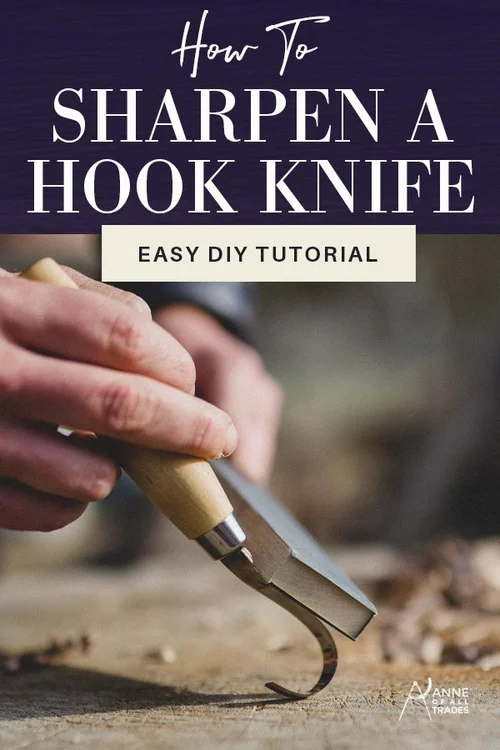
Your carving knives are only as good as their sharpness. When they get dull, cutting becomes frustrating and unsafe.
But what if you could easily sharpen your carving knives at home, saving time and money? Imagine slicing through meat or vegetables with precision and ease every time. You’ll discover simple, effective ways to bring your knives back to life.
Keep reading, and you’ll never have to struggle with a dull blade again.
Tools Needed
Sharpening stonescome in different types. Coarse stonesremove lots of metal fast. Fine stonescreate a smooth edge. Synthetic stonesare common and easy to use. Natural stonesfeel softer but work well.
Honing rodskeep knives sharp between full sharpenings. They do not remove much metal. Use a ceramicor steel rodto realign the blade edge. They work best for quick touch-ups.
- Electric sharpenersare fast and simple.
- Manual pull-through sharpenersguide the blade angle.
- Sharpening systemshold the knife steady for precise angles.
Choose tools that fit your skill and knife type. Keep tools clean and dry for best results.
Preparing The Knife
Start by cleaning the bladewith warm water and mild soap. Remove any dirt or grease to see the blade clearly. Dry the knife completely to avoid rust.
Check the blade carefully for any chips, cracks, or rust spots. Small damages can be fixed, but big cracks may need a professional.
Choose a safe workspacewith good light and a flat surface. Keep your sharpening tools and cloths close. Clear the area to avoid accidents.
Sharpening Techniques
Choosing the right angleis key to a sharp knife. Most carving knives need a 15 to 20-degree angle. Keeping this angle steady helps the blade cut better.
Using a sharpening stoneworks well for dull knives. Wet the stone with water or oil first. Move the blade across the stone in smooth, even strokes. Flip the knife and do the same on the other side.
Using a honing rodkeeps edges sharp between sharpenings. Hold the rod firmly. Swipe the blade down the rod at the right angle. Repeat a few times for best results.
Maintaining consistent pressurehelps avoid uneven edges. Press gently but firmly. Too much force can damage the blade. Find a steady, light pressure and keep it uniform.

Credit: www.familyhandyman.com
Finishing Touches
After sharpening, small rough edges called burrsform along the blade. Gently rub the blade on a soft leather strip or fine stone to remove burrs. This step makes the edge smooth and safer to use.
Check sharpness by carefully slicing a piece of paper or gently running your thumb across the blade’s edge (not along it). A sharp knife should cut or feel clean and precise, not dull or rough.
Cleaning the blade removes metal dust and oil. Use a soft cloth with warm water, then dry it well. Apply a thin layer of mineral oilor knife oil to keep the blade from rusting and to protect the metal.
Maintenance Tips
Regular honinghelps keep the knife edge sharp between sharpenings. Use a honing rod once or twice a week. Hold the knife at a 20-degree angleand swipe the blade gently on each side. This removes small bends and keeps the blade aligned.
Proper storageprevents damage to the blade. Store knives in a block, magnetic strip, or sheath. Avoid tossing knives loosely in drawers where they can get dull or chipped. Keep blades dry to prevent rust.
- Do not use a sharpening stoneif the blade is very dull; first use a coarse stone or take professional help.
- Avoid cutting on hard surfaceslike glass or stone as they dull the blade quickly.
- Do not sharpen with electric toolsunless you know how, to avoid removing too much metal.

Credit: lsirish.com

Credit: www.familyhandyman.com
Frequently Asked Questions
How Often Should I Sharpen My Carving Knives?
Sharpen carving knives after every few uses to maintain a sharp edge. Frequent sharpening prevents dullness and ensures precise cuts. Regular honing between sharpenings also helps keep the blade aligned and ready for use.
What Tools Are Best For Sharpening Carving Knives At Home?
Use a whetstone, sharpening steel, or diamond sharpener for best results. Whetstones offer controlled sharpening, while steels maintain the edge. Choose tools based on your skill level and knife type for optimal outcomes.
Can I Sharpen Carving Knives Without Professional Help?
Yes, you can sharpen carving knives at home with basic tools. Follow step-by-step guides and practice proper technique to avoid damage. Consistency and patience are key to achieving a sharp blade safely.
How Do I Maintain Knife Sharpness After Sharpening?
Store knives properly and use cutting boards to protect edges. Regularly hone blades and avoid cutting hard materials to prolong sharpness. Clean and dry knives immediately after use to prevent corrosion.
Conclusion
Sharpening carving knives at home is simple and rewarding. Basic tools and techniques make a big difference. Consistent practice improves your skills and knife performance. Always check your knives for sharpness before starting a project. Safety is important, so handle knives carefully during sharpening.
Clean and store your knives properly after each use. This ensures their longevity and effectiveness. With these steps, your carving experiences will improve. Enjoy creating beautiful carvings with sharp, reliable knives. Remember, patience and practice lead to better results. Happy carving!
