
When you fire up your BBQ, safety might not be the first thing on your mind. But protecting yourself with the right safety gear can make all the difference between a fun cookout and a dangerous accident.
You want to enjoy your grilling without worry, right? This guide will show you exactly how to use safety gear to keep your hands, clothes, and surroundings safe while you grill. By the end, you’ll feel confident and ready to handle your BBQ like a pro—without risking burns or injuries.
Keep reading to learn the simple steps that can protect you every time you light up the grill.
Choosing The Right Safety Gear
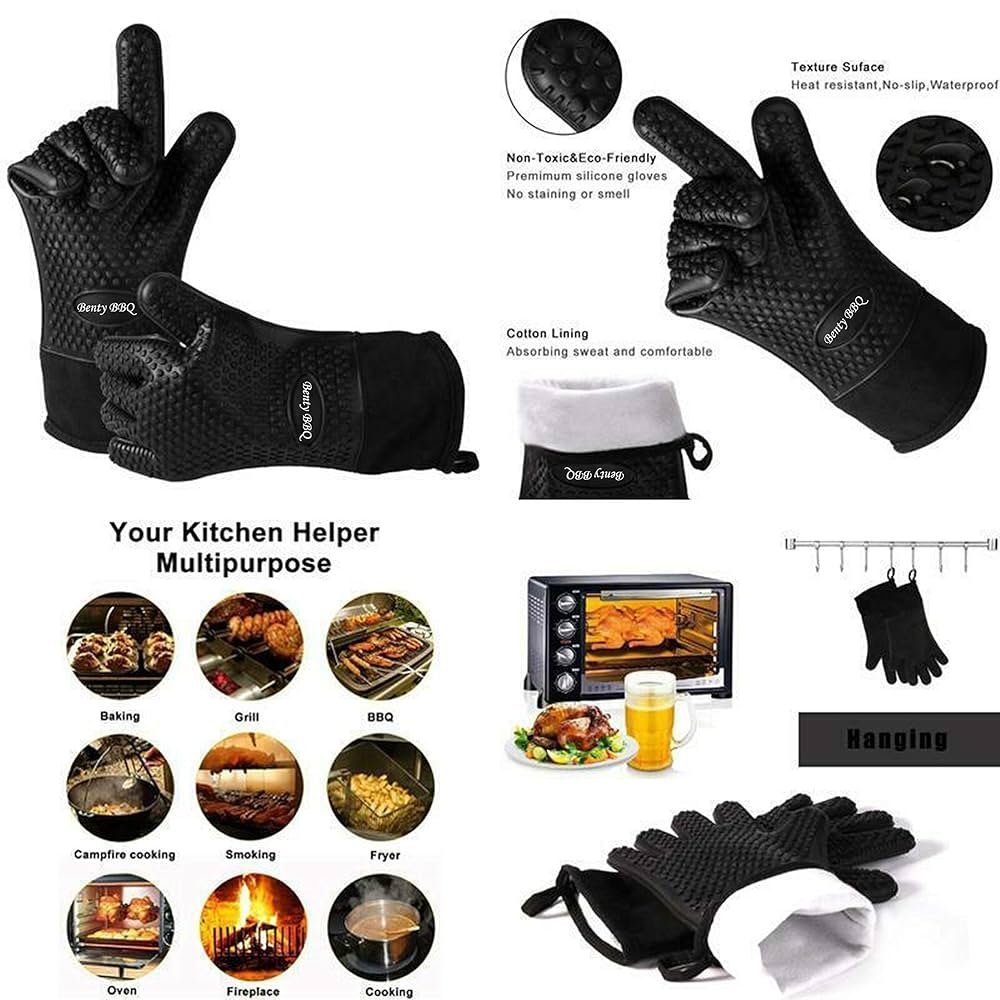
Heat-resistant glovesprotect your hands from burns. They must fit well and cover wrists fully. Choose gloves made from silicone or leather for better protection.
Protective clothingshields your body from hot splashes and sparks. Wear long sleeves and flame-resistant fabrics. Avoid loose clothes that can catch fire easily.
Eye protectionguards your eyes from smoke and flying debris. Safety glasses or goggles are ideal. They help you see clearly while keeping eyes safe.
Proper footwearprevents burns and slips. Closed-toe shoes with non-slip soles work best. Avoid sandals or flip-flops around the grill.
Setting Up Your Grill Safely
Place your grill on a flat and stable surface. This prevents tipping and accidents. Avoid soft or uneven ground. Concrete or stone patios work best.
Keep the area clear of flammable objects. Remove dry leaves, paper, or cloth near the grill. Make sure nothing can catch fire easily.
- Keep a fire extinguishernearby. It helps control unexpected flames quickly.
- Know how to use the extinguisher. Read instructions before grilling.
- Check extinguisher pressure and expiration date regularly.
Using Tools For Safe Handling
Use long-handled utensilsto keep your hands safe from heat. They help you move food without getting too close to the fire. Tongs are better than forks for flipping food because they hold it gently and safely. Forks can poke holes, letting juices escape and making food dry.
Prevent cross-contaminationby using separate utensils for raw and cooked food. Always wash tools well after touching raw meat. This stops bacteria from spreading and keeps everyone healthy.

Credit: www.amazon.com
Managing Flames And Heat
Flare-upshappen when fat drips on hot coals or flames. Keep a spray bottle of water handy to control flare-upsquickly. Move food to a cooler part of the grill if flames grow too big. Always keep the grill lid open during flare-ups to avoid smoke build-up.
To adjust grill temperature, use air vents on charcoal grills. Opening vents raises heat; closing vents lowers it. Gas grills have temperature knobs for easy control. Check the grill thermometer to keep the heat steady. Avoid cooking on very high heat for long to prevent burning.
Use lighter fluidscarefully. Pour just enough fluid on charcoal and wait a minute before lighting. Never add lighter fluid to hot coals or flames. Store lighter fluid away from children and heat sources. Consider using a chimney starter to light charcoal safely without fluids.
Maintaining Cleanliness And Hygiene
Clean grill surfaces before and after every use. Use a grill brush to remove stuck food bits. Heat the grill to burn off grease and dirt easily. Wipe the grates with a damp cloth after cooling.
Store food properly to keep it safe. Use coolers or refrigerators to keep meat cold. Separate raw meat from cooked food to avoid germs. Wrap food tightly to prevent contamination.
- Wash hands with soap and water for 20 seconds.
- Clean hands before and after handling food.
- Use hand sanitizer if soap is not available.
- Avoid touching face or hair while cooking.

Credit: www.usafireprotectioninc.com
Handling Emergencies
Burnscan happen quickly near a hot grill. Cool the burn with running waterfor at least 10 minutes. Avoid using ice or greasy creams. Cover the burn with a clean, dry clothto protect it.
- Keep a fire extinguisherclose to the BBQ area.
- Never leave the grill unattendedwhile cooking.
- Clear away flammable itemslike paper or cloth nearby.
- Use long-handled toolsto avoid getting too close to flames.
| Emergency Contact | Phone Number | Purpose |
|---|---|---|
| Fire Department | 911 (or local emergency number) | Report fire emergencies |
| Poison Control | 1-800-222-1222 | Help with chemical or burn exposure |
| Local Hospital | Keep local hospital number handy | Seek medical help if burns are serious |

Credit: www.amazon.ca
Frequently Asked Questions
What Safety Gear Is Essential For Bbq Grilling?
Essential BBQ safety gear includes heat-resistant gloves, long-handled tools, an apron, and safety goggles. These protect you from burns, splatters, and smoke. Using proper gear minimizes injury risks and improves grilling efficiency.
How Do Heat-resistant Gloves Protect During Bbq?
Heat-resistant gloves shield your hands from burns when handling hot grills and utensils. They provide a secure grip and allow safe movement of food and grill parts. Wearing them reduces the chance of accidents and enhances control.
Why Use Long-handled Tools For Bbq Cooking?
Long-handled tools keep your hands away from direct heat and flames. They offer better reach, reducing burn risks and improving safety. These tools help you flip, turn, and move food without getting too close to fire.
When Should You Wear An Apron During Bbq?
Wear an apron before starting to grill to protect clothes from grease, splatters, and stains. It also acts as a barrier against minor burns. Using an apron keeps you clean and safe throughout cooking.
Conclusion
Safety gear is essential for a safe BBQ experience. Always wear heat-resistant gloves. Protect your eyes with safety goggles. Use a sturdy apron to shield from spills and splatters. Closed-toe shoes prevent foot injuries. Keep a fire extinguisher nearby. Ensure proper ventilation to avoid smoke inhalation.
These precautions keep you safe while grilling. Enjoy your BBQ with peace of mind. Safety first ensures a fun cooking experience. Happy grilling!
