
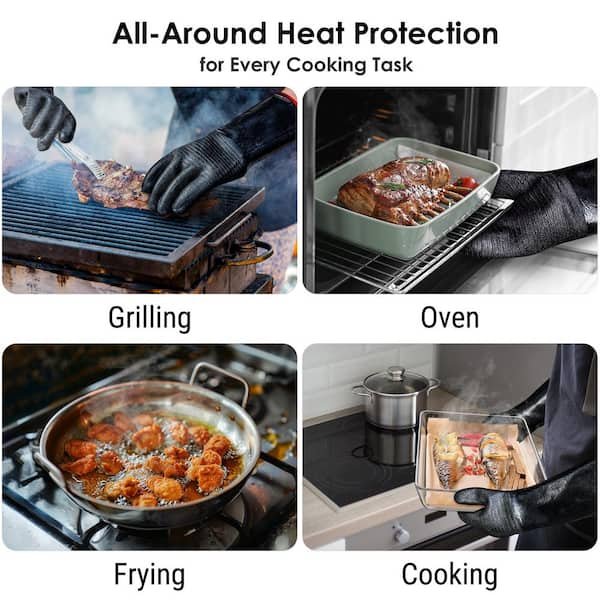
Imagine the convenience of having one pair of gloves that you can use both on your grill and in your oven. It sounds ideal, right?
But can you actually use grill gloves in the oven without risking safety or damaging them? If you’re someone who loves cooking, whether it’s a BBQ in the backyard or baking your favorite dish indoors, this question might have crossed your mind.
You’re not alone in your curiosity. Many people wonder if it’s safe or effective to use their grill gloves in the oven. You want to make sure you’re making the right choice, not just for your culinary creations, but also for your safety. This article will delve into the ins and outs of using grill gloves in the oven. We’ll explore the materials, safety considerations, and practical tips you need to know. Stick around, because what you learn could save you time, money, and perhaps even a few burns.
Credit: www.homedepot.com
Grill Gloves Vs Oven Mitts
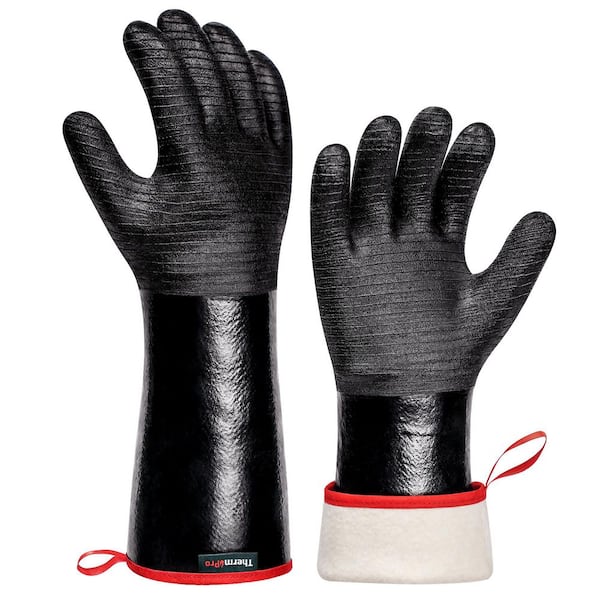
Grill gloves protect hands from high heat and flames, but they may not offer enough insulation for oven use. Oven mitts are designed for heat resistance inside ovens, making them safer for baking and cooking tasks. Choose gloves or mitts based on your cooking method and heat exposure.
Material Differences
Grill glovesare usually made of thick, heat-resistant materials like silicone or aramid fibers. These materials protect against very high temperatures. Oven mittsoften use cotton or polyester with some heat padding. They are softer but less heat-resistant than grill gloves.
Heat Resistance Levels
Grill gloves can handle heat up to 932°F (500°C). Oven mitts usually protect up to 400°F (204°C). Grill gloves offer better safety for very hot surfaces. Oven mitts work well for baking and normal cooking temperatures.
Design And Coverage
Grill gloves cover the wrist and sometimes part of the forearm. This gives more protection from burns. Oven mitts cover only the hand and wrist. Grill gloves offer better grip and flexibility. Oven mitts are easier to slip on and off quickly.
Suitability Of Grill Gloves For Oven Use
Grill gloves are made to handle high heat but usually up to about 450°F (232°C). Ovens can reach higher temperatures, sometimes above 500°F (260°C). Using grill gloves beyond their limit may cause damage or burns.
These gloves offer good flexibility and gripfor holding hot items like grill tools or food. They fit snugly and allow easy movement of your fingers. This helps in safely lifting heavy pans or trays.
Potential risks include melting, burns, or reduced protectionif gloves are not rated for oven heat. Some gloves might catch fire or lose shape. Always check the manufacturer’s temperature ratingbefore using them in the oven.
Safety Tips For Using Gloves In The Oven
Always check the heat ratingof grill gloves before using them in the oven. Some gloves handle high temperatures well, but others do not. Using gloves with low heat tolerance can lead to burns.
- Avoid exposing gloves to moisture. Wet gloves can cause steam burns and lose their grip.
- Keep gloves dry and clean for better protection.
- Use proper handling techniques. Grip hot items firmly but carefully to avoid slips.
- Do not touch hot surfaces with gloves that have holes or tears.
Alternative Heat Protection Options
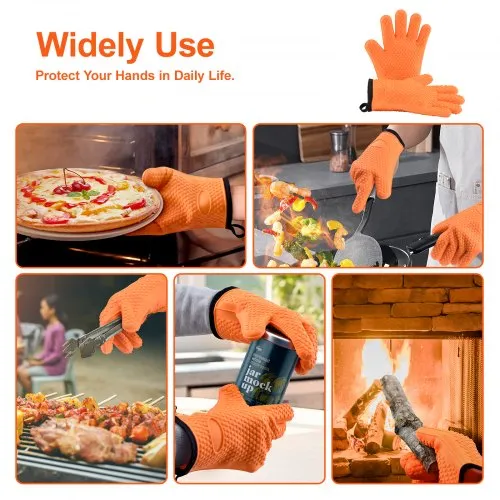
Silicone oven mittsoffer good heat protection for oven use. They are thick, flexible, and resist heat up to 450°F. These mitts provide a good grip and are easy to clean, making them safe for handling hot trays and pans.
Aramid fiber glovesare made from strong, heat-resistant materials. They protect hands from burns at very high temperatures. These gloves are lighter and thinner than many oven mitts, allowing better hand movement while cooking.
Heat-resistant sleevesprotect your arms from burns. They cover the wrist and lower arm, useful when reaching into hot ovens or grills. Sleeves made from materials like Kevlar or Nomex can withstand extreme heat safely.
Maintenance And Care For Heat-resistant Gloves
Heat-resistant gloves need proper cleaningto last long. Use mild soap and warm water to clean them. Avoid harsh chemicals that can damage the material. Let the gloves air dry completely before storing.
Store gloves in a cool, dry place. Avoid folding or crushing them to keep their shape intact. Keep them away from direct sunlight to prevent material wear.
| Signs of Wear | When to Replace |
|---|---|
| Holes or tears | Immediately for safety |
| Loss of heat resistance | After noticeable heat damage |
| Fraying edges | When fraying is severe |
| Burn marks | When burns affect glove strength |

Credit: www.amazon.com
Credit: www.vevor.com
Frequently Asked Questions
Can Grill Gloves Be Safely Used In An Oven?
Yes, many grill gloves are oven-safe up to certain temperatures. Check the glove’s heat resistance label before use. Not all grill gloves withstand high oven heat, so verify to prevent burns or damage.
What Materials Make Grill Gloves Oven-safe?
Oven-safe grill gloves usually contain silicone, Kevlar, or aramid fibers. These materials resist heat and provide insulation. Avoid gloves made from cotton alone, as they offer limited heat protection.
How Do Grill Gloves Differ From Oven Mitts?
Grill gloves are often longer and more flexible, designed for higher heat. Oven mitts focus on insulation and comfort for moderate heat. Choose based on your cooking needs and heat exposure.
Can Using Grill Gloves In An Oven Improve Safety?
Yes, using heat-resistant grill gloves can reduce burn risks. They provide better grip and protection when handling hot trays or pans. Always ensure gloves are rated for oven temperatures.
Conclusion
Grill gloves can handle heat, but ovens are different. Check the glove’s heat limit before use. Oven heat often goes higher than grilling heat. Using gloves not designed for ovens risks burns or damage. Always choose gloves made for oven temperatures.
Safety matters most when handling hot cookware. Keep your hands protected to avoid accidents. Using the right gloves makes cooking safer and easier. Stay cautious and enjoy your cooking time.
