
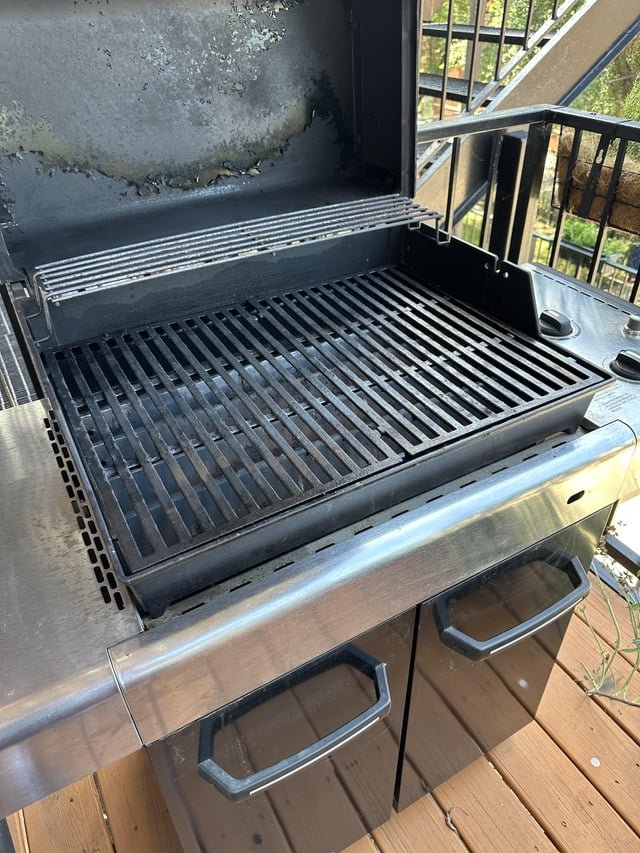
If you want your Weber grill to last longer and cook your food perfectly every time, seasoning your grill grates is a must. But how do you do it right?
Seasoning creates a natural non-stick surface, prevents rust, and makes cleaning easier. In this guide, you’ll learn simple, step-by-step tips to season your Weber grill grates like a pro. Ready to unlock better flavors and a grill that works smoother?
Keep reading, and your next BBQ will be your best yet.
Benefits Of Seasoning Grill Grates
Seasoning your Weber grill grates is more than just a maintenance task—it’s a game changer for your grilling experience. Properly seasoned grates create a natural non-stick surface, making cooking and cleaning easier. Plus, it helps protect your grill from rust and extends its lifespan.
Enhances Food Flavor And Cooking Quality
Seasoned grates add a subtle, smoky flavor to your food that you won’t get with unseasoned metal. The oil layer creates a barrier that prevents food from sticking, so your steaks, veggies, and burgers cook evenly without tearing apart. Have you noticed how grilled food tastes better when it releases easily from the grates?
Prevents Rust And Corrosion
Grill grates are exposed to heat, moisture, and food acids, which can cause rust over time. Seasoning forms a protective coat that blocks moisture and reduces oxidation. This simple step can save you from costly replacements and keeps your grill looking new for years.
Makes Cleaning Effortless
When grates are seasoned properly, food residue slides off with less scrubbing. You’ll spend less time scraping and more time enjoying your meal. Imagine finishing a BBQ without the dread of a tough cleanup—seasoning makes that possible.
Improves Heat Distribution
The oil layer from seasoning helps heat spread more evenly across the grates. This means fewer hot spots and better control over cooking temperatures. Can you picture perfectly seared grill marks on every piece of food? That’s the power of well-seasoned grates.
Extends Grill Grate Lifespan
Regular seasoning acts like a shield against wear and tear. It prevents metal degradation caused by heat and food acids. Taking a few minutes to season your grates today can save you money on replacements tomorrow.

Credit: luxebbq.ca
Choosing The Right Oil
Choosing the right oil is key to seasoning Weber grill grates well. The oil creates a protective layer that stops rust and makes cleaning easier. Not all oils work the same. Some oils handle heat better, while others add unwanted flavors. Picking a suitable oil helps the seasoning last longer and keeps your grill in top shape.
Oils With High Smoke Points
Oils with high smoke points handle the grill’s heat without burning. They form a strong, durable coating on the grates. Examples include:
- Canola oil
- Vegetable oil
- Peanut oil
- Grapeseed oil
These oils stay stable at high temperatures, making them perfect for seasoning.
Oils To Avoid For Seasoning
Some oils have low smoke points and burn easily. They can leave sticky, uneven layers. Avoid using:
- Extra virgin olive oil
- Flaxseed oil
- Butter or margarine
These oils can create a sticky mess instead of a smooth coating.
Neutral Flavor Oils
Neutral flavor oils do not change the taste of grilled food. They keep the original grill flavors intact. Good choices include:
- Canola oil
- Safflower oil
- Sunflower oil
These oils season the grates without adding extra flavors.
Preparing Your Weber Grill
Preparing your Weber grill is key to getting the best results from seasoning the grates. Clean grates hold seasoning better and last longer. Checking for any damage before seasoning ensures safety and performance. Take time to prepare well. This step helps your grill work perfectly every time you cook.
Cleaning The Grates
Start by removing the grates from the grill. Use a grill brush with stiff bristles to scrub off old food and rust. For tough spots, soak the grates in warm soapy water for 15 minutes. Rinse them well and dry completely with a clean cloth. Clean grates allow the seasoning to stick properly and prevent sticking during cooking.
Checking For Damage
Look over the grates carefully for cracks or deep rust. Small cracks can get worse with heat and cause problems. Rust spots should be removed by scrubbing or sanding lightly. If the damage is extensive, consider replacing the grates. Healthy grates help your grill heat evenly and keep food safe.
Steps To Season Weber Grill Grates
Seasoning Weber grill grates protects them from rust and improves cooking. It creates a natural non-stick surface. This process is simple and quick but important for grill care.
Preheating The Grill
Start by cleaning the grill grates thoroughly. Remove any old food or residue. Turn on the grill to a medium-high heat. Let the grill heat for 15 minutes. This opens the pores of the metal. It helps the oil soak in better.
Applying The Oil
Choose a high smoke point oil like canola or vegetable oil. Use a clean cloth or paper towel to apply oil. Rub the oil evenly over all grill grates. Cover every part but do not soak the grates. This thin layer helps build the protective coating.
Heating With Oil
Close the grill lid and heat it for 20 minutes. The oil will start to bond with the metal surface. This forms the seasoning layer. After heating, turn off the grill and let it cool. Repeat this oiling and heating process 2-3 times for best results.
Maintaining Seasoned Grill Grates
Maintaining seasoned grill grates is key to keeping your Weber grill performing at its best. Seasoning protects the grates from rust and creates a natural non-stick surface that makes cooking easier and cleanup quicker. If you want your grill to last and cook like new, regular care is essential.
Routine Cleaning
After each cookout, clean your grates while they are still warm. Use a grill brush with stiff bristles to scrape off leftover food and debris. Avoid harsh chemicals; instead, stick to simple tools like a wire brush or crumpled foil.
Occasionally, soak the grates in warm soapy water to remove stubborn grease. Rinse thoroughly and dry immediately to prevent rust. Have you ever noticed how much easier it is to clean after a quick brush rather than letting residue bake on?
Reapplying Oil
Oiling your grill grates regularly keeps the seasoning intact and prevents food from sticking. After cleaning and drying, apply a thin layer of high-smoke-point oil like canola or grapeseed oil. Use a paper towel or brush to spread the oil evenly over the grates.
Heat the grill for about 15 minutes after oiling to help the oil bond with the metal. This step rebuilds the protective layer and enhances the non-stick surface. Do you remember the last time your food slid off the grill easily? That’s the result of well-maintained seasoning.
Credit: bbqing.com
Common Mistakes To Avoid
Seasoning your Weber grill grates properly can make a huge difference in how your food cooks and tastes. But many people make simple mistakes that lead to uneven seasoning or rust. Avoiding these common errors will save you time and frustration, and keep your grill performing at its best.
Using Too Much Oil
It’s tempting to slather on oil, thinking more will protect the grates better. But excess oil can drip and cause flare-ups, or create sticky, uneven layers. Instead, apply a thin, even coat—just enough to cover the surface without pooling.
Skipping The Pre-cleaning Step
Seasoning dirty grates is like painting over dirt—it won’t stick properly. Always clean your grates thoroughly before seasoning. Scrub off old food bits and rust to ensure the oil bonds well and creates a smooth, protective layer.
Not Heating The Grill Enough
If you don’t heat the grill to the right temperature, the oil won’t polymerize properly. This leads to a weak seasoning that flakes off easily. Aim for a medium-high heat and let the oil smoke slightly to form a strong, durable coating.
Using The Wrong Type Of Oil
Oils with low smoke points can burn and leave a bad smell or sticky residue. Choose oils like canola, grapeseed, or vegetable oil that can handle high heat. What oil do you usually use? Trying a different one might improve your results.
Ignoring Regular Maintenance
Seasoning isn’t a one-time job. Grates need periodic re-seasoning to stay protected, especially after heavy use or cleaning. Do you check your grill grates regularly? A quick touch-up can prevent rust and keep your grill ready to go.
Tips For Long-lasting Flavor
Seasoning Weber grill grates well helps keep flavors strong for many uses. Proper care and maintenance protect the grates from rust and wear. This ensures your food tastes great every time you cook.
Regularly seasoning the grates builds a natural non-stick layer. This layer locks in flavors and makes cleaning easier. Use simple steps to keep your grill ready for any meal.
Clean Grates Before Seasoning
Remove old food and grease with a grill brush. Clean grates allow oil to stick better. This helps create a smooth, even seasoning layer. Always clean the grill after each use for best results.
Use High Smoke Point Oils
Choose oils like canola, vegetable, or grapeseed oil. These oils handle high heat without burning. Burnt oil can create bad flavors on the grill. Apply a thin, even coat for best seasoning.
Heat The Grill Properly
Preheat the grill to a high temperature before oiling. Hot grates help oil bond to the metal. This creates a strong protective layer. Heat the grill for about 15 minutes for best effect.
Apply Multiple Coats Of Oil
Repeat oiling and heating steps two or three times. Each layer builds a better non-stick surface. Multiple coats improve the grill’s durability. Let the grill cool between coats to avoid smoke.
Store Grill In A Dry Place
Keep the grill covered when not in use. Moisture causes rust and damages seasoning layers. A dry, sheltered spot extends the life of the grates. Use a weather-resistant grill cover for protection.
Re-season After Heavy Use
Season the grates after cooking fatty or sticky foods. These foods can wear down the oil layer. Quick re-seasoning restores the non-stick surface. This keeps your grill ready for the next cookout.
Credit: bbqing.com
Frequently Asked Questions
How Often Should I Season Weber Grill Grates?
Season your Weber grill grates after every 5-6 uses. Regular seasoning prevents rust and maintains a non-stick surface. It also enhances flavor and extends the grill’s lifespan. Proper care ensures consistent cooking results and easier cleaning.
What Oil Is Best For Seasoning Grill Grates?
Use high smoke point oils like canola, vegetable, or grapeseed oil. These oils create a durable, non-stick coating on the grates. Avoid using butter or olive oil as they burn quickly and leave residue.
Can I Season Cast Iron Weber Grill Grates?
Yes, cast iron grates benefit greatly from seasoning. Apply a thin layer of oil and heat the grill to bond the oil to the grates. This process prevents rust and improves cooking performance.
How Do I Clean Grill Grates Before Seasoning?
Clean grates with a grill brush to remove debris and rust. Wash with warm, soapy water and dry completely. A clean surface ensures proper oil absorption during seasoning.
Conclusion
Seasoning Weber grill grates keeps them from rusting and sticking. Clean the grates well before applying oil. Use high smoke point oil for best results. Heat the grill to help the oil soak in. Repeat this process regularly to protect your grill.
Well-seasoned grates make cooking easier and tastier. Take care of your grill, and it will last longer. Enjoy grilling with smooth, non-stick grates every time. Simple steps lead to great grilling experiences.
