
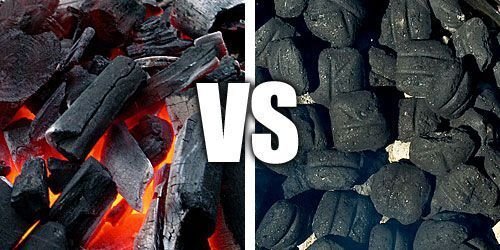
Are you wondering whether lump charcoal or briquettes are the best choice for your next barbecue? Choosing the right fuel can make a big difference in how your food tastes and how easy your grilling experience is.
You might have heard that lump charcoal burns hotter and cleaner, but briquettes last longer and burn more evenly. Which one will give you the perfect balance of flavor, heat, and convenience? Keep reading to discover the real pros and cons of lump charcoal versus briquettes—so you can make the smartest choice for your grill and impress everyone at your next cookout.
:max_bytes(150000):strip_icc()/sea-the-good-charcoal-company-lump-charcoal-meghan-splawn-07-16491111a6c64c5c9d7b4779bf5e25d9.jpeg)
Credit: www.seriouseats.com
Lump Charcoal Basics
Lump charcoalis made by burning wood in a low-oxygen environment. This process removes water and gases, leaving behind pure carbon. It looks like chunks of black wood and burns hotter than briquettes. The pieces vary in size and shape.
Wood used for lump charcoal often comes from hardwood trees like oak or hickory. These woods give a natural smoky flavor to grilled food. Lump charcoal lights quickly and reaches high temperatures fast.
- Grilling steaks, burgers, and vegetables
- Smoking meats for added flavor
- Cooking with a natural wood flavor
- Outdoor barbecues and camping
Lump charcoal is preferred by many for its natural taste and heat control. It produces less ash, making cleanup easier. It is a popular choice for those who want simple, effective fuel for grilling.
Briquettes Essentials
Lump charcoal burns hotter and cleaner, offering a natural flavor to grilled food. Briquettes provide steady, long-lasting heat, making them easier to control for cooking. Each type suits different grilling needs and preferences.
What Are Charcoal Briquettes
Charcoal briquettes are small, compressed blocks of carbon-rich material. They are made from wood waste, sawdust, or other organic materials. People use them for grilling and barbecuing. Briquettes are popular because they burn evenly and are easy to light. They produce a steady heat for cooking food.Manufacturing Process
The process starts with grinding wood waste into fine powder. This powder is then mixed with a binding agent like starch. The mixture is pressed into small, uniform shapes. These shapes are dried to remove moisture. Finally, they are packed for sale. This method ensures briquettes are consistent in size and shape.Typical Applications
Briquettes are mainly used for backyard barbecues and grilling. They are also ideal for camping trips due to their portability. Some people use them in fireplaces or wood stoves. Their steady burn makes them great for long cooking sessions. Briquettes are a reliable choice for many cooking needs. `Heat And Burn Time
Lump charcoalheats up faster than briquettes. It can reach higher temperatures, good for searing meat. Briquettes burn longer, offering steady heat for slow cooking. Temperature control is easier with lump charcoal due to quick changes in heat. Briquettes hold heat well but take longer to adjust temperature.
| Aspect | Lump Charcoal | Briquettes |
|---|---|---|
| Burn Duration | Shorter, about 1-2 hours | Longer, about 3-4 hours |
| Consistency of Heat | Less consistent, can have hot spots | More consistent, even heat |
Choose lump charcoal for quick, hot cooking. Use briquettes for long, steady grilling sessions. Both have pros depending on cooking style.

Credit: wwoous.com
Flavor Impact
Lump charcoalgives a more natural smoky flavor. It burns hotter and cleaner. This helps food taste like it was cooked over a real wood fire.
Briquetteshave a steadier heat and burn longer. They often contain fillers and binders that can add a slight chemical taste. But they are easier to manage for slow cooking.
Different foods react differently to these charcoals:
- Steaks and burgersget a nice smoky flavor with lump charcoal.
- Vegetables and fishcook evenly with briquettes, making them less likely to burn.
- Slow-cooked meatsbenefit from briquettes’ steady heat.
Ease Of Use
Lump charcoal lights fasterthan briquettes. It catches fire quickly with less effort. Briquettes need more time and steady airflow to ignite well.
Handling lump charcoal is easy but it burns unevenly. Briquettes burn longer and steady, so they are less messy during cooking. Both need dry storage to avoid moisture, but lump charcoal absorbs water faster.
Cleanup differs too. Lump charcoal leaves less ash, making cleanup simpler. Briquettes create more ash, which can block airflow and need more cleaning after use.
Cost And Availability
Lump charcoalusually costs more than briquettes. This is because lump charcoal is made from pure wood, while briquettes have fillers. Briquettes are cheaper and easier to find in many stores.
Price variesby brand and location. Buying in bulk can save money for both types.
| Where to Buy | Lump Charcoal | Briquettes |
|---|---|---|
| Supermarkets | Sometimes available | Widely available |
| Specialty BBQ stores | Easy to find | Easy to find |
| Online | Many options | Many options |
- Value for moneydepends on grilling style and frequency.
- Lump charcoal burns hotter but faster.
- Briquettes burn longer and give steady heat.
- Choose based on how often you grill and your budget.
Environmental Factors
Lump charcoalis made by burning wood in low oxygen. It is more natural and biodegradable. Most lump charcoal comes from hardwood trees, but not all sources are sustainable. Sustainable harvesting means trees are replaced and forests stay healthy.
Briquettesare made from sawdust and other wood waste. They often contain additives like binders and fillers. These can increase pollution when burned. Briquettes may also use non-renewable materials, which affects the environment more.
Burning lump charcoal usually produces less ash and fewer chemicals. Briquettes can release more smoke and harmful substances. This affects air quality and safetyfor people nearby.
- Lump charcoal: made from wood, less processed
- Briquettes: made from compressed wood waste, with additives
- Lump charcoal: better for air quality, fewer chemicals
- Briquettes: may produce more smoke and ash
- Sustainable lump charcoal helps protect forests
:max_bytes(150000):strip_icc()/sea-big-green-egg-natural-oak-and-hickory-lump-charcoal-meghan-splawn-03-28f761ea25c94884ae6465bb6173cfdd.jpeg)
Credit: www.seriouseats.com
Choosing The Right Charcoal
Lump charcoal burns hotter and lights faster but burns quickly. Briquettes offer steady, long-lasting heat and burn more evenly. Choosing depends on your cooking style and heat control needs.
Grilling Style And Preferences
Lump charcoalburns hotter and faster. It gives food a smoky, natural flavor. It suits quick grilling and searing. Briquettesburn longer and steady. They are good for slow cooking and smoking. Personal taste plays a big role. Some prefer the pure wood taste of lump charcoal. Others like the consistent heat of briquettes.
Type Of Grill Compatibility
Lump charcoal fits well in charcoal grillsthat need high heat. Briquettes work best in grills needing steady heat for longer times. They are also good for smoker grills. Both types work in most grills, but knowing your grill helps pick the best option.
Personal Priorities In Grilling
- Want fast heat? Choose lump charcoal.
- Need steady, long heat? Choose briquettes.
- Prefer natural wood flavor? Lump charcoal wins.
- Care about easy lighting and uniform heat? Briquettes are better.
- Consider budget too; briquettes often cost less.
Frequently Asked Questions
What Is Lump Charcoal Made From?
Lump charcoal is made by burning hardwood in low oxygen. It contains pure carbon with no additives. This makes it natural and eco-friendly for grilling.
How Does Lump Charcoal Burn Compared To Briquettes?
Lump charcoal burns hotter and faster than briquettes. It produces less ash and has a more natural smoky flavor. However, it requires more attention to maintain consistent heat.
Are Briquettes Better For Longer Cooking Times?
Yes, briquettes burn longer and provide steady heat. They contain binders and additives to ensure uniform shape and slow burning. This makes them ideal for slow cooking or smoking.
Which Charcoal Type Produces Less Ash?
Lump charcoal produces significantly less ash than briquettes. Less ash means easier cleanup and better airflow during grilling. This helps maintain temperature control efficiently.
Conclusion
Choosing between lump charcoal and briquettes depends on your grilling style. Lump charcoal lights faster and burns hotter for quick cooking. Briquettes burn longer and offer steady heat for slow grilling. Both have unique benefits that suit different needs. Think about what matters most: flavor, burn time, or convenience.
Experiment to find which works best for your taste. Either way, enjoy your grilling and great food!
