
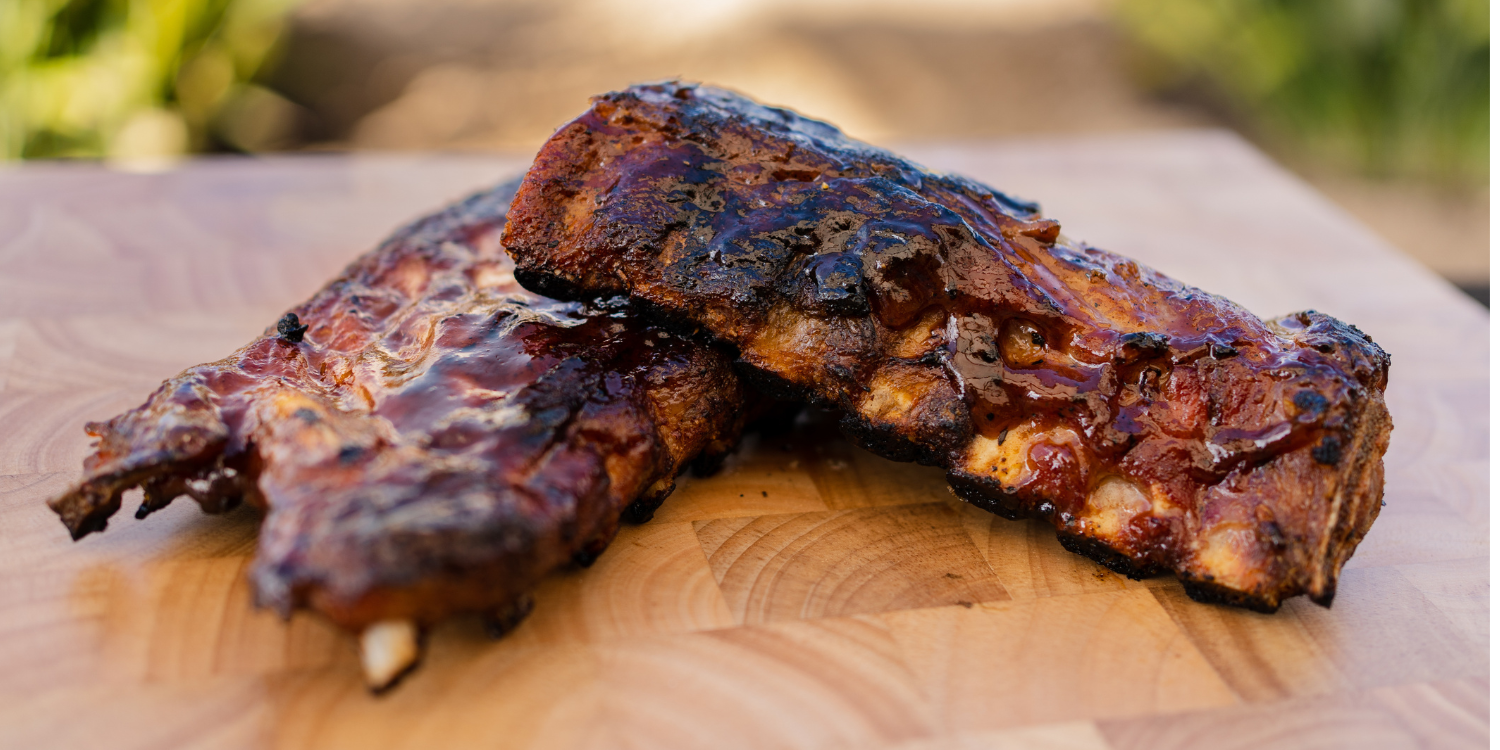
If you love juicy, tender ribs with that perfect smoky flavor, you know that cooking them just right on a gas grill can be tricky. You might be wondering, “How long should I cook ribs on a gas grill to get them fall-off-the-bone delicious?” The answer isn’t just about time—it’s about technique, temperature, and a few simple secrets that will change the way you grill forever.
Keep reading, and you’ll learn exactly how to make your ribs the star of every cookout, impressing your friends and family every time.
Choosing The Right Ribs
Choosing the right ribs is the first step to grilling success. The type and quality of ribs you pick will influence cooking time, flavor, and tenderness. Knowing what to look for helps you avoid tough or flavorless results, making your grilling experience more enjoyable.
Types Of Ribs
Ribs come in several varieties, each with unique characteristics that affect cooking time on a gas grill.
- Baby Back Ribs:These are smaller, leaner, and cook faster. They come from the upper part of the rib cage and usually need about 1.5 to 2 hours on the grill.
- Spare Ribs:Larger and meatier, spare ribs take longer—typically 2.5 to 3 hours. Their higher fat content adds great flavor but requires slower cooking.
- St. Louis Style Ribs:A trimmed version of spare ribs, these balance meatiness and cooking time, usually around 2 to 2.5 hours.
Which type you choose depends on your taste and how much time you have for grilling.
Quality Selection Tips
Good ribs start with quality. Look for ribs with a nice pink color and firm texture. Avoid any that look dry or have a strong odor.
Check the fat content—some fat is good for flavor, but too much can cause flare-ups on your gas grill. Also, ribs with even thickness cook more consistently, so choose those for even results.
Have you noticed ribs labeled “fresh” versus “frozen”? Fresh ribs often retain better texture and flavor, though frozen ribs can work well if thawed properly. Trust your senses and don’t hesitate to ask your butcher for advice.
Preparing Ribs For Grilling
Preparing ribs for grilling is an important step for tender and flavorful results. Proper preparation helps the meat cook evenly and absorb delicious flavors. Taking time to prepare ribs ensures a better grilling experience and tastier meal.
Trimming Excess Fat
Start by trimming extra fat from the ribs. Use a sharp knife to remove thick fat layers. Too much fat can cause flare-ups on the grill. It also makes ribs greasy and heavy. Leave a thin layer for moisture and flavor. Clean ribs cook more evenly and taste better.
Seasoning And Marinating
Season ribs with salt, pepper, and your favorite spices. Rub the seasoning gently all over the meat. For deeper flavor, marinate ribs for several hours or overnight. Use a simple marinade with oil, acid like vinegar or lemon, and spices. Marinating softens the meat and adds taste. Pat ribs dry before grilling to get a nice crust.
Setting Up The Gas Grill
Setting up your gas grill correctly is key to cooking tender, juicy ribs. The right preparation helps control the temperature and cooks ribs evenly. It starts with knowing how to heat your grill and where to place the ribs for best results.
Preheating The Grill
Turn on your gas grill and set the burners to high. Close the lid and let it heat for about 10 to 15 minutes. Preheating ensures the grill reaches the right temperature. A hot grill sears the ribs, locking in flavor and juices.
Indirect Vs Direct Heat
Direct heat means placing ribs right over the flame. This cooks ribs fast but can burn them outside while staying raw inside. Indirect heat means turning off some burners and placing ribs away from flames. Ribs cook slowly and evenly this way. Use indirect heat for tender, fall-off-the-bone ribs.

Credit: www.reddit.com
Cooking Times For Ribs
Cooking ribs on a gas grill requires attention to timing to get that perfect balance of tenderness and flavor. The cooking time depends largely on the technique you choose and the temperature you maintain. Knowing how long to cook ribs ensures you avoid drying them out or leaving them undercooked.
Low And Slow Method
Cooking ribs low and slow means setting your gas grill to a temperature between 225°F and 250°F. This method usually takes about 3 to 4 hours to make the ribs tender and juicy. You’ll want to keep the grill covered and check occasionally to maintain a consistent temperature.
This approach allows the fat to render properly and the meat to become tender without burning. It’s great if you have time to spare and want ribs that almost fall off the bone. Have you tried wrapping ribs in foil halfway through? It can lock in moisture and speed up the cooking slightly.
Quick Grilling Technique
If you’re short on time, a quick grilling technique can get ribs ready in about 1 to 1.5 hours. Set your gas grill to medium-high heat, around 350°F to 400°F, and cook the ribs faster by turning them often. This method produces a smoky crust while keeping the inside juicy.
Keep a close eye on the ribs to prevent flare-ups or burning. You might want to parboil or pre-cook the ribs before grilling to reduce the grilling time further. Have you ever used a marinade or dry rub to help the ribs cook faster and develop flavor during quick grilling?
Testing For Tenderness
Testing for tenderness is key to perfect ribs on a gas grill. It helps to know when ribs are juicy and soft. This step ensures ribs are not undercooked or too dry. Tender ribs offer the best taste and texture.
Visual And Physical Cues
Look for meat pulling away from the bones. The surface should be slightly browned and caramelized. The ribs should bend easily without breaking. A gentle poke with a fork should feel soft but not mushy. If the ribs resist or feel tough, they need more time.
Temperature Guidelines
Cook ribs at a steady temperature between 225°F and 250°F. Use a meat thermometer to check internal heat. Ribs are tender around 190°F to 205°F inside. Below 190°F, the meat may be chewy. Above 205°F, ribs can dry out. Hold ribs at this temperature range for best results.

Credit: www.thepioneerwoman.com
Resting And Serving
Resting and serving ribs cooked on a gas grill are crucial steps. These steps enhance the texture and flavor of your ribs. Proper resting lets the juices settle. Serving with the right sides boosts the meal’s appeal.
Resting Period Importance
After grilling, let ribs rest for 10 to 15 minutes. This pause allows meat fibers to relax. Juices redistribute inside the ribs, making them juicy. Cutting ribs too soon causes juice loss. Resting also helps the ribs finish cooking gently. Cover ribs loosely with foil to keep warmth.
Serving Suggestions
Serve ribs with classic sides to balance flavors. Try coleslaw for a crunchy, fresh contrast. Cornbread adds a sweet, soft touch. Baked beans bring smoky, rich notes. Offer barbecue sauce on the side for dipping. Garnish ribs with fresh herbs for color and aroma.
Troubleshooting Common Issues
Cooking ribs on a gas grill can sometimes be tricky. Common problems include dry ribs or undercooked meat. These issues affect taste and texture. Knowing how to fix them improves your grilling experience. The tips below help you troubleshoot common rib cooking problems effectively.
Avoiding Dry Ribs
Dry ribs happen when cooked too long or at too high heat. Keep the grill temperature steady between 225°F and 250°F. Use indirect heat to prevent burning. Wrap ribs in foil with a bit of liquid, like apple juice. This traps moisture and keeps ribs juicy. Baste ribs during cooking to add flavor and moisture. Let ribs rest after cooking to allow juices to settle.
Dealing With Undercooked Ribs
Undercooked ribs feel tough and chewy. Check the grill temperature to ensure it is not too low. Cook ribs slowly for 3 to 4 hours on indirect heat. Use a meat thermometer to check for 190°F to 203°F inside. If ribs are undercooked, wrap them in foil and cook longer. Avoid increasing heat suddenly, as this can burn the outside. Patience is key for tender ribs.

Credit: cheflolaskitchen.com
Frequently Asked Questions
How Long Does It Take To Cook Ribs On A Gas Grill?
Cooking ribs on a gas grill usually takes 1. 5 to 2. 5 hours. This depends on rib type and grill temperature. Low and slow cooking at 225-250°F yields tender, juicy ribs. Use indirect heat and turn ribs occasionally for even cooking.
What Temperature Should I Set My Gas Grill For Ribs?
Set your gas grill between 225°F and 250°F for ribs. This low temperature helps break down connective tissue. It ensures ribs stay juicy and tender. Avoid high heat as it can dry out the ribs.
Should I Cook Ribs Covered Or Uncovered On A Gas Grill?
Cook ribs covered on a gas grill for even heat and moisture retention. Covering traps smoke and heat, enhancing flavor and tenderness. Remove the lid near the end to caramelize sauce if desired.
How Do I Know When Ribs Are Done On A Gas Grill?
Ribs are done when meat pulls back from bones and is tender. Use a toothpick or fork to test tenderness. Internal temperature should be around 190-203°F for fall-off-the-bone ribs.
Conclusion
Cooking ribs on a gas grill takes time and patience. Keep the grill at a steady low heat for best results. Usually, ribs need about 1. 5 to 2 hours to cook well. Turn them occasionally to avoid burning. Check for tenderness by gently pressing the meat.
When ribs pull back from the bone, they are ready. Use a meat thermometer if unsure; it should read 190°F. Rest the ribs for a few minutes before serving. Enjoy juicy, flavorful ribs with simple care and timing. Perfect ribs are worth the wait.
