
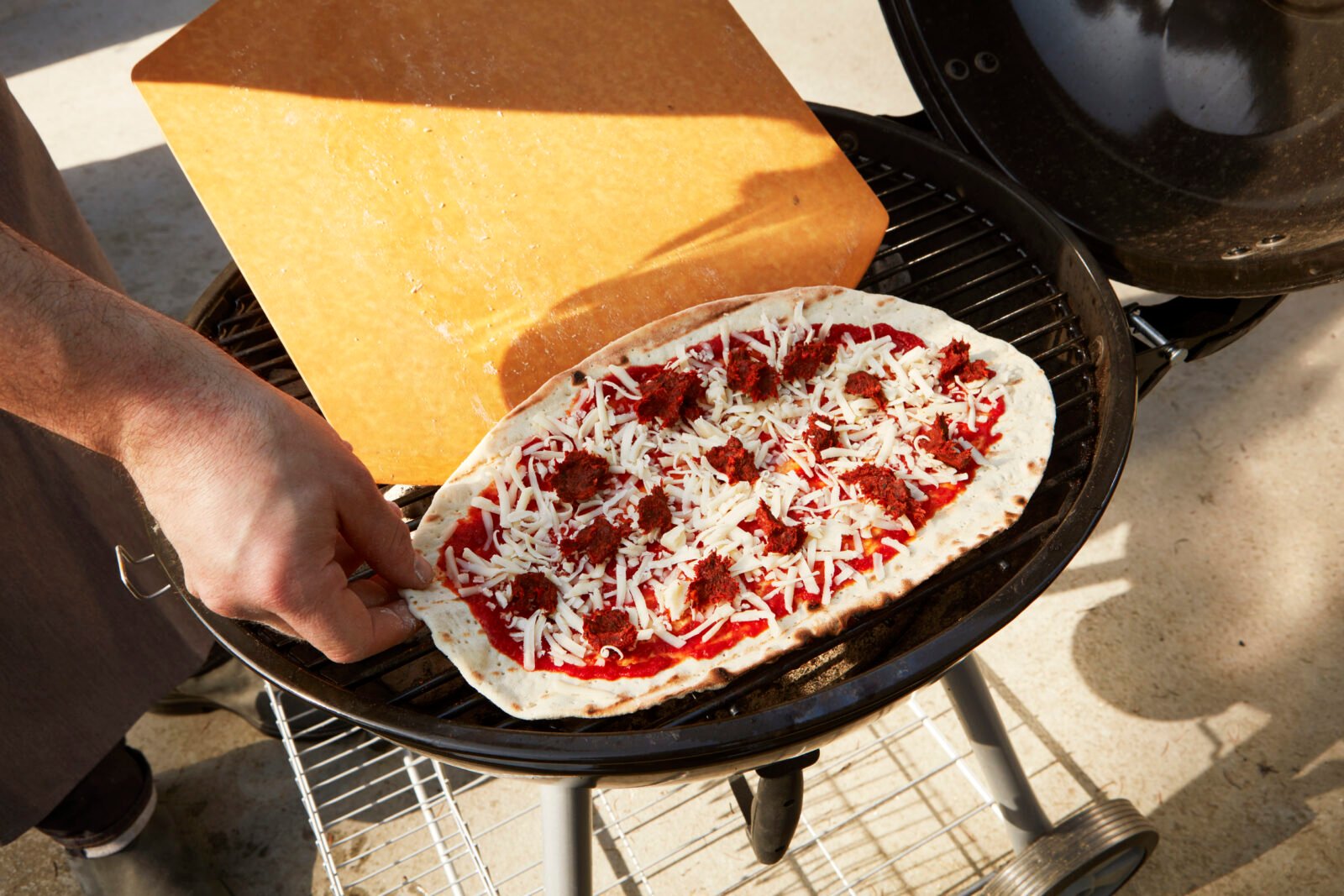
Are you ready to take your pizza game to the next level? Cooking pizza on your outdoor kitchen grill is a fun and delicious way to impress friends and family.
Imagine biting into a crispy, smoky crust with perfectly melted cheese—all made right outside your door. In this guide, you’ll discover simple tips and tricks that make grilling pizza easy and enjoyable. By the end, you’ll feel confident creating mouthwatering pizzas that taste like they came from a pizzeria.
Keep reading, and let’s fire up that grill!

Credit: modernistcuisine.com
Choosing The Right Grill
Choosing the right grill shapes your outdoor pizza cooking experience. The grill controls heat, cooking speed, and flavor. Different grills offer unique benefits for pizza. Picking one fits your cooking style and taste needs.
Gas Vs. Charcoal Grills
Gas grills heat up quickly and offer easy temperature control. They keep steady heat, which helps cook pizza evenly. Charcoal grills add smoky flavor that many pizza lovers enjoy. They take longer to heat but create a crisp crust. Consider how much time and flavor matter to you.
Grill Features For Pizza Cooking
Look for features that improve pizza cooking. A built-in thermometer helps monitor grill temperature. Adjustable heat zones allow for direct and indirect cooking. A pizza stone or baking steel provides even heat distribution. Grills with side burners can heat sauces or toppings. These features make pizza cooking simpler and tastier.
Essential Tools And Equipment
Cooking pizza on an outdoor grill needs the right tools. These tools help create a crispy crust and cook toppings evenly. Proper equipment makes grilling pizza easier and more fun. Basic tools improve safety and control over the cooking process. Here are some essentials to prepare for your outdoor pizza session.
Pizza Stones And Steel
Pizza stones and steel slabs provide a hot, even surface. They hold heat and mimic a pizza oven’s floor. This helps the dough cook evenly and get crispy. Stones absorb moisture, creating a perfect crust texture. Steel heats faster and transfers heat better than stone. Both options help avoid burned or undercooked dough.
Choose a stone or steel that fits your grill size. Preheat it for at least 30 minutes before placing the pizza. This ensures a consistent cooking temperature. Clean the surface after each use to keep it smooth and ready.
Pizza Peels And Cutters
Pizza peels are flat tools used to place and remove pizza from the grill. They keep your hands away from heat and flames. Wooden peels work well to slide uncooked dough onto the stone. Metal peels are better for lifting cooked pizza off the grill. Choose a peel with a long handle for safety.
Pizza cutters make slicing easy and neat. A sharp wheel or rocker cutter cuts through crust and toppings cleanly. This keeps the pizza intact and ready to serve. Always use a cutter designed for pizza to avoid tearing the crust.
Preparing The Dough
Preparing the dough is the first key step to a delicious pizza on your outdoor grill. The dough forms the base that holds all your toppings. A good dough is soft, chewy, and slightly crispy after cooking. It needs the right ingredients and some patience to develop flavor and texture. Follow these simple tips to get your pizza dough ready for the grill.
Selecting The Flour
Flour type affects the dough’s texture and taste. Use high-protein flour like bread flour for a chewy crust. All-purpose flour works too but may be less elastic. Avoid cake or pastry flour since they have low protein. For a traditional Italian pizza, try “00” flour if available. This flour is finely ground and creates a tender crust.
Kneading Techniques
Kneading develops gluten, which gives dough strength and stretch. Use your hands to push and fold the dough repeatedly. Knead for 8 to 10 minutes until the dough is smooth and springs back when pressed. Avoid adding too much flour during kneading. A slightly sticky dough creates a better crust after baking.
Dough Resting Time
Resting allows the dough to rise and flavors to develop. Cover the dough with a damp cloth or plastic wrap. Let it sit at room temperature for at least 1 hour. For better taste, refrigerate the dough for 24 hours or more. Cold fermentation improves texture and adds a slight tang to the crust.

Credit: modernistcuisine.com
Crafting The Sauce
Crafting the sauce is a vital part of cooking pizza on an outdoor kitchen grill. The sauce sets the base flavor and brings all toppings together. A well-made sauce enhances the taste and texture of your pizza. Choosing the right sauce depends on personal taste and available ingredients. You can stick to a classic tomato base or explore creative alternatives for a unique twist.
Classic Tomato Sauce
A classic tomato sauce is simple and fresh. Use canned crushed tomatoes for easy preparation. Add garlic, olive oil, and a pinch of salt to start. Fresh basil or dried Italian herbs bring aroma and flavor. Simmer the sauce on low heat for 15 minutes. Stir occasionally to blend the ingredients well. Avoid overcooking to keep the sauce bright and tangy. Let the sauce cool before spreading it on the pizza dough. This sauce pairs well with almost all toppings.
Alternative Sauce Options
Try different sauces to give your pizza a new taste. Pesto is a great choice for a fresh, herby flavor. Use basil, pine nuts, garlic, Parmesan, and olive oil blended smooth. White sauce made from cream, garlic, and cheese offers a rich, creamy base. Barbecue sauce adds a smoky, sweet touch, perfect for grilled pizzas. Even a simple olive oil and garlic mix can work well. Experiment with these sauces to find your favorite outdoor pizza flavor.
Selecting Cheese And Toppings
Choosing the right cheese and toppings makes pizza on an outdoor grill special. Cheese adds creaminess and flavor that melts perfectly over the crust. Toppings bring texture, taste, and color to the pizza, turning it into a feast for the senses. Picking the best ingredients helps achieve a delicious and balanced grilled pizza every time.
Best Cheeses For Melting
Cheese should melt smoothly without burning or becoming greasy. Some cheeses work better on a hot outdoor grill.
- Mozzarella:Classic choice with a mild, creamy taste. Melts evenly and stretches nicely.
- Provolone:Slightly sharper flavor. Melts well and adds depth.
- Fontina:Buttery and smooth. Melts quickly and blends well with other cheeses.
- Cheddar:Offers sharpness and color. Use mild cheddar to avoid overpowering the pizza.
- Gouda:Rich and smoky flavor. Melts beautifully on the grill.
Combining two or three cheeses can boost flavor and texture. For example, mozzarella with provolone creates a creamy and tasty melt.
Creative Topping Combinations
Choosing toppings depends on your taste and the grilling style. Fresh, high-quality toppings stay flavorful after cooking.
- Margherita Style:Fresh basil, tomato slices, and mozzarella. Simple and fresh.
- Meat Lover’s:Pepperoni, sausage, and bacon. Adds smoky, savory notes.
- Veggie Delight:Bell peppers, mushrooms, olives, and red onions. Colorful and healthy.
- BBQ Chicken:Grilled chicken, barbecue sauce, red onion, and cheddar. Sweet and smoky.
- Four Cheese:Mozzarella, provolone, parmesan, and ricotta. Rich and cheesy.
Balance is key. Avoid overloading the pizza to keep the crust crispy. Small, thin slices cook better on the grill.
Grill Setup And Temperature
Setting up your grill correctly is key to cooking delicious pizza outdoors. The right temperature and heat zones create a crispy crust and perfectly melted cheese. Understanding how to manage your grill helps you cook pizza evenly and quickly.
Preheating The Grill
Start by cleaning your grill grates. This prevents sticking and flare-ups. Turn on the grill and close the lid. Let it heat for 10 to 15 minutes. Aim for a temperature between 450°F and 500°F. Use a grill thermometer to check the heat. A well-preheated grill cooks pizza crust evenly and fast.
Managing Heat Zones
Create two heat zones on your grill. One side with high heat for cooking the pizza base. The other side with low heat for finishing the toppings. This setup avoids burning the crust. Place your pizza on the hot side first. Then move it to the cooler side to melt cheese without burning. Use the lid to keep the heat steady and cook the pizza evenly.
Cooking Techniques
Cooking pizza on an outdoor kitchen grill requires understanding key techniques. These affect the pizza’s texture and flavor. Using the right method ensures a crispy crust and perfectly melted cheese.
Controlling heat and timing is essential. Different cooking styles suit different pizzas. Let’s explore the main techniques to cook pizza outdoors successfully.
Direct Vs. Indirect Cooking
Direct cooking means placing the pizza directly over the flame or heat source. This method cooks the crust quickly and gives a nice char. It works well for thin crust pizzas that need fast, high heat.
Indirect cooking places the pizza away from direct flame. Heat surrounds the pizza, cooking it evenly without burning. This method suits thicker crusts or pizzas with many toppings. It helps avoid burnt edges and undercooked centers.
- Direct cooking: fast, high heat, crispy crust
- Indirect cooking: slower, even heat, thorough cooking
Timing And Monitoring
Pizza cooks fast on a grill, usually 5 to 10 minutes. Watch the pizza closely to prevent burning. Turn the pizza every few minutes to cook evenly.
Check the crust for a golden-brown color and the cheese for bubbling. Use a pizza stone or steel to help distribute heat evenly. Keep the grill covered to maintain temperature and cook efficiently.
Adding Smoky Flavor
Adding a smoky flavor to your pizza on an outdoor kitchen grill can take your homemade pie to the next level. The subtle wood smoke infuses the crust and toppings, creating a taste that’s hard to achieve with a regular oven. It’s a simple trick that can transform your pizza night into a memorable feast.
Using Wood Chips
Wood chips are a great way to introduce smoke without overwhelming your pizza. Soak the chips in water for about 30 minutes before grilling; this slows their burn and produces a steady smoke.
Place the soaked chips directly on the hot grill or wrap them in foil with holes poked for smoke to escape. Different woods offer different flavors—applewood gives a mild sweetness, while hickory adds a stronger, heartier smoke.
Have you tried mixing wood chip types to create your own signature flavor? Experiment with combinations to find what suits your taste best.
Flavored Smoke Techniques
Beyond plain wood chips, you can add herbs or spices to your smoking method for unique flavor twists. Tossing rosemary sprigs or crushed garlic onto the wood chips can subtly infuse your pizza with aromatic notes.
Another technique is using flavored wood pellets designed for grills, which come in varieties like mesquite or cherry. These pellets burn evenly and add consistent smoke flavor, making your grilling experience easier and more controlled.
Think about what flavors complement your pizza toppings—maybe a hint of smoked paprika or chili flakes on the wood could elevate your next pie.
Perfecting The Crust
Perfecting the crust is the key to making pizza on an outdoor kitchen grill truly unforgettable. A great crust holds all the toppings without sogginess or burning. It also adds the satisfying crunch that turns a good pizza into a great one.
Achieving Crispy Texture
Start by preheating your grill to a high temperature, around 500°F (260°C), to mimic a pizza oven’s heat. This intense heat helps create a crispy base quickly.
Use a pizza stone or a heavy cast-iron pan on the grill. These tools distribute heat evenly and absorb moisture from the dough, preventing sogginess. I learned this the hard way—my first pizzas were floppy until I added a pizza stone.
Brush the dough lightly with olive oil before adding toppings. This small step helps the crust develop a golden, crispy outer layer. Keep an eye on the dough’s underside; it should turn golden brown without dark spots.
Avoiding Burnt Edges
Burnt edges can ruin the pizza experience. To avoid this, place the pizza on the cooler side of your grill after the initial sear. This allows the crust to cook through without charring the edges.
Rotate the pizza every few minutes to ensure even cooking. Uneven heat is common on grills, so moving the pizza helps prevent hot spots from burning parts of the crust.
If you notice the edges cooking too fast, try shielding them with aluminum foil strips. This simple trick slows down the heat on the crust’s perimeter, letting the center catch up.
Serving And Enjoying
Serving and enjoying your outdoor grilled pizza is the final step to a perfect meal. Presenting it well adds to the experience. The right slice and beverage can enhance every bite. Keep it simple and fun for everyone to enjoy.
Slicing Tips
Use a sharp pizza cutter or a large knife for clean cuts. Let the pizza cool for a minute so toppings don’t slide off. Cut into even slices to make sharing easier. Use a spatula to lift slices gently from the grill tray or stone. Serve on warm plates to keep the pizza hot longer.
Pairing With Beverages
Choose drinks that balance the flavors of your pizza. Light beers complement thin crust pizzas well. Red wines work great with rich, cheesy toppings. For a non-alcoholic option, sparkling water with lemon refreshes the palate. Offer a variety of drinks so guests can pick their favorite.

Credit: modernistcuisine.com
Frequently Asked Questions
How Do You Prepare The Grill For Cooking Pizza?
Clean the grill grates thoroughly and preheat to medium-high heat. Use indirect heat to avoid burning the crust. Place a pizza stone or cast iron pan on the grill to evenly distribute heat for a crispy crust.
What Type Of Dough Works Best On A Grill?
Use a medium hydration dough with some elasticity. Thin crust dough cooks evenly on the grill. Avoid overly wet dough to prevent sticking and sogginess. Let the dough rest before stretching to improve texture and flexibility.
How Long Does It Take To Cook Pizza On A Grill?
Cooking time ranges from 8 to 12 minutes. Rotate the pizza halfway through for even cooking. Watch for bubbly cheese and a golden crust as indicators the pizza is ready. Adjust heat if the crust browns too quickly.
Can You Use A Pizza Stone On An Outdoor Grill?
Yes, a pizza stone works great on a grill. It helps distribute heat evenly and prevents burning. Preheat the stone for 15-20 minutes before placing the pizza on it. Use caution when handling the hot stone.
Conclusion
Cooking pizza on an outdoor grill is fun and rewarding. You get a crispy crust and smoky flavor every time. Just follow the simple steps for great results. Experiment with toppings and cooking times to find what you like best.
Don’t rush the process; patience makes better pizza. Enjoy sharing your grilled pizza with friends and family outdoors. This method brings a fresh twist to your usual pizza night. Try it soon and taste the difference yourself.
