
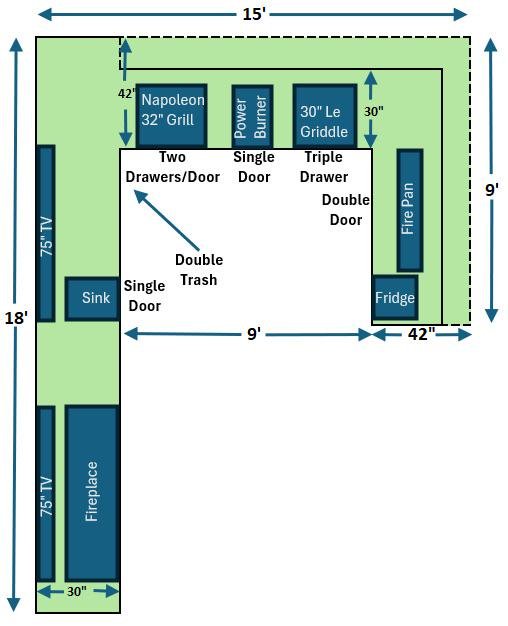
Planning your outdoor kitchen layout can transform your backyard into the ultimate gathering spot. Imagine cooking and entertaining with ease, all while enjoying fresh air and sunshine.
But where do you start? Getting your layout right is key to making your outdoor kitchen both functional and inviting. In this guide, you’ll discover simple steps to design a space that fits your needs perfectly. Keep reading to create an outdoor kitchen that makes every meal a memorable experience.
Choosing The Right Location
Choosing the right location for your outdoor kitchen sets the foundation for a great space. It influences how you cook, entertain, and enjoy the outdoors. A well-placed kitchen improves comfort and convenience. Consider factors like sun, wind, and proximity to your home.
Assess Sunlight And Shade
Find a spot with balanced sunlight and shade. Too much sun can make cooking uncomfortable. Too much shade might limit warmth on cooler days. Choose a location that offers natural light without overheating the area.
Consider Wind Direction
Locate your kitchen where wind won’t blow smoke or heat toward your seating area. Wind can affect cooking flames and comfort. A sheltered spot behind a wall or hedge often works well.
Ensure Easy Access To The House
Place the kitchen near a door or patio for quick trips inside. Easy access helps with food preparation and cleanup. It also keeps you connected to indoor spaces and guests.
Check Available Space And Layout
Look for a flat, open area large enough for cooking and dining. Allow room for appliances, counters, and movement. The layout should flow naturally and feel spacious.
Plan For Utilities
Choose a location close to water, electricity, and gas lines. This reduces installation costs and effort. Verify how utilities will connect safely and conveniently.
Think About Privacy
Select a spot that offers privacy from neighbors and street views. Plants, fences, or walls can create a cozy, secluded atmosphere. Privacy enhances relaxation and enjoyment.
Determining The Kitchen Zones
Determining the kitchen zones is a crucial step in planning your outdoor kitchen layout. It helps create a smooth flow and keeps everything within easy reach. Dividing your space into clear zones ensures you spend less time moving around and more time enjoying your cooking and company.
Cooking Area
Your cooking area is the heart of the outdoor kitchen. This zone should include the grill, stove, or smoker, placed in a spot with proper ventilation and away from high-traffic paths.
Think about the type of cooking you do most. Do you grill often, or do you prefer a wood-fired pizza oven? Position these appliances so you can cook comfortably without reaching over hot surfaces or bending awkwardly.
Preparation Space
Preparation space is where you get everything ready before cooking. Make sure you have a wide, flat surface near the cooking area to chop, season, and assemble your dishes.
Adding a sink here can make washing vegetables and hands easier. Have you considered how much prep space you’ll need for your typical meals? Plan accordingly to avoid clutter and keep everything organized.
Dining And Socializing
This zone is where your guests gather to eat and chat. Place a dining table or bar seating close enough to the cooking zone so you can interact while serving food.
Comfort is key—think about shade, lighting, and easy access to the kitchen. How often do you entertain outdoors? Designing this space to encourage social interaction can turn your kitchen into the party’s centerpiece.
Storage Solutions
Storage is often overlooked but essential for keeping your outdoor kitchen tidy. Include cabinets and drawers for utensils, plates, and grilling tools.
Weatherproof storage protects your items from the elements. Have you mapped out where to keep spices, oils, or cleaning supplies? Proper storage keeps your kitchen efficient and ready for any cookout.
Selecting Appliances And Fixtures
Choosing the right appliances and fixtures sets the foundation for your outdoor kitchen’s functionality and enjoyment. Every element should match your cooking style and the space you have. Think about what you’ll use most and how each piece will fit into your daily routine.
Grills And Smokers
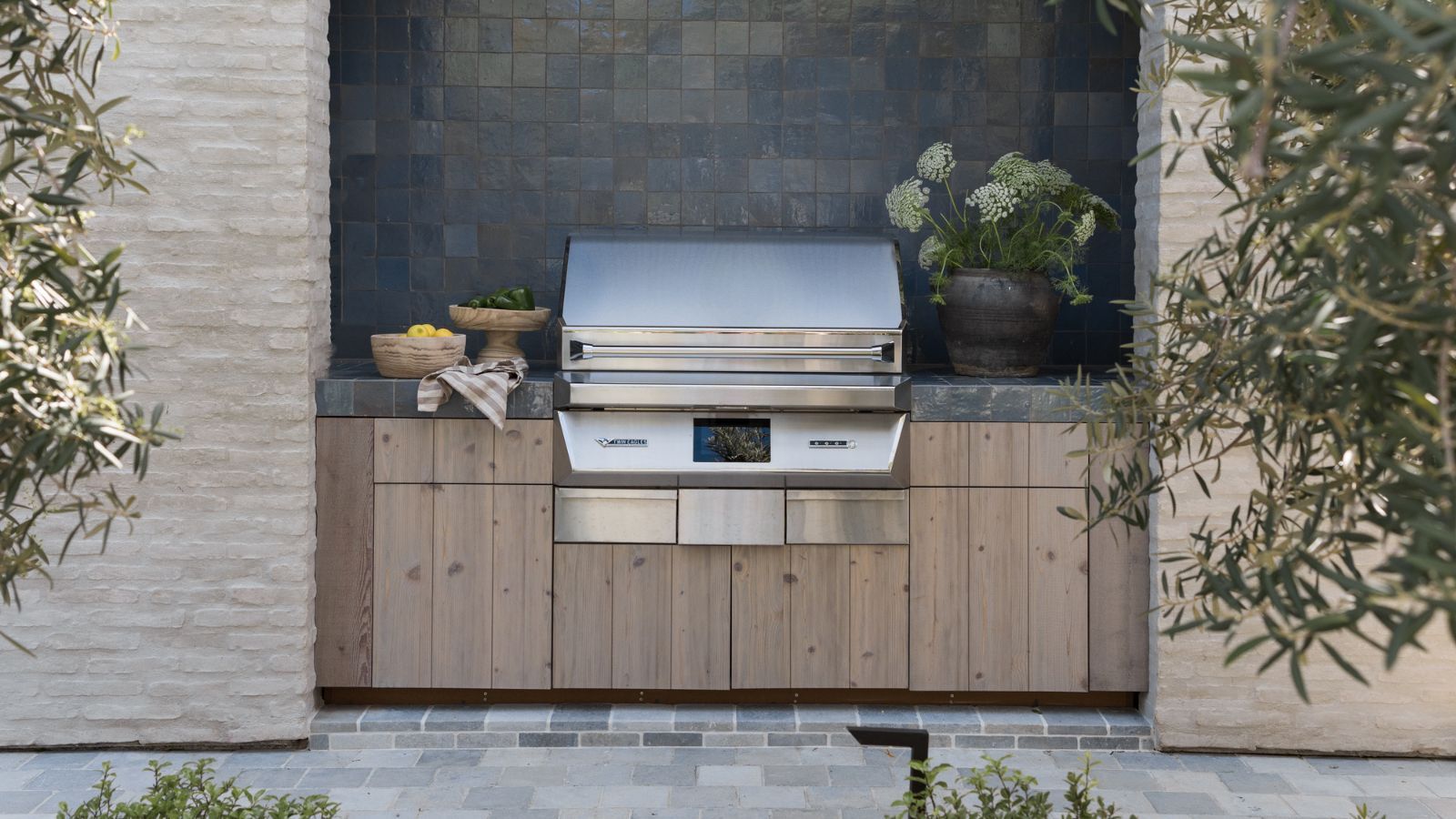
Your grill or smoker is the heart of the outdoor kitchen. Decide if you prefer gas, charcoal, or pellet grills—each offers a different flavor and convenience level. If you love slow-cooked, smoky flavors, a smoker can be a game changer.
Consider size and features too. Do you need multiple burners for cooking different dishes at once? Would a built-in grill save space and look cleaner? I once upgraded to a combo grill and smoker; it expanded my cooking options and impressed guests every time.
Refrigeration Options
Keeping food and drinks cold outdoors is a must, but how you do it depends on your space and budget. Compact refrigerators fit under counters and keep essentials close. For larger gatherings, a full-sized outdoor fridge or freezer might be necessary.
Look for models designed to handle outdoor conditions—humidity and temperature swings can shorten the life of indoor appliances outside. Are you planning to store fresh ingredients or mostly beverages? Your choice should reflect how you use the kitchen.
Sinks And Plumbing
A sink adds convenience and improves hygiene by giving you easy access to water. Decide between a simple hand-washing station or a full utility sink for washing produce and utensils. Plumbing can be straightforward or complex depending on where your water lines are.
Think about drainage and water supply before installing. If connecting to your home’s water system isn’t an option, consider a self-contained sink with a water tank. I found having a sink nearby saves time and keeps the area cleaner, especially during busy cookouts.
Credit: www.homesandgardens.com
Choosing Materials And Finishes
Choosing the right materials and finishes for your outdoor kitchen layout is crucial for durability and style. These elements need to withstand weather changes while complementing your overall design. Your choices here will affect maintenance, comfort, and how often you want to update your space.
Countertops
Countertops take a lot of wear and tear, so pick materials that resist heat, stains, and scratches. Granite and concrete are popular for their toughness and natural look. Consider quartz for a low-maintenance option that stays beautiful without sealing.
Think about how much cooking you’ll do. If you love grilling and prepping fresh meals, a smooth surface like granite can make cleanup quick. Would you prefer a countertop that ages with character, or one that looks new for years?
Flooring
Flooring needs to be slip-resistant and easy to clean. Porcelain tiles offer style and durability, standing up well to rain and sun. Another solid choice is natural stone, which adds texture but may require sealing to prevent stains.
Comfort underfoot matters too. Would you rather have something cool like tile or warmer materials like wood-look composite decking? Your choice affects not only the look but also how safe and comfortable your outdoor kitchen feels.
Cabinetry
Outdoor cabinets must resist moisture and pests. Stainless steel is a favorite for its durability and sleek appearance. If you prefer wood, pick types like teak or cedar, which naturally fend off weather damage.
Storage keeps your space organized, so think about how many cabinets you need and their placement. Do you want them fully enclosed or open shelving for quick access? Your cabinet choice shapes both function and style in your outdoor kitchen.
Maximizing Comfort And Functionality
Maximizing comfort and functionality is key to designing an outdoor kitchen that feels inviting and works well. Comfort ensures everyone enjoys the space, while functionality keeps cooking and dining smooth. Thoughtful planning creates a balance between style and practicality.
Weather Protection
Shielding your outdoor kitchen from weather is essential. A sturdy roof or pergola blocks rain and harsh sun. Use weather-resistant materials for counters and cabinets to prevent damage. Consider retractable awnings for flexible shade. Wind screens can also improve comfort by reducing drafts and smoke.
Lighting Solutions
Good lighting extends your outdoor kitchen’s use into the evening. Combine task lighting with ambient light for a balanced setup. Install bright lights near cooking and prep areas. Soft lights around dining spaces create a cozy mood. Solar-powered or LED lights save energy and last longer.
Seating Arrangements
Seating should match the kitchen’s style and space. Use a mix of chairs and benches for variety. Keep seating close to the cooking area for easy serving. Add cushions for extra comfort. Ensure enough space for movement around tables and seats. Group seating encourages socializing and relaxing.

Credit: bbqhawks.com
Incorporating Landscaping Elements
Adding landscaping elements to your outdoor kitchen layout transforms the space from just a cooking area into a full outdoor experience. Thoughtful greenery, soothing water features, and smart pathways can make your outdoor kitchen inviting and functional. These elements help define zones, improve flow, and create a natural backdrop that enhances your gatherings.
Greenery And Plantings
Greenery softens hard surfaces and adds life to your outdoor kitchen. Choose plants that thrive in your climate and require minimal maintenance. Herbs like rosemary or basil not only look good but are handy for cooking right at your fingertips.
Consider using potted plants or raised garden beds to keep the area organized and avoid overgrowth. Think about adding vertical gardens or trellises with climbing vines to add height without using too much space. Have you thought about how different textures and colors of plants can influence your mood while cooking or dining outdoors?
Water Features
Water features bring a calming sound and a cool feel to your outdoor kitchen. A small fountain or a wall-mounted water cascade can drown out neighborhood noise and create a peaceful atmosphere. Make sure the feature is placed where it won’t splash onto your cooking surfaces or make the ground slippery.
Integrate water features with seating or dining areas to enhance relaxation. You could even add a small pond with fish if space allows, but keep maintenance in mind. Would a gentle trickle or a bubbling sound help you unwind after a busy day of cooking?
Pathways And Access
Clear, well-planned pathways ensure easy movement between your kitchen, dining, and lounging areas. Use durable materials like stone, brick, or pavers that match your overall design and can withstand foot traffic. Avoid complex patterns that might confuse guests or create tripping hazards.
Think about the flow from your indoor kitchen to the outdoor space—how will you carry food or drinks? Adding lighting along pathways improves safety and sets a welcoming tone at night. What’s the easiest and safest route for you and your guests to move around during a lively barbecue?
Ensuring Safety And Accessibility
Planning your outdoor kitchen layout means thinking beyond just the look and functionality. Safety and accessibility are key to making your space comfortable and secure for everyone. You want a kitchen where you feel confident cooking, moving around, and hosting without worrying about hazards or obstacles.
Fire Safety Precautions
Fire safety should be your top priority, especially if you’re using grills, smokers, or open flames. Keep a clear space of at least 3 feet around any heat source to prevent accidental fires. Never place flammable materials, like towels or paper, near your cooking areas.
Install a fire extinguisher within easy reach—preferably a Class B or multipurpose extinguisher designed for grease and gas fires. Check that your gas connections and hoses are secure and free from leaks before each use. Don’t forget to have proper ventilation to avoid smoke build-up; a well-ventilated area reduces fire risks and keeps your air fresh.
Accessibility Considerations
Think about who will use your outdoor kitchen and how they’ll move around it. Make sure pathways are wide enough—at least 36 inches—to allow easy movement, especially if someone uses a wheelchair or walker. Arrange your appliances and workspaces so everything you need is within comfortable reach.
Consider the height of countertops and seating. Adjustable or varied heights can make your kitchen welcoming for everyone, including kids and people with disabilities. Lighting plays a big role too—install bright, even lighting to avoid shadows and help you see clearly during night gatherings.
Have you tested your layout by walking through it as if you were cooking or serving guests? This simple check can reveal tight spots or awkward placements that might slow you down or cause accidents.
Budgeting And Project Management
Budgeting and project management are the backbone of any successful outdoor kitchen layout. Without a clear budget, costs can spiral quickly, leaving you with unfinished projects or compromises on quality. Managing your project timeline and expenses carefully helps you stay on track and get the kitchen you envision.
Cost Estimations
Start by listing all the elements you want in your outdoor kitchen—grill, countertops, cabinets, lighting, and plumbing. Research prices for these items online and at local stores to get a realistic idea. Don’t forget to include costs for permits, electrical work, and unexpected expenses.
Break down your costs into categories such as materials, labor, and additional features. Use a simple spreadsheet or budgeting app to track these estimates. This approach helps you see where you might need to cut back or where you can splurge.
Hiring Professionals
Deciding whether to hire professionals depends on your skills and the complexity of the project. Professional contractors bring expertise that can prevent costly mistakes and ensure safety, especially with gas lines or electrical wiring.
Ask for multiple quotes and check references before choosing a contractor. A good professional will help you refine your layout, suggest cost-saving alternatives, and manage the timeline efficiently.
Diy Vs. Professional Installations
Consider what you can realistically handle yourself. Simple tasks like painting or installing shelves might be great DIY projects that save money. However, complex tasks like plumbing or gas installation are better left to licensed professionals.
Balancing DIY efforts with professional help can reduce costs while maintaining quality. Ask yourself: what skills do you have, and where could a mistake be costly or dangerous? Your answers will guide your decisions and keep the project manageable.

Credit: www.angi.com
Frequently Asked Questions
What Is The Best Layout For An Outdoor Kitchen?
The best layout depends on your space and needs. Popular options include L-shape, U-shape, and island layouts. They offer efficient workflow and social interaction. Choose a layout that maximizes comfort, accessibility, and cooking convenience.
How Do I Plan Outdoor Kitchen Zones?
Divide your outdoor kitchen into cooking, prep, cleaning, and dining zones. This helps organize activities and improves efficiency. Place appliances and countertops strategically within each zone for smooth movement and easy access.
What Appliances Are Essential In Outdoor Kitchens?
Essential appliances include a grill, sink, refrigerator, and storage cabinets. These create a fully functional cooking area. You may add extras like pizza ovens or smokers based on your cooking preferences and space.
How Much Space Is Needed For An Outdoor Kitchen?
A minimum of 70-100 square feet is ideal for a functional outdoor kitchen. This provides enough room for appliances and prep areas. Ensure sufficient space for comfortable movement and seating.
Conclusion
Planning your outdoor kitchen layout takes thought and care. Think about how you will use the space daily. Keep the design simple and functional. Make sure there is enough room to move around. Choose spots for cooking, eating, and relaxing.
Good lighting and storage matter a lot. Take your time to plan well. This helps create a space everyone will enjoy. Your outdoor kitchen can become a favorite spot for family and friends. Start with a clear plan, and the rest will follow.
