
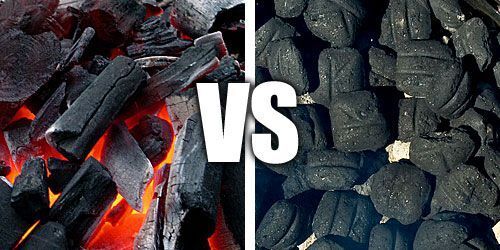
When it comes to grilling, the type of charcoal you choose can make all the difference in your cooking. You might have seen lump charcoal and briquettes at the store and wondered which one is right for you.
Understanding how to use lump charcoal vs briquettes can change the way your food tastes and how easy your grilling experience is. You’ll discover the key differences, the pros and cons of each, and practical tips to get the best results every time you fire up your grill.
Ready to become a charcoal pro and impress your guests? Let’s dive in.

Credit: www.youtube.com
Types Of Charcoal For Grilling
Choosing the right type of charcoal can change your grilling game completely. Each kind offers different heat levels, burn times, and flavor profiles. Understanding these differences helps you pick what suits your cooking style and the food you’re preparing.
Characteristics Of Lump Charcoal
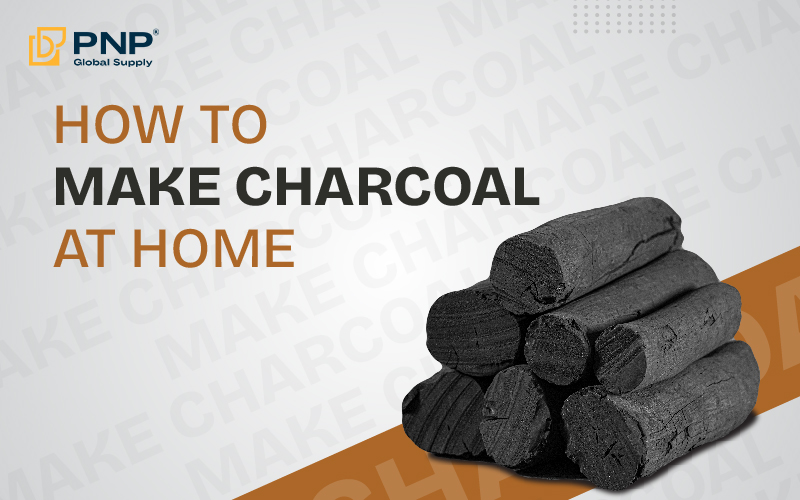
Lump charcoal is made by burning wood chunks in a low-oxygen environment. It lights quickly and reaches high temperatures fast, which is great for searing steaks or quick grilling sessions.
Because it is natural wood, lump charcoal produces less ash and adds a smoky, authentic flavor to your food. However, its irregular shapes can make it harder to control the heat evenly.
Have you ever noticed how lump charcoal gives your grilled veggies a richer, wood-fired taste? That’s because it burns hotter and cleaner, which many grill masters prefer for flavor and speed.
Features Of Briquettes
Briquettes are made from compressed charcoal dust mixed with binders and additives. They burn more steadily and for a longer time, making them ideal for slow cooking or smoking meats.
One downside is that briquettes produce more ash, which means more cleanup after your cookout. Still, their uniform shape allows for better temperature control and consistent heat distribution.
If you want to keep the fire going for hours without constantly adding fuel, briquettes can be a reliable choice. Do you prefer steady heat over quick bursts? Briquettes might fit your grilling routine perfectly.

Credit: wwoous.com
Benefits Of Lump Charcoal
Choosing lump charcoal for your grilling can change how you cook and enjoy your food. It offers several advantages that many barbecue enthusiasts appreciate. Understanding these benefits can help you decide if lump charcoal fits your grilling style.
Natural Composition
Lump charcoal is made by burning wood in the absence of oxygen, leaving behind pure carbon. Unlike briquettes, it contains no fillers, binders, or chemicals. This means you get a cleaner burn and fewer unwanted additives affecting your food’s taste.
Because it’s simply wood turned to charcoal, you can often see the natural shapes and textures in each piece. This natural makeup can make your grilling experience feel more authentic and connected to traditional methods.
Faster Ignition And Higher Heat
Lump charcoal lights quickly, often catching fire within minutes. This saves you time, especially if you’re in a hurry to start cooking. Once lit, it produces a hotter flame than briquettes, reaching temperatures that help sear meats faster and lock in juices.
If you like grilling steaks or thick cuts, the intense heat from lump charcoal can give you a better crust and flavor. Have you noticed how some grills take forever to get hot? Lump charcoal cuts down that waiting time significantly.
Flavor Enhancement
Lump charcoal adds a subtle smoky flavor to your food that briquettes sometimes lack. Since it’s made from natural wood, the smoke carries the aroma of the original timber, enhancing your meat’s taste. This can make a big difference in dishes where flavor depth matters.
Do you prefer a cleaner smoke or a richer, woodsy taste? Lump charcoal allows you to experiment with different wood types, such as oak or hickory, which influence the flavor profile. This flexibility lets you customize your grilling to suit your preference.
Advantages Of Briquettes
Briquettes offer several advantages for grilling and barbecuing. They provide a reliable and user-friendly fuel source. Many cooks prefer them for steady heat and simplicity. Understanding these benefits helps in choosing the right charcoal for your cooking needs.
Consistent Burn
Briquettes burn evenly and maintain a steady temperature. This makes grilling predictable and easier to control. You avoid sudden flare-ups or cold spots on the grill. The uniform size helps in stacking and managing the fire.
Cost-effectiveness
Briquettes are generally less expensive than lump charcoal. They provide more heat per dollar spent. This makes them a budget-friendly choice for frequent grilling. You get longer cooking times without needing to add more fuel.
Ease Of Use
Briquettes light easily and hold their shape well. They produce less ash than lump charcoal, simplifying cleanup. Their uniform size allows for consistent airflow in the grill. This makes starting and maintaining the fire straightforward for beginners and pros alike.
Choosing The Right Charcoal
Choosing the right charcoal is key for great grilling results. Different types of charcoal suit different cooking needs. Lump charcoal and briquettes each have unique traits. Picking the best one depends on how you cook, how long you need to cook, and what flavors you want to create.
Consider Your Cooking Style
Think about how you like to grill. Lump charcoal lights fast and burns hotter. It works well for quick searing and high-heat cooking. Briquettes burn steadily and last longer. They suit slow cooking and smoking. Your cooking style guides your charcoal choice.
Evaluate Time And Temperature Needs
Lump charcoal reaches high temperatures quickly. It cools down faster too. Briquettes hold heat evenly for a longer time. Use lump charcoal for short cooks at high heat. Use briquettes for long cooks with steady heat.
Assess Flavor Preferences
Lump charcoal adds a natural smoky flavor. It comes from pure wood chunks. Briquettes have additives that help burn time. They give a milder, consistent taste. Choose lump charcoal for bold smoke. Pick briquettes for a balanced flavor.
Tips For Grilling With Lump Charcoal
Grilling with lump charcoal offers a unique experience that brings out rich, natural flavors in your food. To get the most from it, you need to handle it a bit differently than briquettes. These tips will help you manage lump charcoal like a pro and enhance your grilling results.
Proper Arrangement And Lighting
Arrange lump charcoal in a loose pile to allow plenty of airflow. Unlike briquettes, lump charcoal lights faster but burns unevenly, so spacing is key. Use a chimney starter for a quick, even light-up without chemical taste.
Once lit, spread the coals evenly for consistent heat. Avoid piling them too close together; lump charcoal can flare up if it’s too dense. Have you ever noticed how the flames dance differently with lump charcoal? That’s the airflow at work.
Maintaining Temperature Control
Lump charcoal can reach high temperatures quickly, so keep a close eye on your grill’s vents. Adjusting the vents controls oxygen flow and helps you manage the heat. Open vents increase temperature; closing them cools things down.
If you want to slow cook, push some coals to the side to create indirect heat zones. Adding small chunks of lump charcoal keeps the temperature steady without sudden spikes. How often do you check your grill’s temperature during cooking?
Ideal Foods For Lump Charcoal
Lump charcoal shines with foods that benefit from high, intense heat. Think thick steaks, burgers, and vegetables that get a nice char quickly. The natural smoky flavor it produces enhances the taste without overpowering it.
However, delicate items like fish or thin cuts may cook too fast or unevenly. Use indirect heat for those to avoid burning. What’s your favorite dish that tastes better over lump charcoal?
Credit: pnpcharcoal.com
Grilling Techniques With Briquettes
Briquettes offer a steady and long-lasting heat source ideal for many grilling styles. Their uniform size helps maintain consistent temperatures. This makes them popular for slow cooking and smoking. Using briquettes requires some specific techniques to get the best flavor and texture from your food. Understanding lighting methods, heat control, and food pairing can improve grilling results.
Effective Lighting Methods
Start by arranging briquettes in a pyramid shape. Use a chimney starter for a cleaner, easier light. This tool helps briquettes catch fire evenly without lighter fluid. Wait until the briquettes turn grayish-white before spreading them out. This signals they are ready for cooking. Avoid pouring lighter fluid directly on the briquettes to prevent chemical taste. For quick grilling, use a small amount of natural fire starter cubes.
Heat Management Strategies
Control heat by adjusting the briquette layout. For high heat, spread briquettes in a single layer. For indirect cooking, push briquettes to one side or create two heat zones. Use the grill vents to regulate airflow and temperature. More airflow means higher heat; less airflow cools the grill. Keep the lid closed to maintain consistent heat and smoke. Use a grill thermometer to monitor temperature accurately.
Best Foods To Cook With Briquettes
- Thick cuts of meat like ribs and brisket benefit from slow, even heat.
- Chicken pieces cook well with indirect heat to avoid burning.
- Vegetables such as peppers and mushrooms develop rich flavors over moderate heat.
- Burgers and sausages grill nicely with direct heat from spread briquettes.
- Fish fillets require gentle heat and a clean grill surface to prevent sticking.
Environmental Considerations
Choosing between lump charcoal and briquettes affects the environment differently. Understanding their impact helps make greener choices. Both types have pros and cons in sustainability and emissions. Let’s explore these factors to use charcoal more responsibly.
Sustainability Of Lump Charcoal
Lump charcoal comes from natural hardwood. It burns cleaner and leaves less ash behind. Many brands use wood from managed forests. This means trees are replanted after harvesting. Sustainable lump charcoal reduces deforestation risk.
Look for certifications like FSC or PEFC. They show the charcoal comes from well-managed forests. Lump charcoal also produces less chemical residue. This makes it a better choice for air quality.
Eco-friendly Briquette Options
Briquettes often contain fillers and binders. These can release more smoke and pollutants when burned. Traditional briquettes usually use coal or petroleum-based additives. These contribute to higher emissions and pollution.
Eco-friendly briquettes use natural binders like starch and no harmful chemicals. Some are made from recycled wood waste or coconut shells. These options reduce landfill waste and lower carbon footprints.
- Check ingredient lists for natural components
- Choose brands that promote sustainability
- Avoid briquettes with added chemicals or fillers
Safety Tips For Charcoal Grilling
Grilling with charcoal is fun but requires careful safety steps. Knowing how to handle and store charcoal keeps accidents away. Fire safety is key to avoid burns and fires. Good airflow helps prevent smoke buildup and keeps the grill working well. Follow these safety tips to enjoy safe charcoal grilling.
Handling And Storage Precautions
- Keep charcoal bags dry and sealed.
- Store charcoal away from heat and flames.
- Use gloves to handle charcoal to protect hands.
- Do not carry charcoal near open flames.
- Dispose of ashes only when fully cool.
Fire Safety Measures
- Light charcoal with approved fire starters only.
- Never use gasoline or flammable liquids.
- Keep a fire extinguisher or water nearby.
- Do not leave the grill unattended during cooking.
- Place the grill on a stable, non-flammable surface.
Ensuring Proper Ventilation
- Grill outdoors or in well-ventilated areas.
- Open grill vents to allow air flow.
- Avoid grilling in enclosed spaces like garages.
- Keep children and pets away from smoky areas.
- Use fans or open windows when grilling near buildings.
Frequently Asked Questions
What Are The Key Differences Between Lump Charcoal And Briquettes?
Lump charcoal is natural wood carbonized with no additives. Briquettes are compressed sawdust with binders and fillers. Lump lights faster and burns hotter. Briquettes burn longer and provide even heat. Choose based on cooking style and heat control needs.
Which Charcoal Type Is Better For Grilling Steak?
Lump charcoal is ideal for steak due to its high heat and quick ignition. It imparts a natural smoky flavor. Briquettes offer steady heat but lack the intense sear that lump charcoal provides for steaks.
Can I Use Lump Charcoal And Briquettes Together?
Yes, combining lump charcoal with briquettes balances heat intensity and duration. Use lump for quick high heat and briquettes for steady, longer burn. This mix offers versatility for different grilling needs in one cookout.
How Does The Burn Time Compare Between Lump Charcoal And Briquettes?
Briquettes generally burn longer, providing consistent heat for extended cooking. Lump charcoal burns hotter but shorter, ideal for quick grilling. Consider cooking time when choosing between the two for your barbecue session.
Conclusion
Choosing between lump charcoal and briquettes depends on your cooking needs. Lump charcoal lights quickly and burns hotter. Briquettes last longer and give steady heat. Both have unique benefits for grilling. Try each to see what fits your style best.
Enjoy tasty meals with the charcoal that suits you. Keep experimenting to find your perfect grill setup. Simple steps lead to great barbecue results every time.
